
Event recap: Workday Elevate & Adaptive Pulse Melbourne
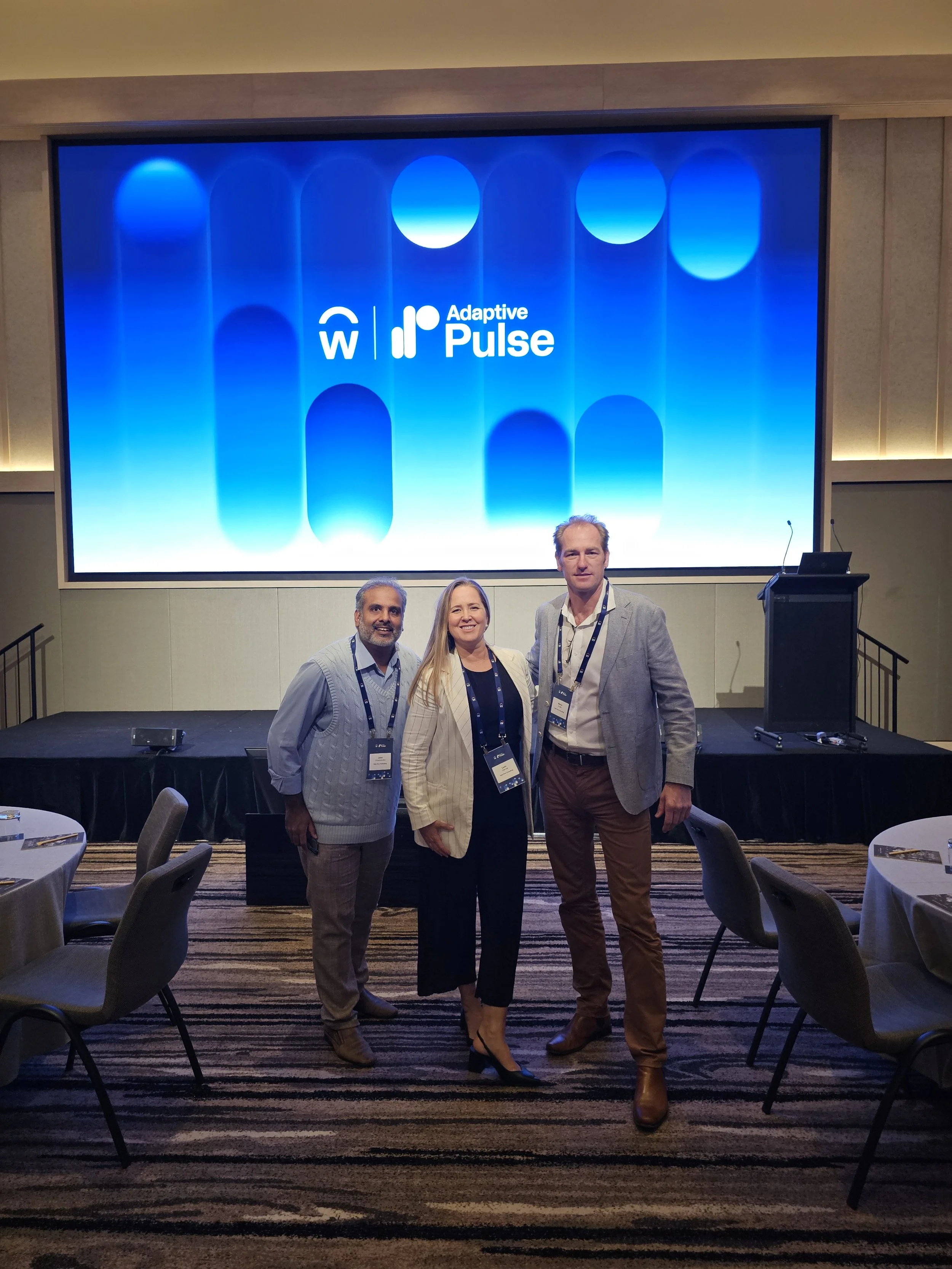
Our team spent time on the ground at two Workday events in the last week of May 2026 in Sydney and in Melbourne - Elevate Australia FP&A Track in Sydney and Workday Adaptive Pulse in Melbourne - where AI-powered planning in Adaptive Planning was launched in a new way for ANZ finance leaders.
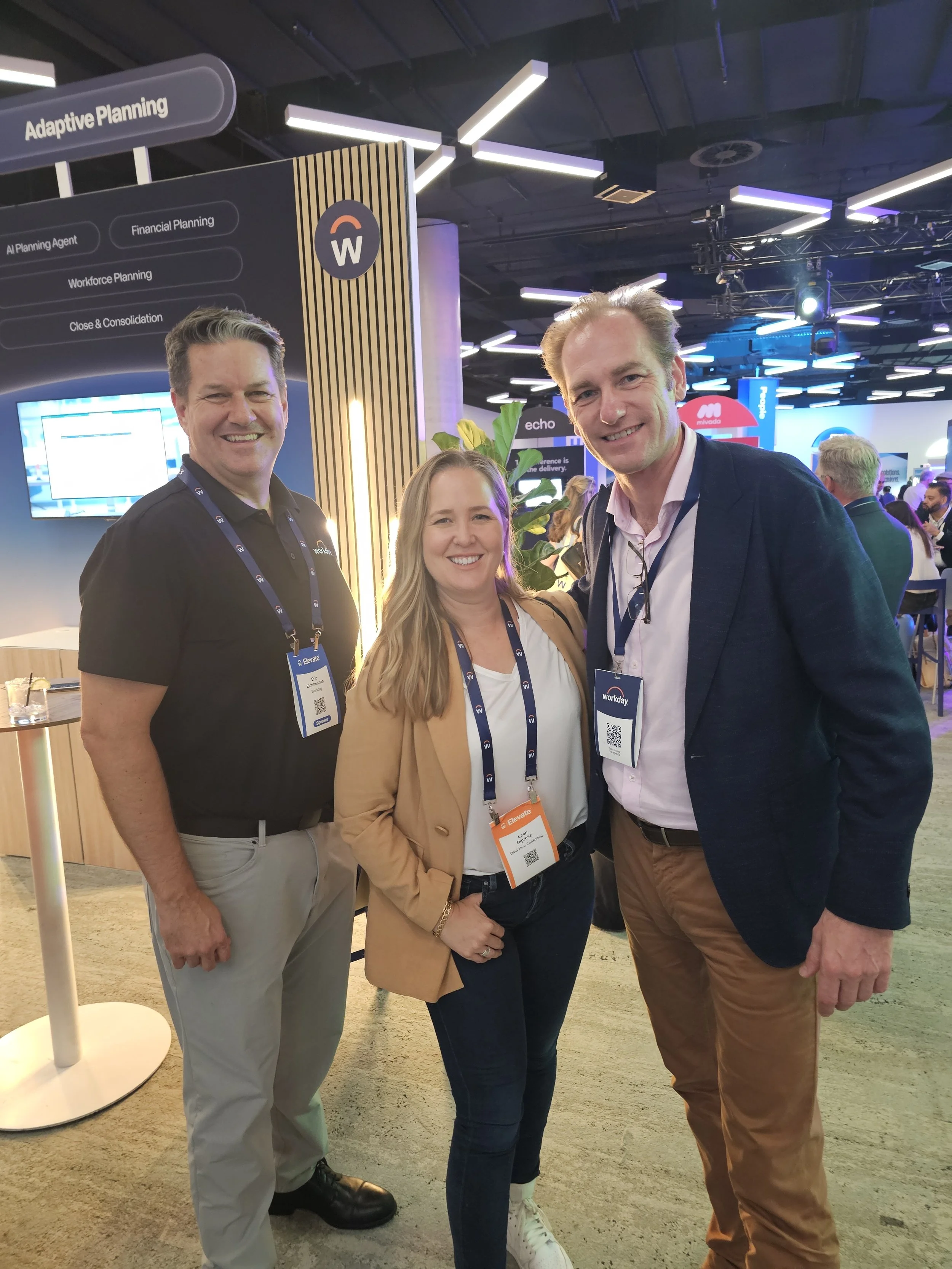
It was a pleasure to connect with existing customers, future customers, and the Workday Adaptive Planning team from the US and AU who were in town for the event.
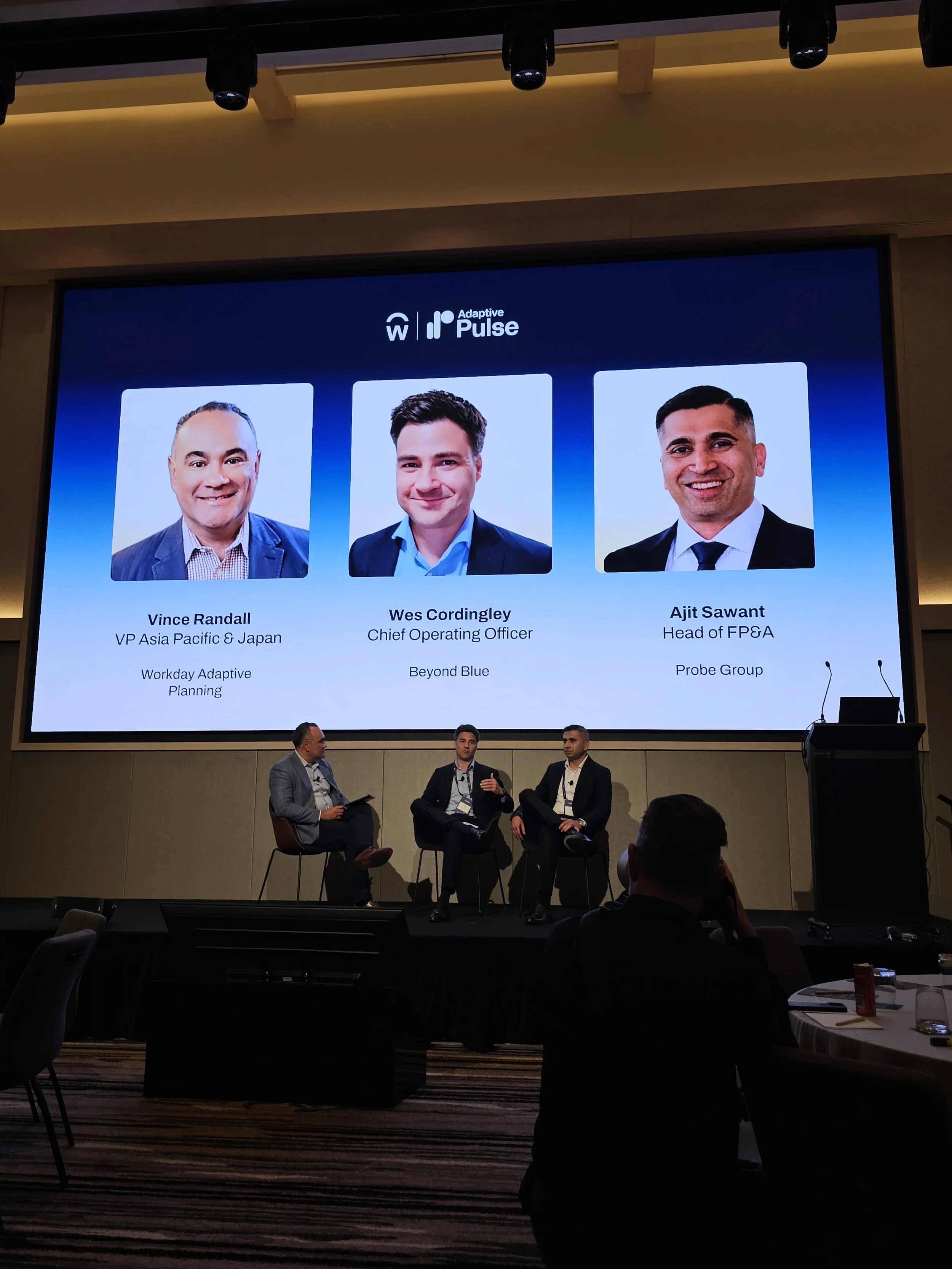
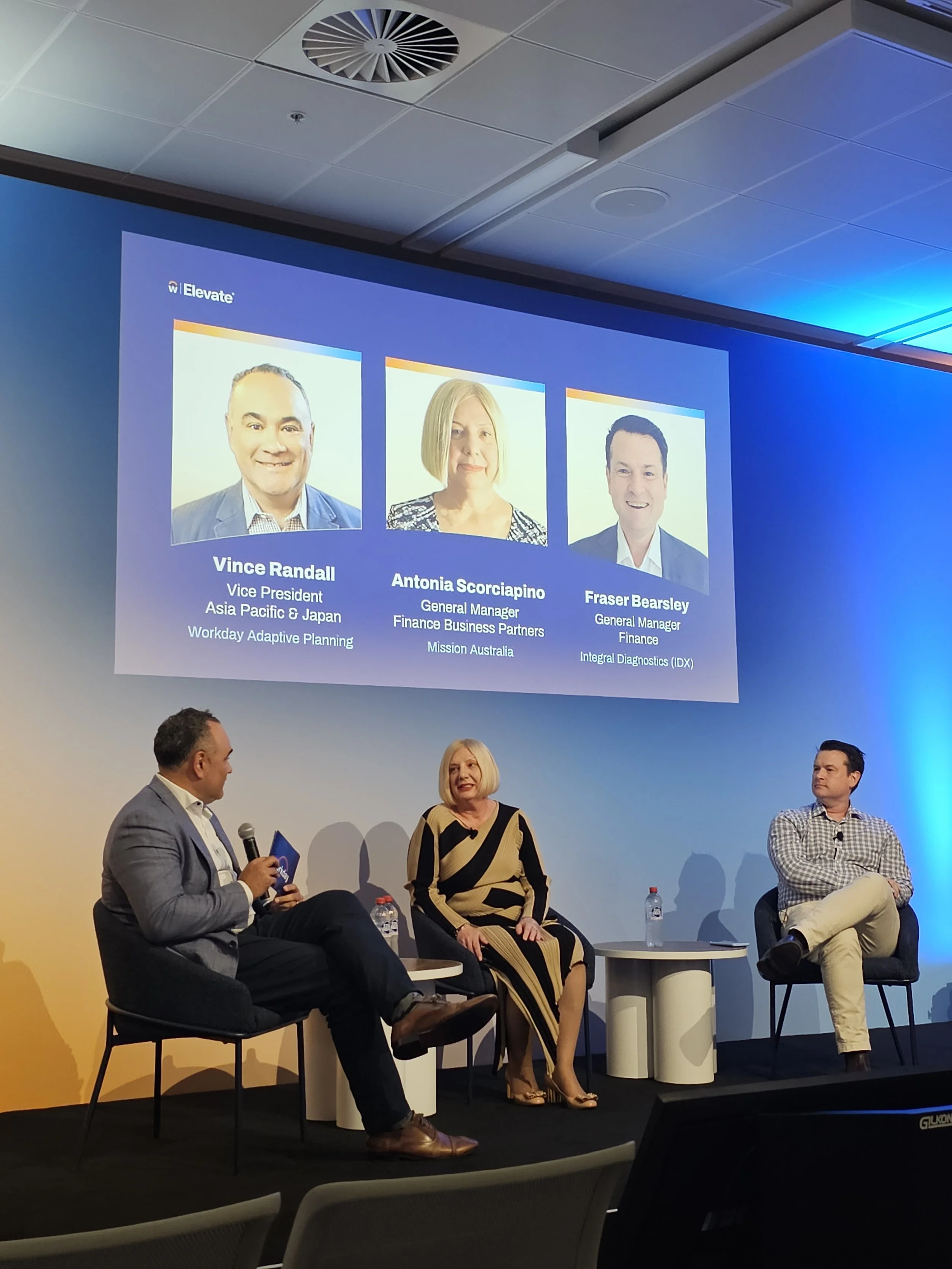
The event was hosted by GM Australia, Workday Adaptive Planning, Vince Randall.
Here's what stood out to us:
The planning iceberg - FP&A demand enterprise-level connected solutions
Adaptive Decision Intelligence and Adaptive Data Foundation launch - coming in August and September 2026
Customer stories
Other updates
Good news - if you missed it you can catch up and watch the FP&A Track intro session on-demand
FP&A track - 58 minutes - Adaptive Planning focus (reporting and planning, Adaptive Decision Intelligence, Adaptive Data Foundations)
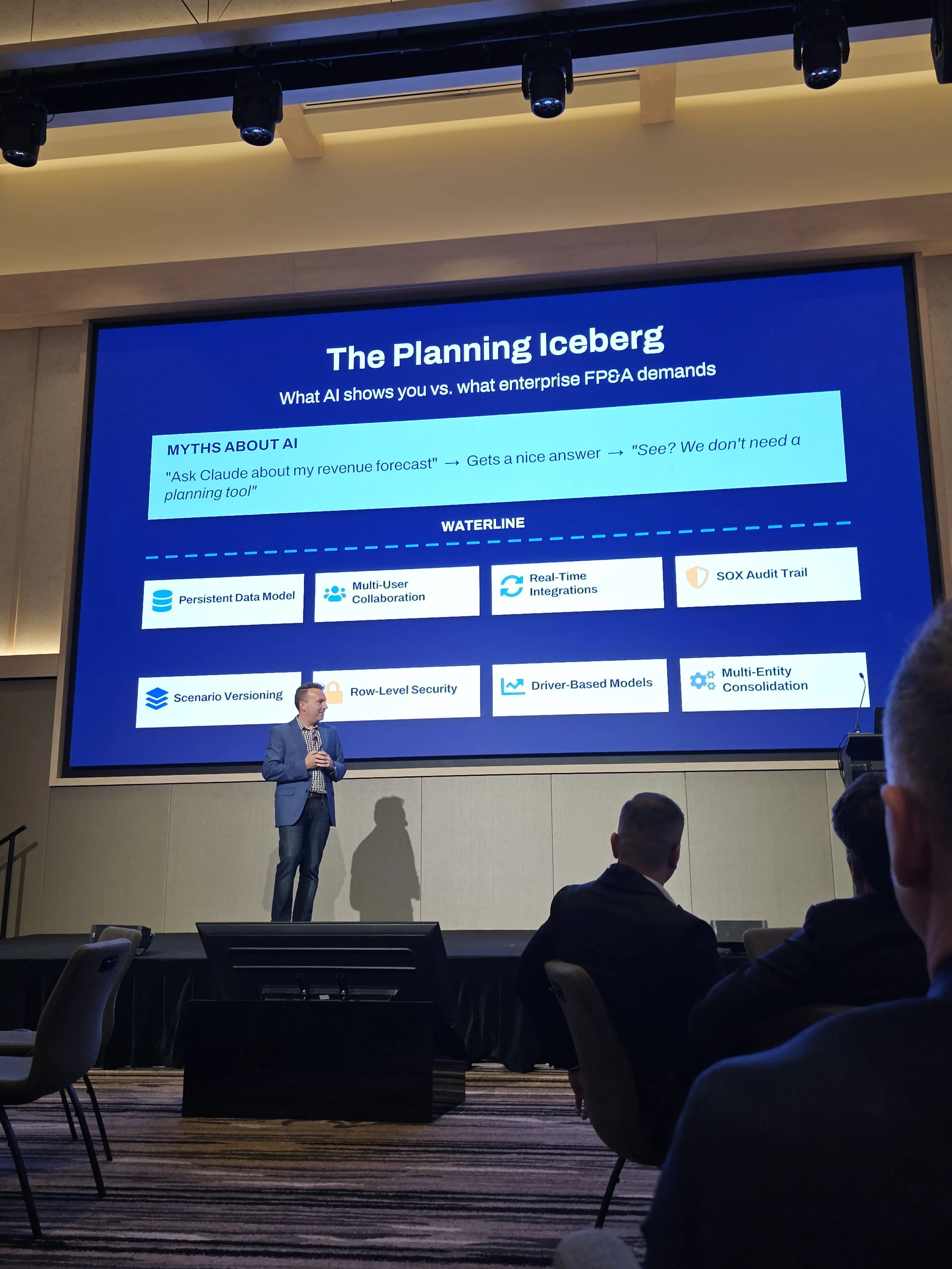
The Planning Iceberg - what disconnected AI gives vs what enterprise FP&A demands
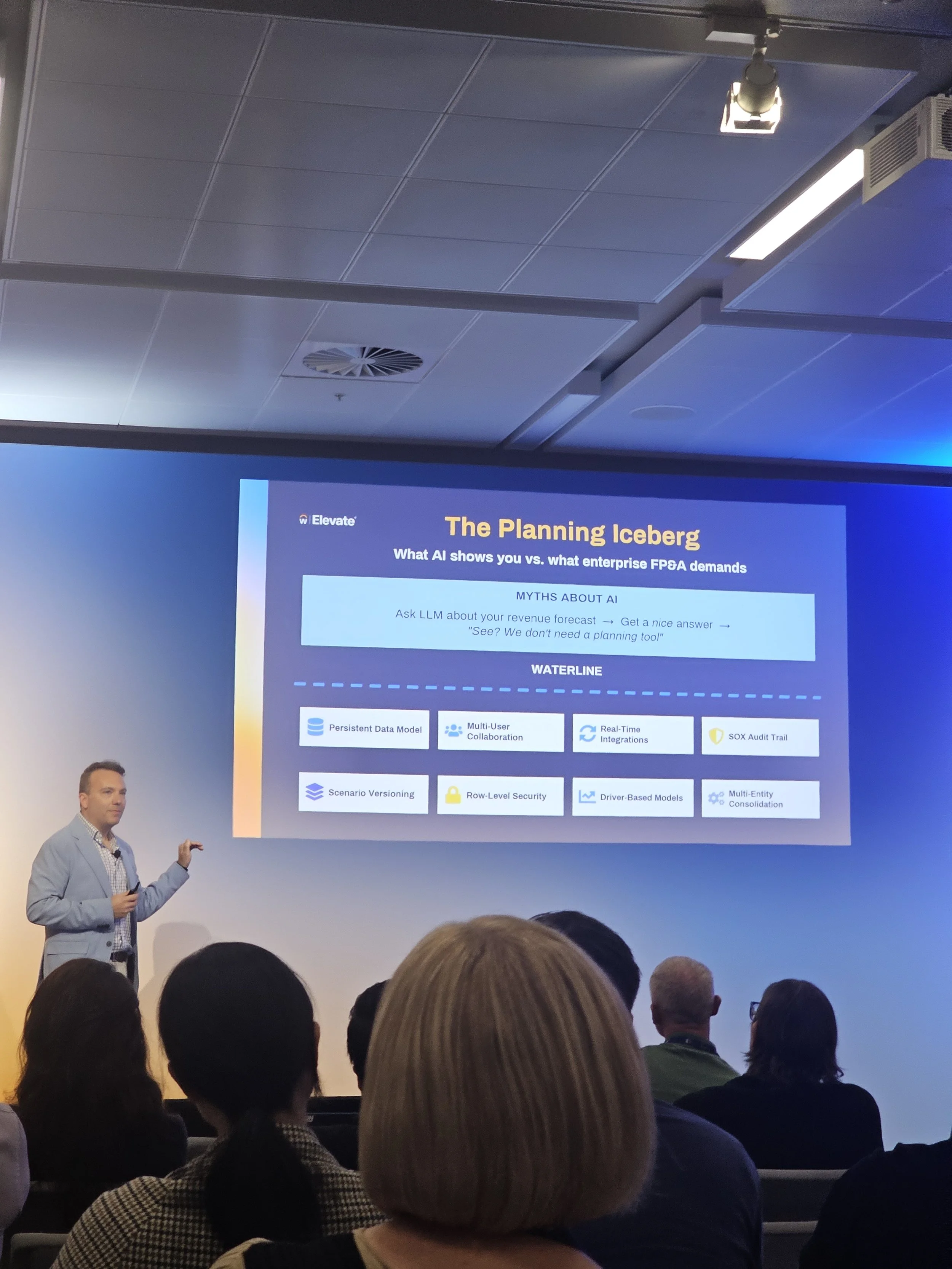
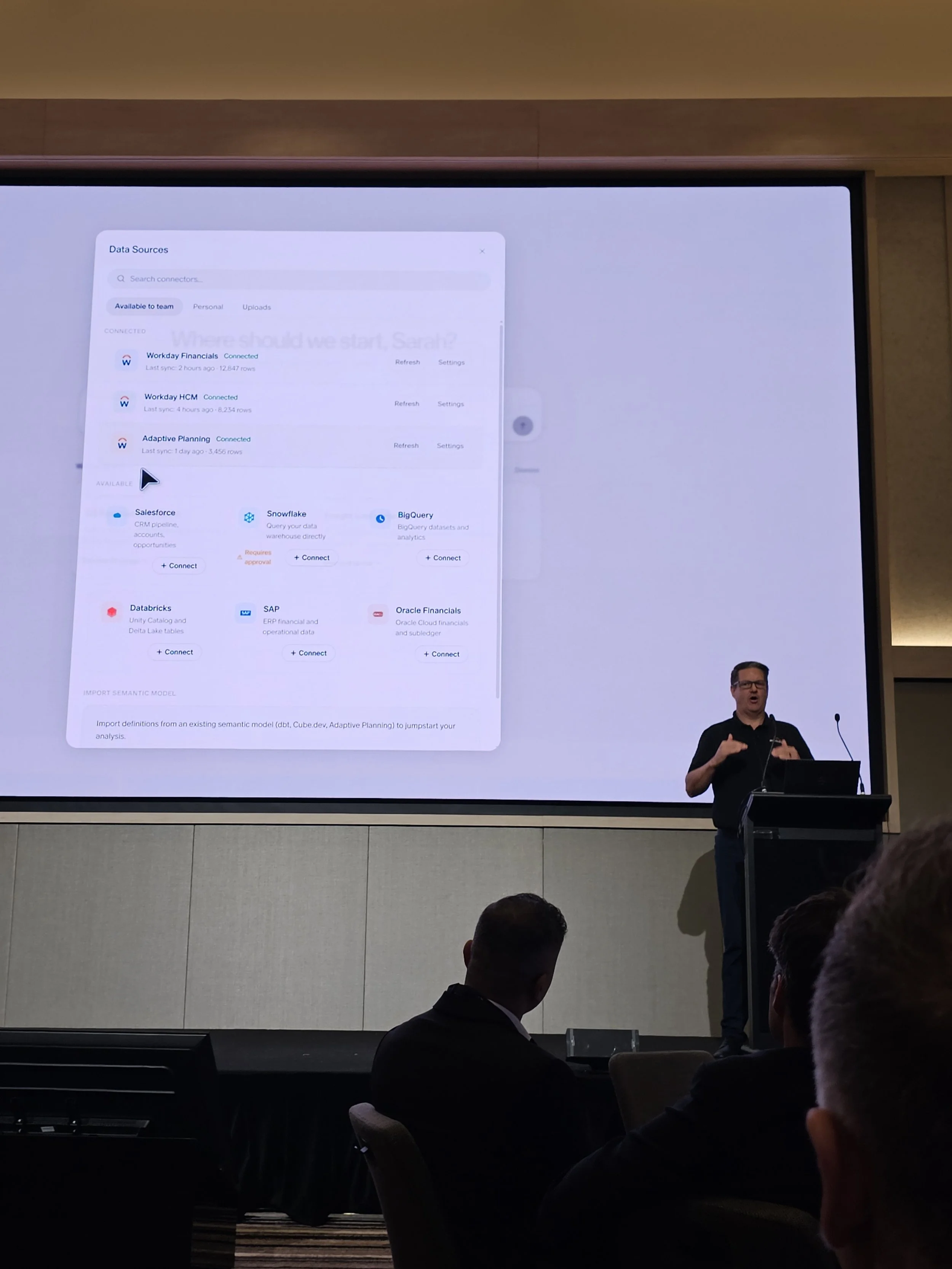
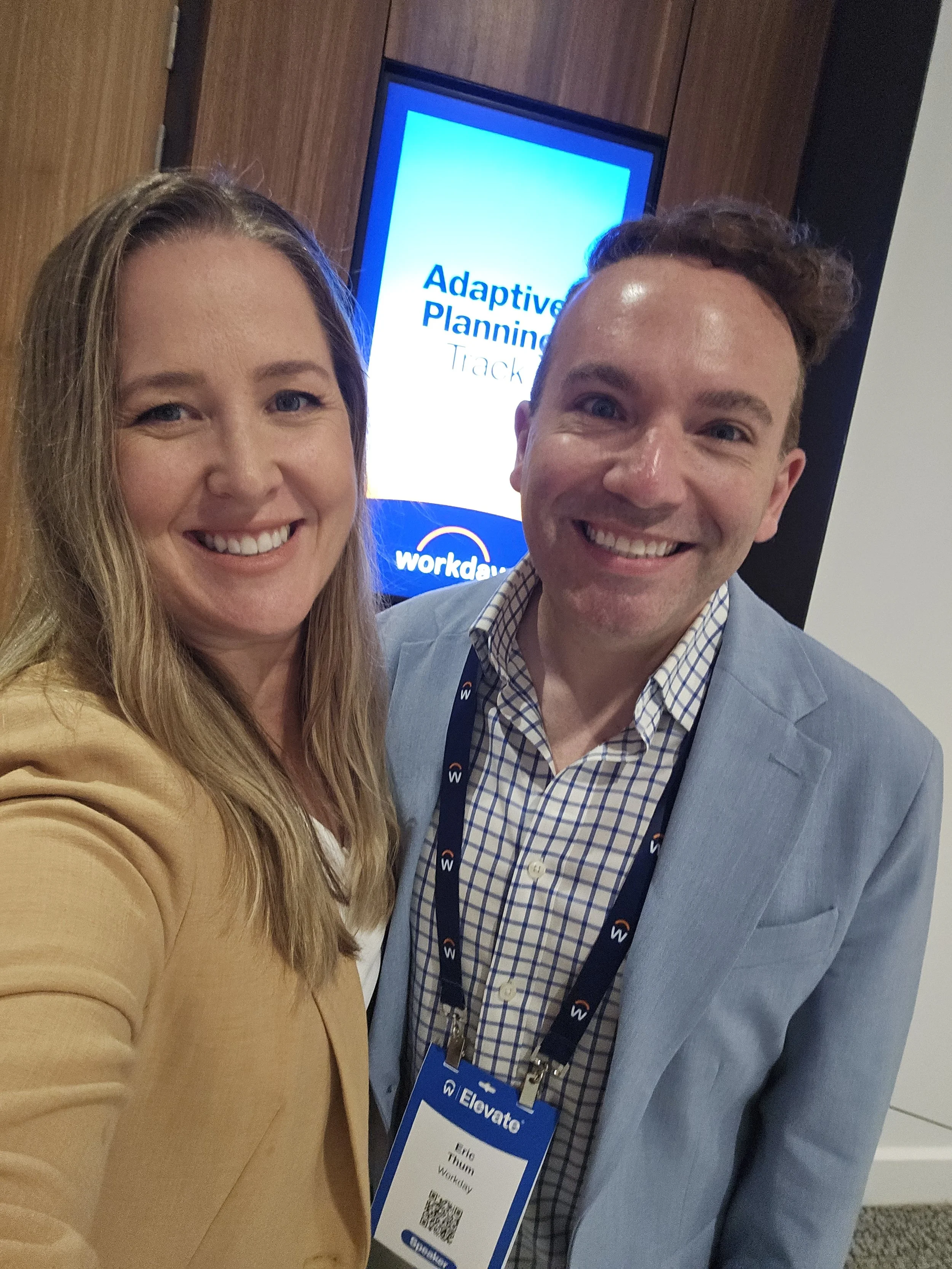
Eric Thum, Workday Adaptive Planning GM of Marketing, presents at Elevate 2026 Sydney
AI is on everyone’s mind at the moment. How can we make use of it in our business, in our finance team? How can it help us accelerate time to insights? The reality is, organisations trialling generic LLMs to assist with FP&A are facing the "The Planning Iceberg" - ask a general-purpose AI chatbot about your revenue forecast, get back a nice-sounding answer, and conclude you don't need a planning tool anymore - that’s simply not the case. The thing is, asking a generic LLM to prepare analysis using proprietary data is risky in a number ways, but importantly it is like asking a well educated stranger to give you insight into your business without the full context and without knowing how they will then go and use that information. That’s why enterprise-grade secure FP&A solutions are required.
The Planning Iceberg framework draws a clear waterline.
Above the line is the kind of answer any AI chatbot can produce today.
Below the line is what you get with Adaptive Planning:
sits persistent data models,
multi-user collaboration,
real-time integrations,
SOX audit trails,
scenario versioning,
row-level security,
driver-based models, and
multi-entity consolidation.
It's a genuinely useful lens for evaluating any AI planning pitch in FP&A - the front end may look and feel good, but how reliable is it and can assurance be provided as to the security of where that data is going? Adaptive Planning does.
Organisations who only look at what is above the line could get stuck hitting an iceberg is the elements below the line are missing.
Adaptive Decision Intelligence and Adaptive Data Foundation - launching to ANZ customers in August and September 2026
The biggest theme running through both events was what's coming next, and two announcements stood out as the clearest sign yet of how Workday plans to close the gap the Planning Iceberg describes.
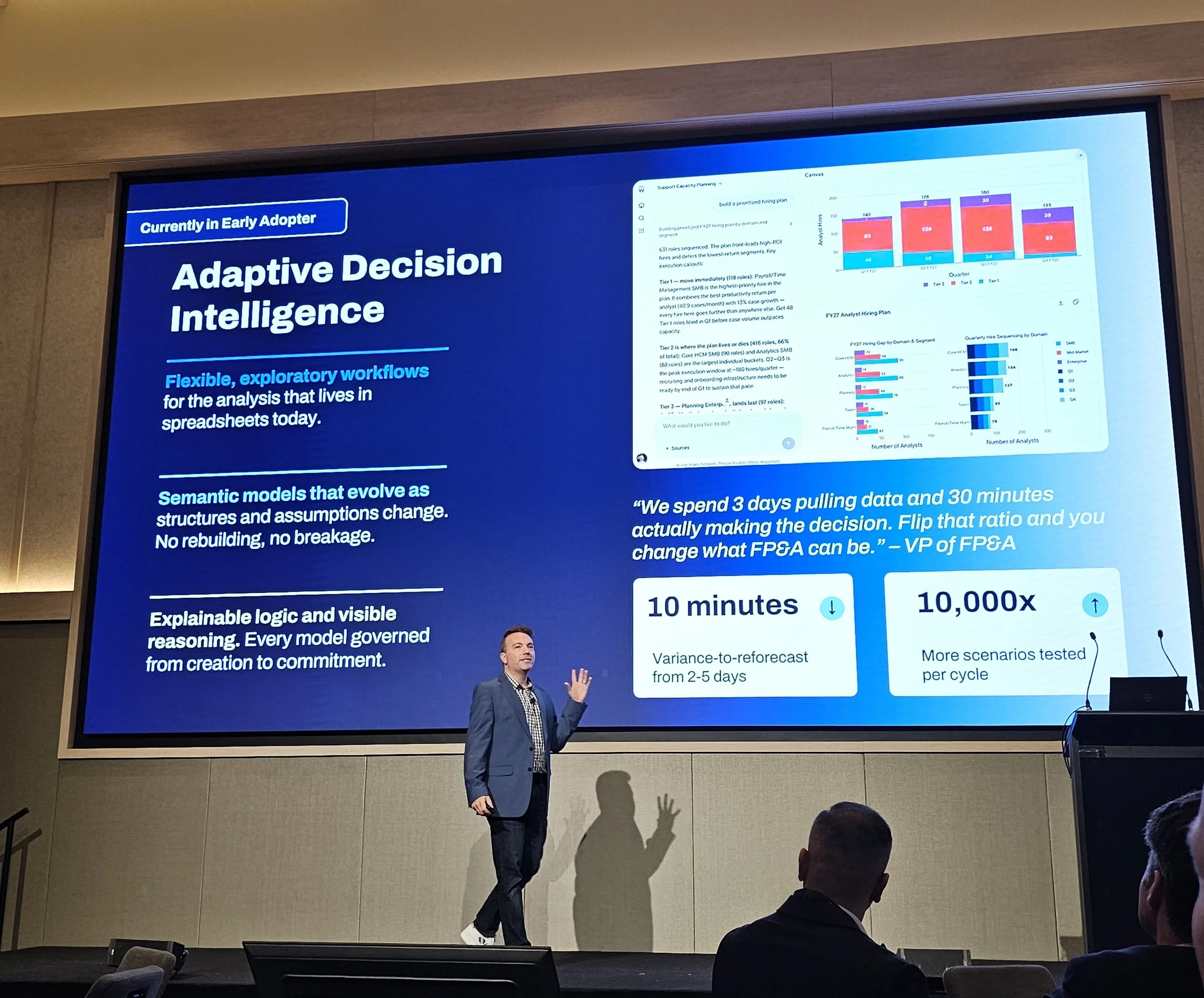
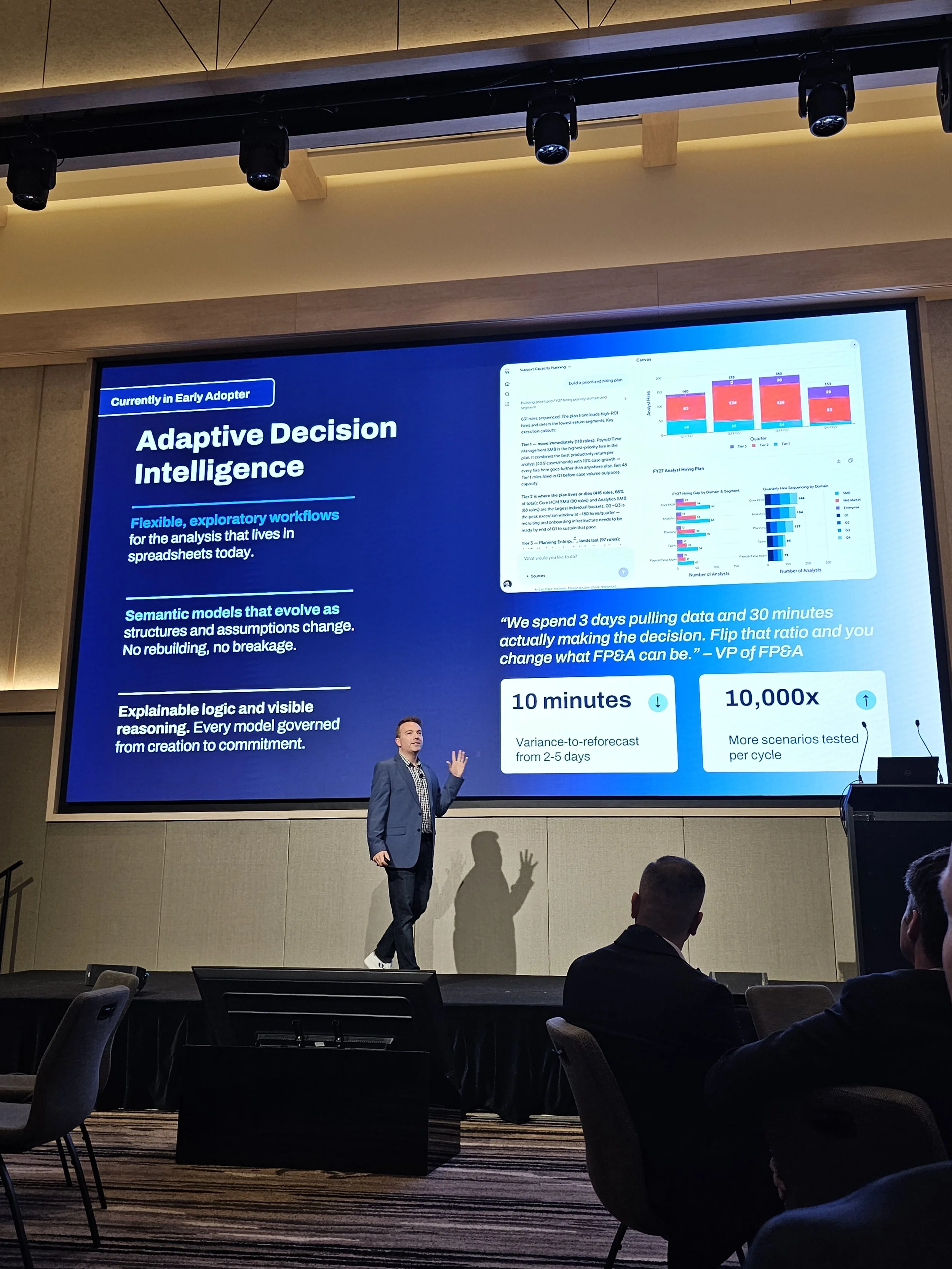
Adaptive Decision Intelligence (ADI)
ADI gives finance and operations teams a single AI-powered experience to ask questions in natural language, pull together data from Adaptive Planning and other enterprise systems (CRM, HR, data warehouses), model scenarios in minutes, and commit approved decisions directly back into the governed plan - under the same security, access rules, and audit trail as everything else in the system.
This release takes direct aim at the part of FP&A that happens outside the governed plan today - the ad hoc, multi-step exploratory analysis that gets done in someone's spreadsheet because the planning model can't answer every question it wasn't built for.
Rather than a chatbot bolted on top, it's the exploratory thinking itself moving into a governed environment. It's slated to move from early adopter access into broader availability in August 2026.
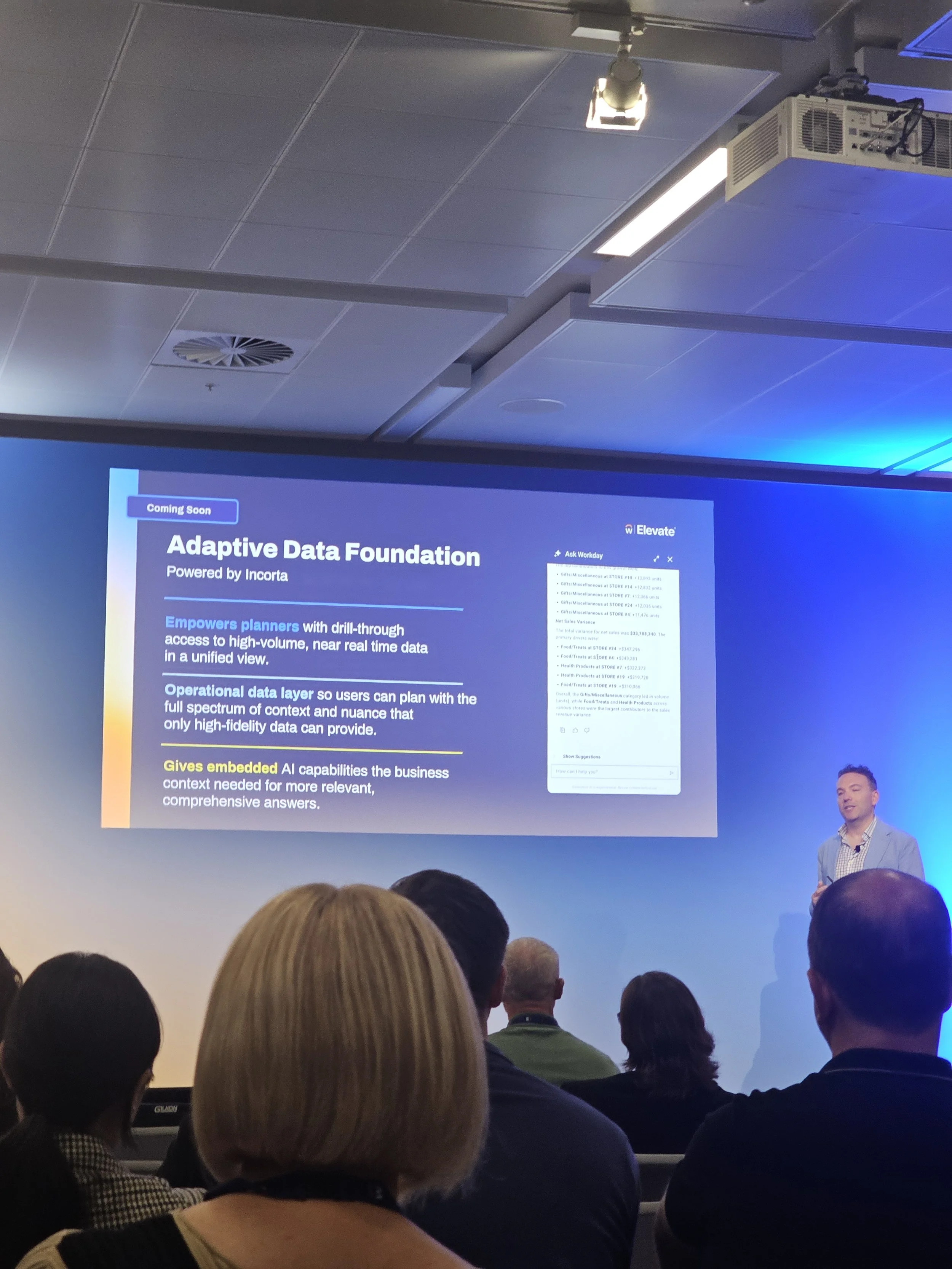
Adaptive Data Foundation (ADF)
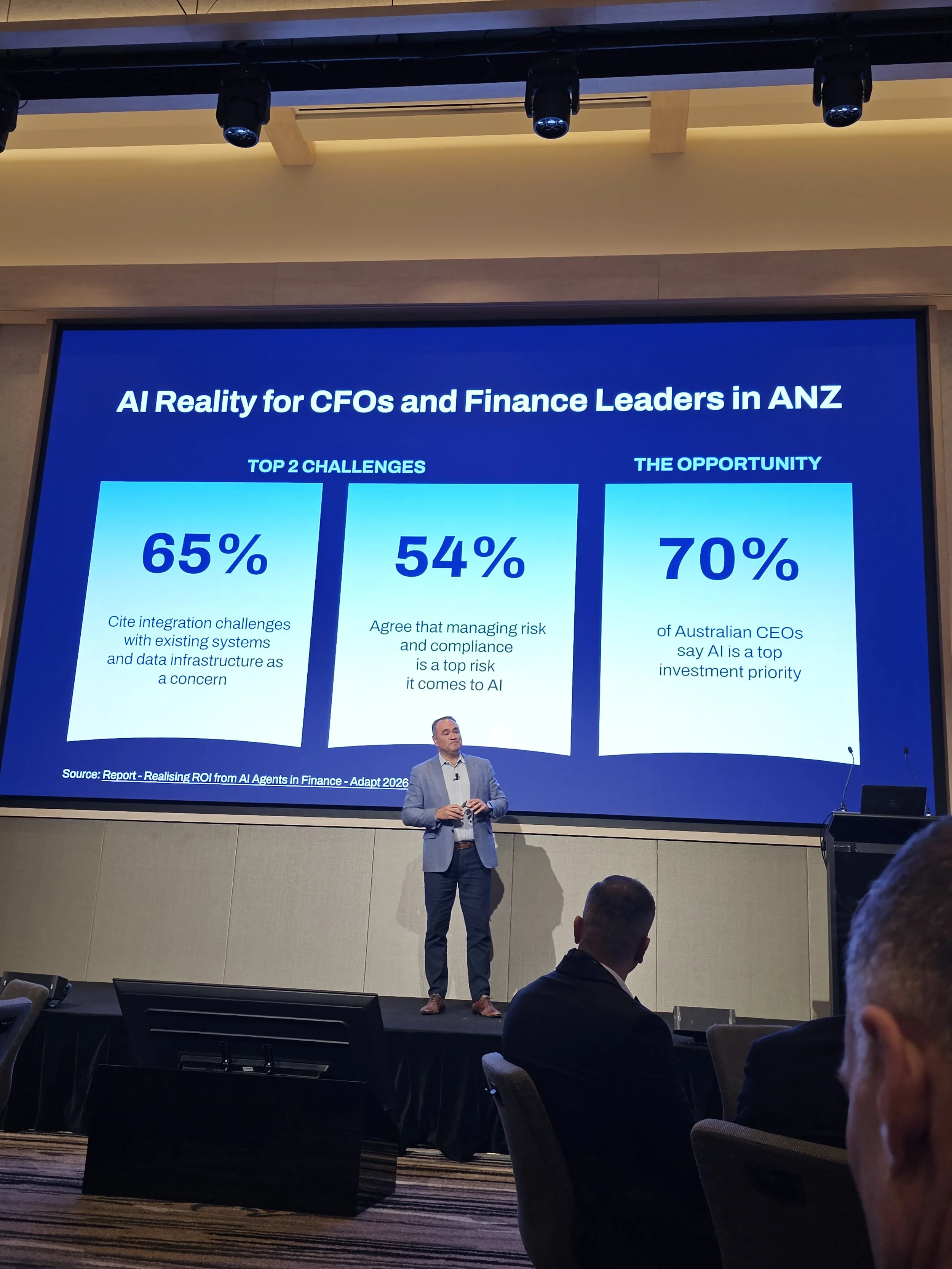
Built in partnership with with Incorta, ADI addresses the data-integration concern that 65% of CFOs and finance leaders have noted in a recent survey as one of their key challenges.
ADF is a finance-owned data layer that connects ERP, CRM, HRIS, and operational planning systems directly into Adaptive Planning, with refreshes as frequent as every five minutes, no dependency on a pre-existing enterprise data strategy, and no need for ongoing IT involvement to keep it running.
It's aimed squarely at the three recurring FP&A data gripes: actuals that land after close, operational plans that never connect to the financial model, and granular detail that's out of reach when analysis needs it - connecting easily to over 3,000+ data sources. It's also the foundation that makes ADI's AI-driven variance analysis and scenario planning trustworthy in the first place: governed, multi-source, current data underneath, rather than a model reasoning over whatever happens to be on hand. ADF is expected to roll out more broadly from September 2026.
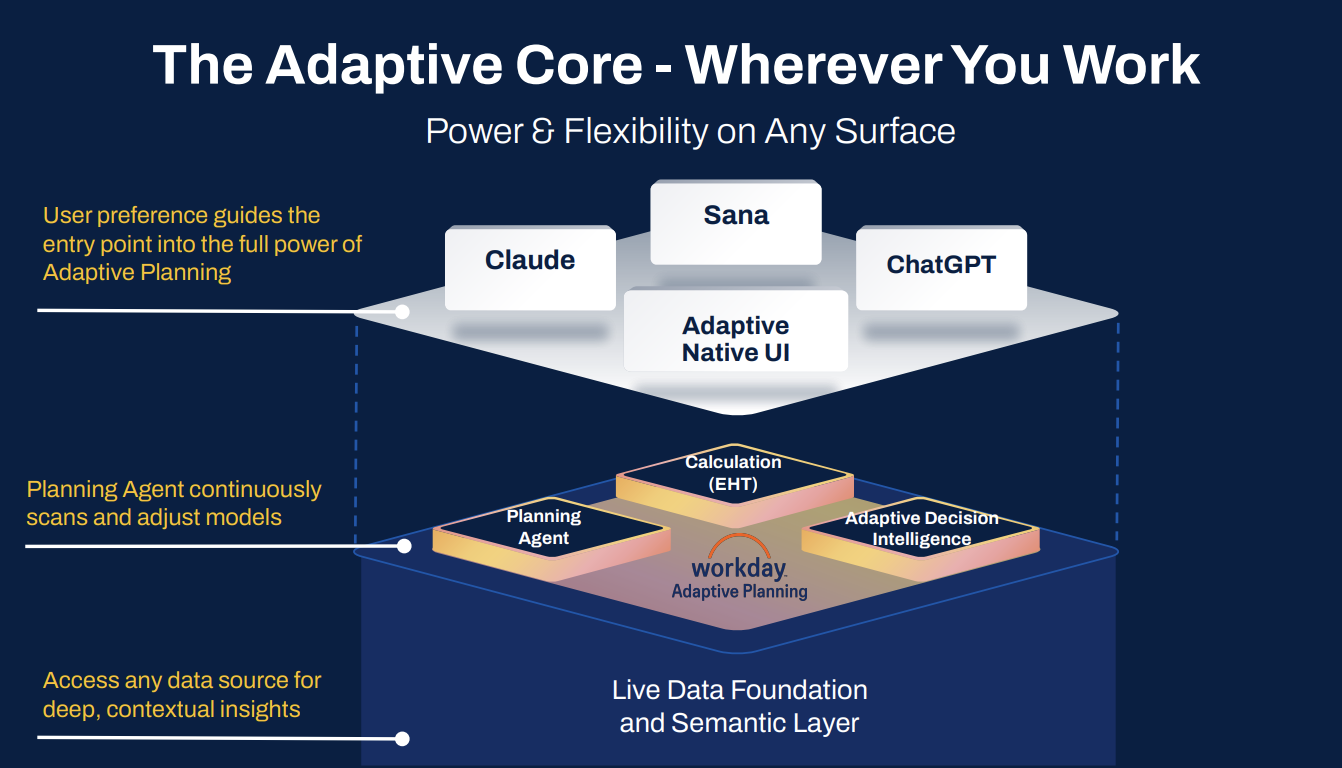
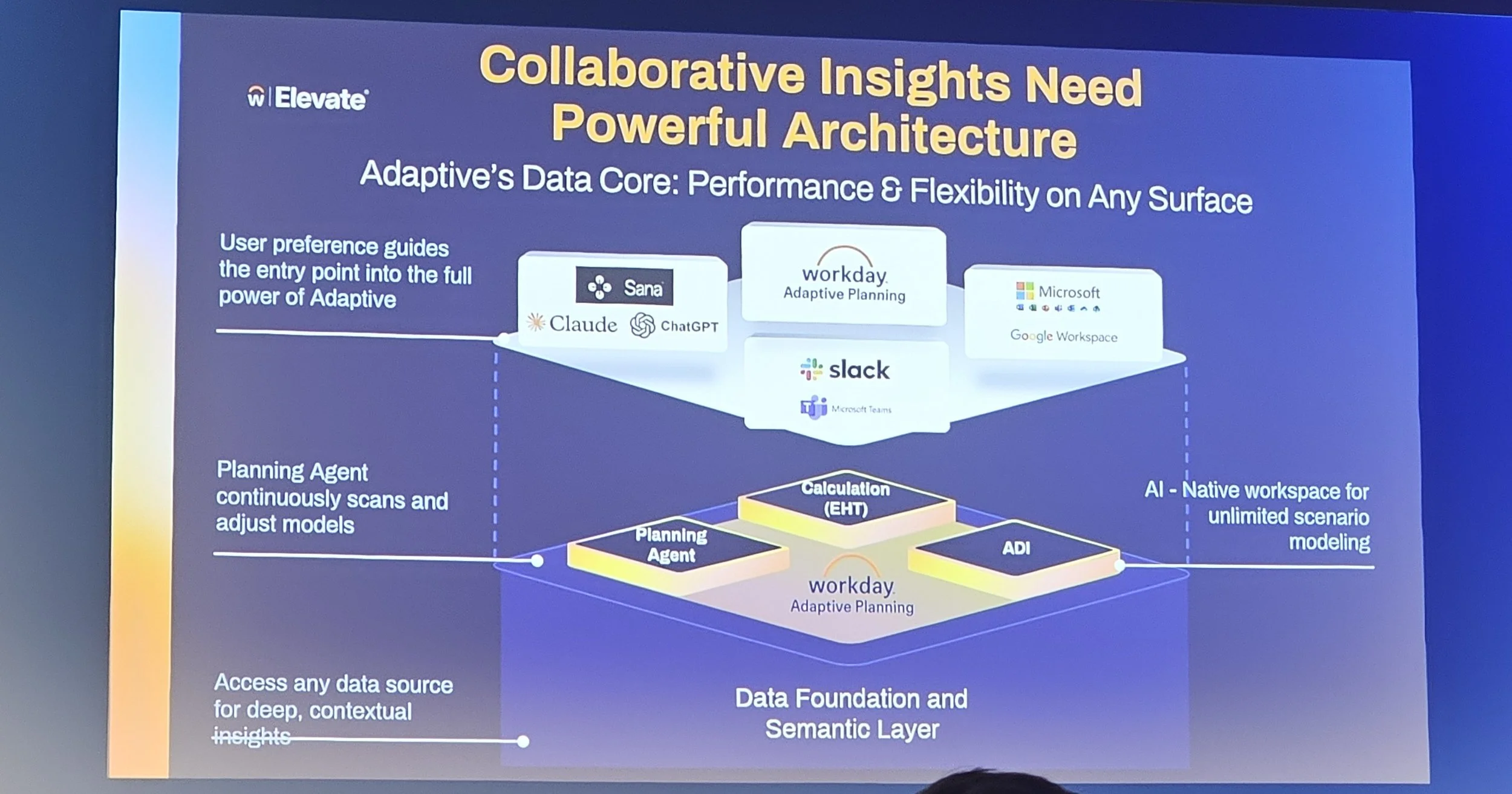
Taken together, ADF and ADI map neatly onto the Planning Iceberg framework: ADF is the infrastructure below the waterline, ADI is the AI experience above it. ADI can work without ADF but is elevated quickly when combined with ADF.
Watch a Youtube video about ADF powered by Incorta here.
You can read more about ADF here in the announcement shared in HR Tech.
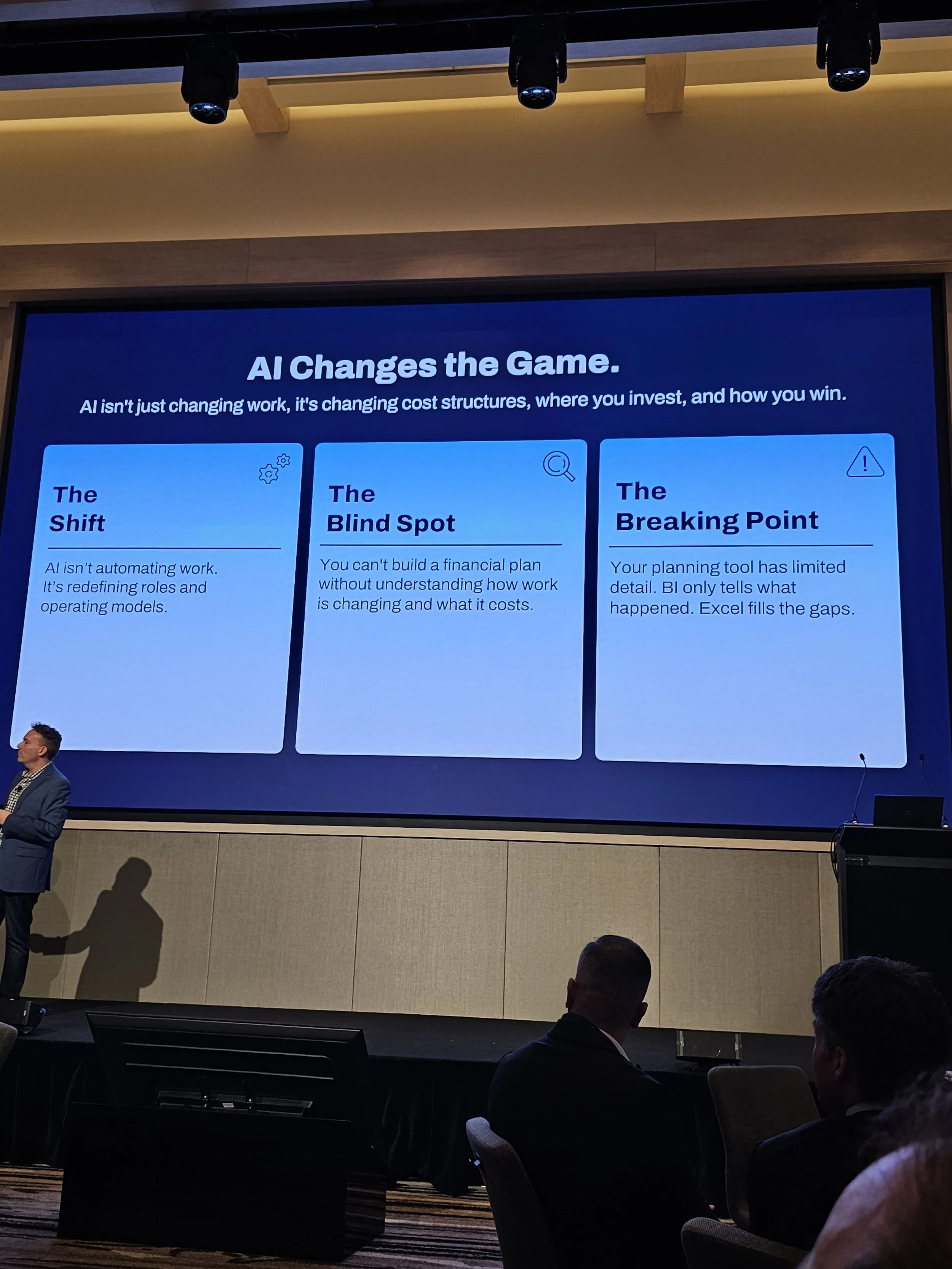
Where are ANZ finance leaders at with AI?
65% of CFOs and finance leaders cite integration challenges with existing systems and data infrastructure as a top concern
54% say managing risk and compliance is a top risk when it comes to AI
70% of Australian CEOs still call AI a top investment priority
That’s a clear gap - ambition from the board and CEO running well ahead of the integration and governance work most finance teams still have to do.
ADI and ADF combined in Adaptive Planning can bridge these gaps.
Adaptive customers in the room
Both events featured a strong lineup of customers speaking to their own Adaptive Planning journeys - some examples and their insights from their Adaptive journeys are below:
“Our initial thought it was that Adaptive was kind of Excel on steroids but it’s much more than that”
-
idX - Elevate Sydney - Fraser Bearsley, GM Finance
Runs Adaptive Planning across 155 sites spanning hospitals in every Australian state plus New Zealand, supporting roughly 3,000 employees (including ~1,000 contractors) across 8 business units.
Integrated planning and reporting for 5 acquired businesses, each of which arrived with its own systems and spreadsheet models - now streamlined into a single platform alongside Workday HCM.
Automated 180–200 P&Ls across sites, regions, and Group level - work that used to be manual and fragmented.
Cut board reporting time from 5 days down to 5 minutes.
Manages 800,000+ assumptions in Adaptive
Data rich enabled - the organisation completes more than 3.5 million scans across 20+ imaging modalities and 20 bill types - with Adaptive they can now see a level of granularity that was previously out of reach without wading through "reams and reams of data."
New scenario modeling is now fast and effortless to set up, rather than a multi-day exercise.
-
Moved from a purely dollar-based budgeting process to driver-based budgeting in Adaptive, planning around occupancy, FTE, headcount, and case load.
Success was measured against three priorities: speed, accuracy, and real-time results - with no dependency on IT to get there.
Reduced the time to report numbers to stakeholders from 5–7 days to just 1–2 days, using Adaptive Planning connected via Office Connect.
Finance and business teams now self-serve reporting and analysis directly in Excel, slicing and dicing connected Adaptive data on their own.
The biggest surprise for the team was how easy reporting was to set up and how intuitive the assumptions and drivers were to work with.
Runs on a managed services plan with their implementation partner, which has replaced their old IT support costs at a lower price point.
Looking ahead: multi-year planning and further gains from AI capabilities.
-
Built a daily-view of revenue across all projects across their 9000+ employees and geographies - this was not possible before Adaptive
Integrated 6+ businesses into reporting seamlessly in a rapid period - sustained period of acquisition since 2018 - acquiring c. 6 businesses and bringing in PE investment from KKR - each layering new businesses, systems, and operating models across multiple geographies.
Rebuilt the finance foundation around data integrity, seamless integration, and structured consolidation - shifting to Adaptive consolidation and modern planning.
Achieved a connected, real-time view across entities, divisions, and geographies.
Client and revenue modelling reduced from weeks to hours.
No trade-off between speed and accuracy - finance shifted from validating numbers to guiding decisions.
Finance is now embedded across the organisation, with stakeholders arriving aligned so conversations focus on action rather than explanation.
Future acquisitions are no longer seen as a risk to reporting or control - the foundation now scales with the business.
Looking ahead: continued evolution of finance's role as AI capability grows, both internally and in client delivery.
-
HUB24 - Elevate Sydney - Clinton Wells
ASX-listed fintech implemented Adaptive Planning 3 years ago. Starting point was 17 days to close the ledger and deliver board reporting, compounded by multiple GLs from 5 prior acquisitions and delayed insights. Now 5-7 days and continuing to improve.
Prioritised reporting first, forecasting second - serving 6 group execs and 14 general managers who receive monthly reporting, with the initial goal of making delivery more efficient, consumable, and trusted.
Previously had three different ways of looking at revenue for different stakeholders; standardised this by leveraging existing models and rebuilding them in Adaptive in a more robust way.
Board reporting now takes 5–7 business days - a 10-day improvement.
Approached the transformation with a "big rocks" mindset, committing to deliver a defined set of value each year.
Runs NetSuite for ERP and Workday HCM, with Adaptive Planning now powering both internal management reporting and external analysis reporting.
Budget cycle reduced from 8 weeks to 5 weeks, freeing up the extra 3 weeks to work directly with the business.
Shifted finance from a cost-centre function to a value-delivery function - finance is now brought into customer pitches and investment opportunities
-
Item description
“We are focused on self serve and a faster month-end cycle. It used to take us 5-7 days to report to stakeholders, with Adaptive we basically press a button...it’s a 2 day job (with Office Connect).”
A few practical themes came up repeatedly across these customer sessions:
reduced reliance on IT for budget processes,
a shift toward driver-based budgeting,
continued use of Office Connect to work with Adaptive data directly in Excel if that's still the preferred interface, and
real-time dashboards giving executives and boards direct visibility rather than waiting on a monthly pack.
“Adaptive Planning is really a data product above all else”
Other noteable updates
Meet the customer where they are just got even more connected:
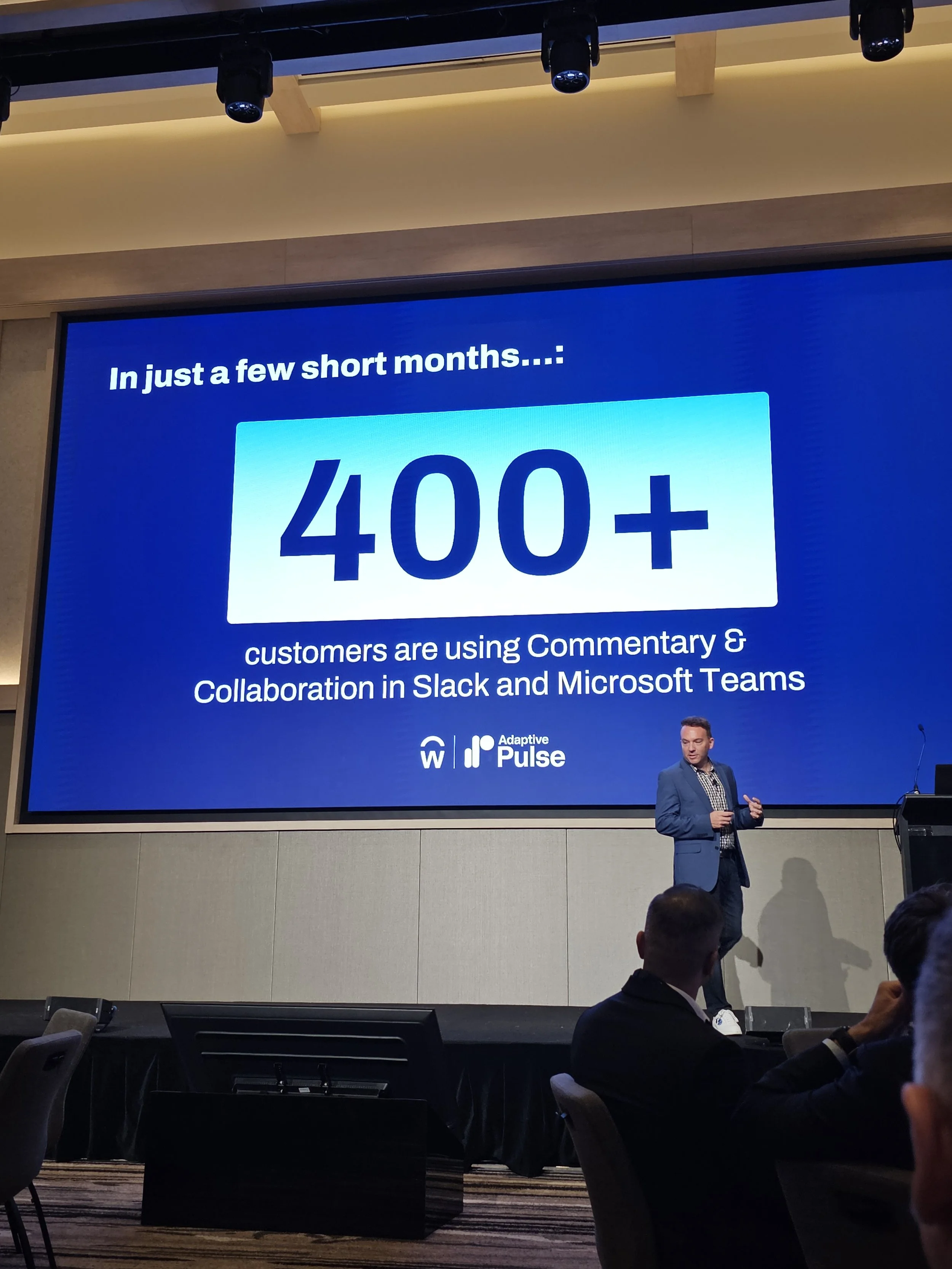
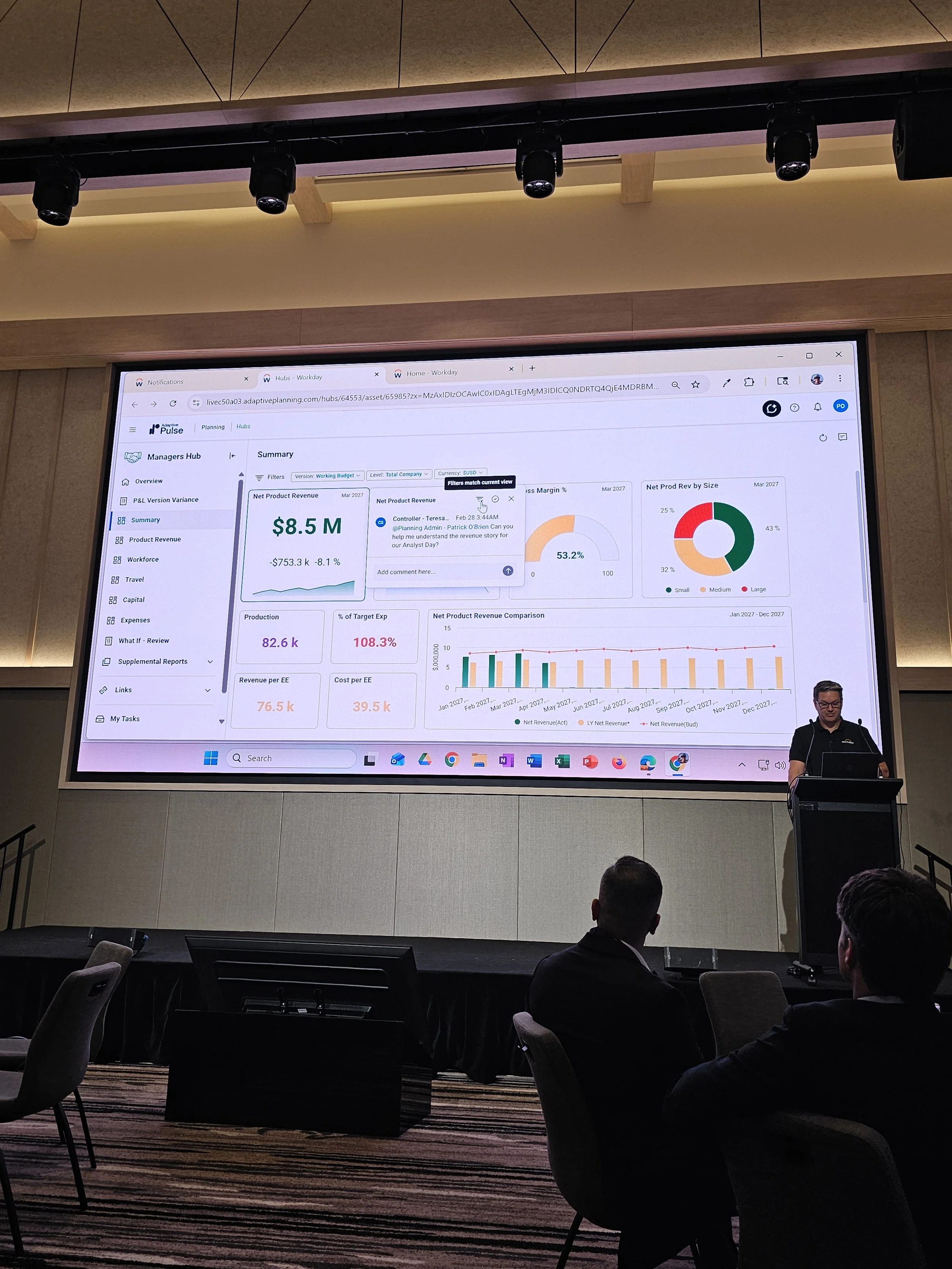
Adaptive is set to add direct connections into messaging platforms like Slack and Microsoft Teams, so finance teams can meet users where they already work and link straight back into Adaptive from those tools.
more than 400 customers had already adopted Commentary & Collaboration inside Slack and Teams within just a few months of it becoming available in the US - a sign this shift is already happening in the field, not just on a roadmap slide.
MCP connectors will also be available, so teams can use Claude, ChatGPT, or whichever LLM they prefer as the entry point, without losing a single source of truth underneath - a genuine game-changer for teams who've standardised on a particular assistant.
Adaptive for Google Workspace brings the same idea to Google's tools: teams can pull Adaptive data directly into Google Sheets, Google Slides, and Google Docs, use natural Google Workspace interactions (formatting, formulas, commentary, tagging, linking) for customisable reporting, access AI insights through a conversational chat interface, and run ad hoc analysis with Quick Report - all without leaving the sheet.
NB: this is already available for the Microsoft Suite with Office Connect allowing direct connection into Excel, Word, and PPT. Did someone say automated and data connected reporting and commentary updates? Yes they did - refresh the period and your numbers in the commentary updates,
Plan the org, not just the numbers
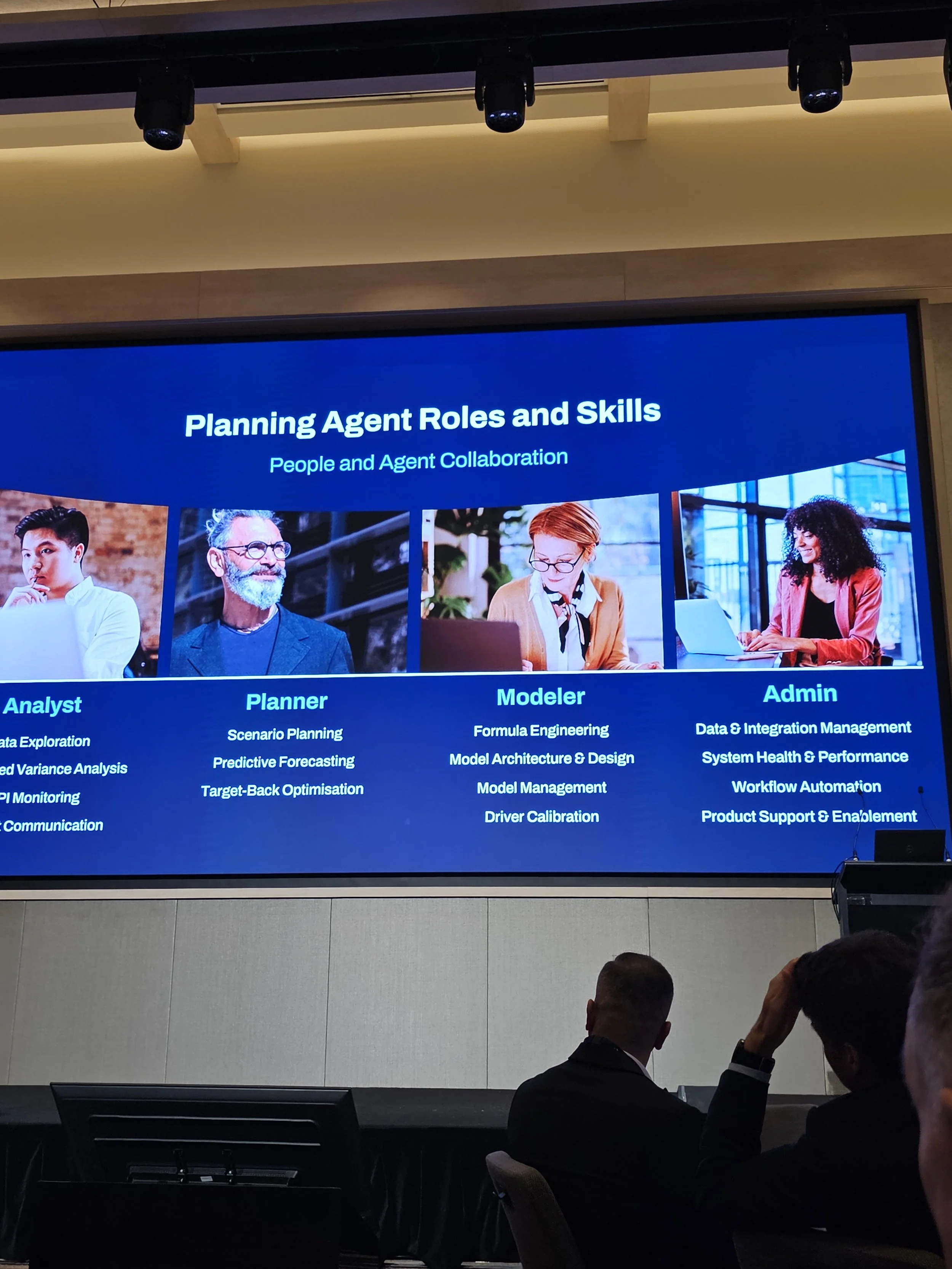
Organizational Design and Scenario Modeling (ODSM) extends Adaptive's scenario capability from the financial model into the org chart itself. HR and Finance can model workforce changes - restructures, hiring plans, span-of-control changes - in a secure sandbox, compare multiple scenarios side by side, and see the real-time cost, structural, and organisational-health impact of each before anything is actioned. It's a direct replacement for the "restructure planning in slides and spreadsheets" approach most organisations still default to.
Configurable Workflows let teams automate the planning process itself - drag-and-drop configuration of task assignment, submission, review, and approval steps, so a revenue plan (for example) can move from draft to final sign-off with each step routed to the right person automatically, and full visibility over where it's sitting at any point.
Planning Hub will let finance teams set up separate hubs for different teams - useful for larger, multi-team finance functions that need distinct working spaces, each with their own bespoke dashboards, without losing a single source of truth underneath.
Our takeaway from Elevate and Pulse, and links
Both events reinforced the same point from different angles: the appetite for AI in finance is not in question, in Australia or anywhere else.
What separates the organisations getting real value and keeping riskare those where data integration, governance, access controls are front of their requirements and gets done before the conversational layer goes live.
The transformation we are seeing in EPM platforms with the likes of ADI and ADF is a genuine step change in the solution, similar to when we saw the shift from on-premises to the cloud - it’s an exciting time to be part of the thing change and customers at the forefront will capture the competitive advantage it can bring first.
Visit the Adaptive Planning website here for more information on Adaptive Planning in general: https://www.workday.com/en-us/products/adaptive-planning/overview.html
Explore AI in Adaptive Planning:https://www.workday.com/en-us/products/adaptive-planning/ai-for-fpa.html
Watch Elevate On-Demand!
You can explore all om-demand sessions from Elevate 2026 on-demand here.
Here are the sessions we recommend:
Adaptive Planning Strategy & Vision: Shape the Future with Workday Adaptive Planning- FP&A track - 58 minutes - Adaptive Planning focus (reporting and planning, Adaptive Decision Intelligence, Adaptive Data Foundations)
Adaptive Customer Deep Dive- FP&A track - 28 minutes - Adaptive Planning Focus
hear from Mission Australia & IDX
Images from the events
FAQs
How quickly can Workday Adaptive Planning be deployed?
Workday Adaptive Planning is fast to deploy with rapid return on investment. Average initial deployment time can be a matter of weeks, even for some of the world’s largest companies. At Data Hive Consulting we have delivered foundational implementations in a matter of weeks so that our clients see initial ROI quickly with the highest value items, we continue to development the platform over time.
What size organisations and industries are the best fit for Workday Adaptive Planning?
Workday Adaptive Planning is designed to meet the unique planning requirements of organizations of all sizes, including small and medium-sized businesses (SMBs) and large enterprises. Trusted by customers across diverse industries and geographies, Workday Adaptive Planning is the go-to choice for organizations seeking comprehensive planning solutions with advanced capabilities.
What are the three key elements of enterprise performance management (EPM)?
First, EPM systems provide a centralized data repository for a comprehensive view of an organization’s past performance.
Second, they’re used to create enterprisewide financial plans, budgets, and forecasts that align to organizational strategic goals.
Finally, EPM systems track key performance indicators and analyze performance against set targets to identify risks and opportunities.
About Data Hive Consulting
At Data Hive Consulting we advise on, implements, and supports Corporate and Enterprise Performance Management (CPM/EPM) platforms, including Workday Adaptive Planning & OneStream, for organisations across Australia and beyond. With 25+ years of real corporate finance and FP&A experience behind every implementation, the team closes the gap between disconnected spreadsheets and a single, driver-based planning environment. Our team has completed over 100+ EPM solution deliveries, across 10+ industries.
Interested in what a platform-based, data-connected, governed driver-based planning model would look like for your business? Already have a platform which you would like reviewed, improved, or extended?
Get in touch to talk the art of the possible for your reporting, planning, insights with EPM.
If you would like to get on the list for future events and updates, or want to speak about how Adaptive Planning could work in your organisation, get in touch with our team.
Author: Leah Diprose - Commercial Director, Clients & Growth - Data Hive Consulting
