Event recap: Adaptive Pulse New York Sep 2026 - From Planning to Decision Intelligence
By Leah Diprose | Data Hive Consulting · 22 Oct 2026
A new name, AI that's live rather than on the roadmap, and some very candid customer stories: what I brought home from Adaptive Pulse New York.
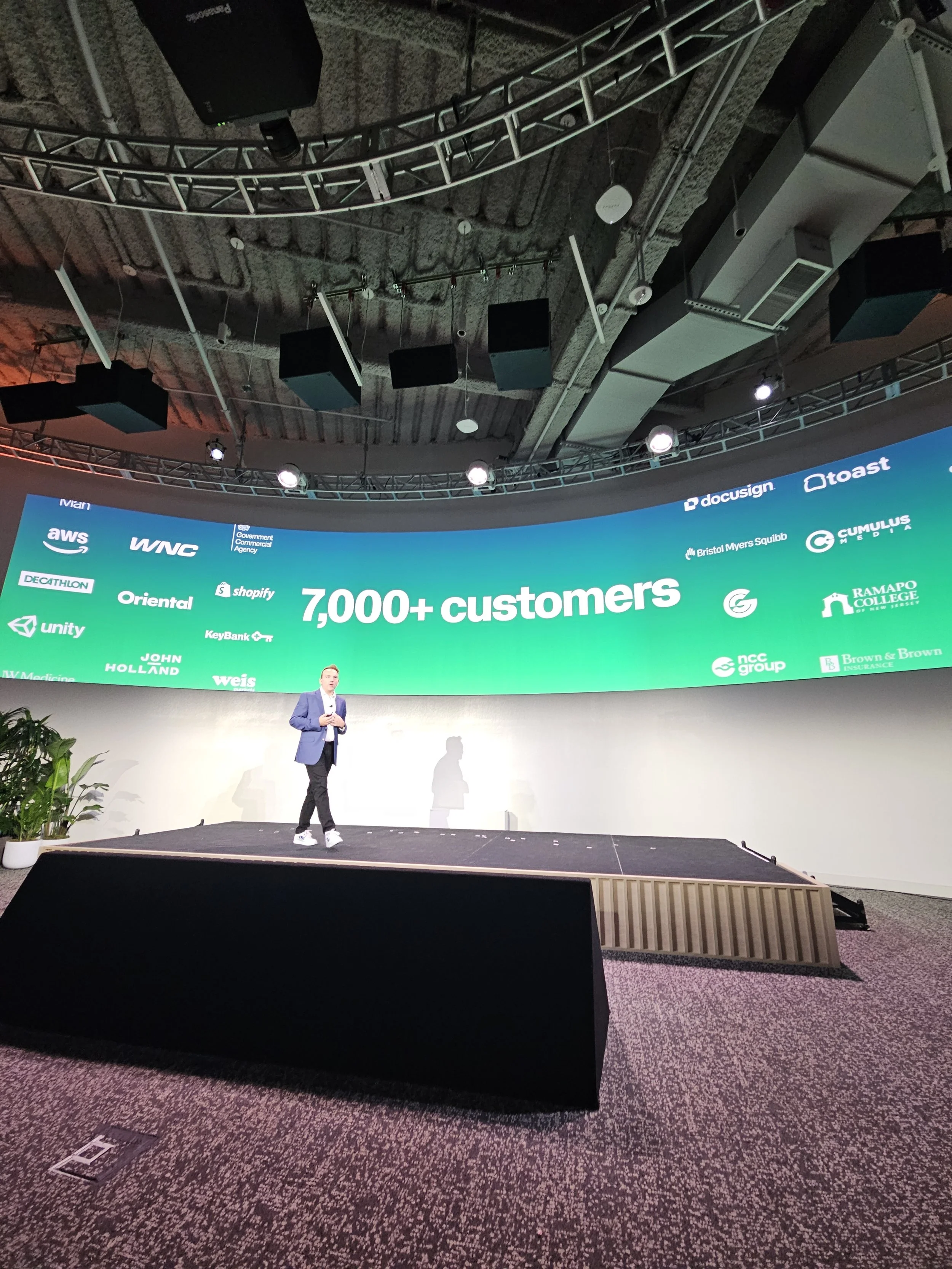
Seven thousand customers. A brand-new name. And a room full of finance leaders asking the same question: what does AI actually change about how we plan?
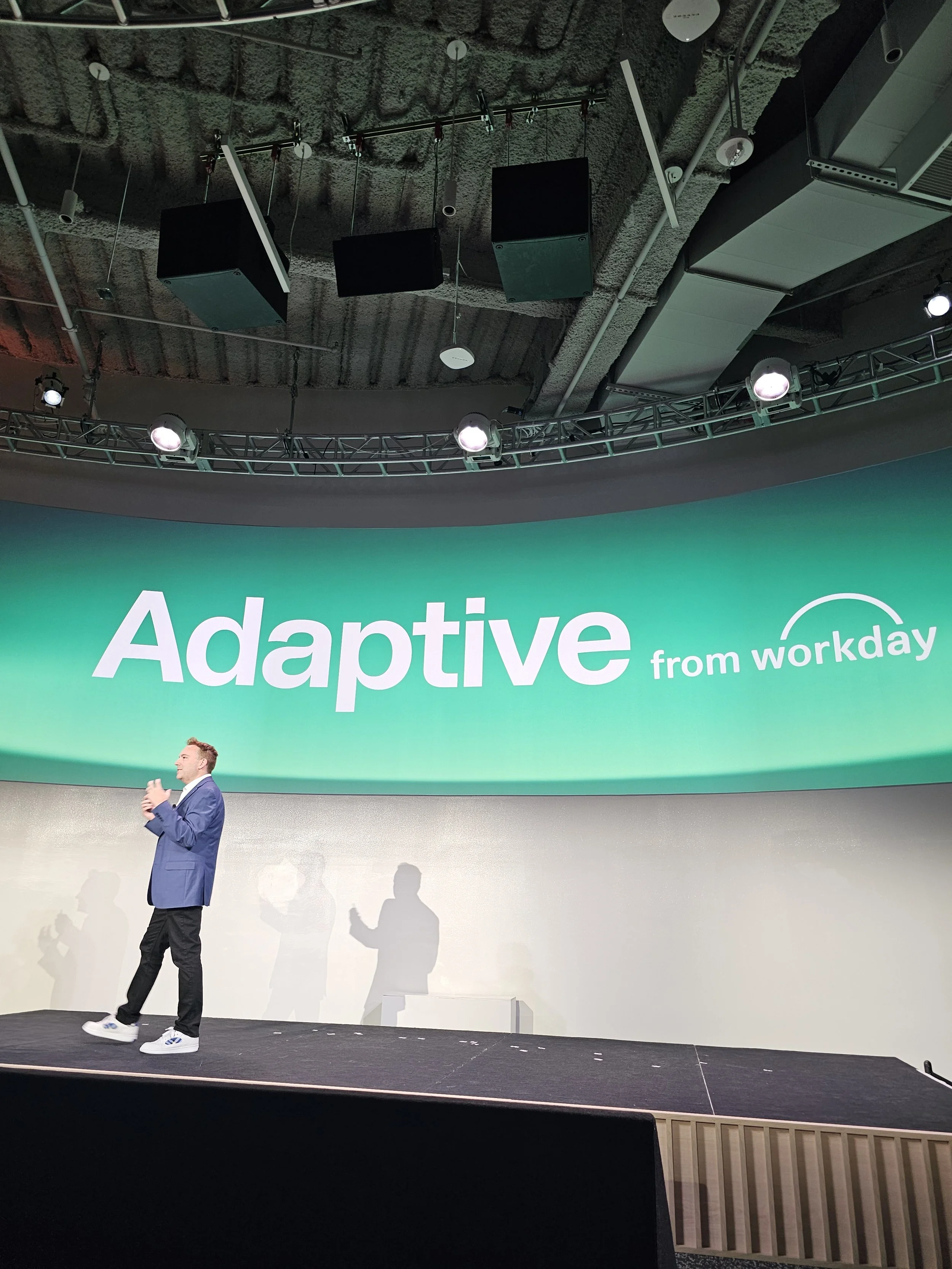
On 10 September 2026, Adaptive Pulse New York took that question to Lower Manhattan. Ben Pierce and Eric Thum led the day for Workday. Adaptive customers, Unity Technologies and AWS shared what's really working, and what isn't. Adaptive implementation partners PlanSimpli, Deloitte, PwC, KPMG and BCG brought the outside view. And before lunch, Workday Adaptive Planning had become Adaptive from Workday.
Adaptive Pulse is Workday's annual conference for the Adaptive community, held in the USA, London and Australia. Earlier this year at Workday Elevate Sydney and Adaptive Pulse Melbourne, the talk was about where planning and AI were heading. In New York, it was clear how much of that roadmap had already become product.
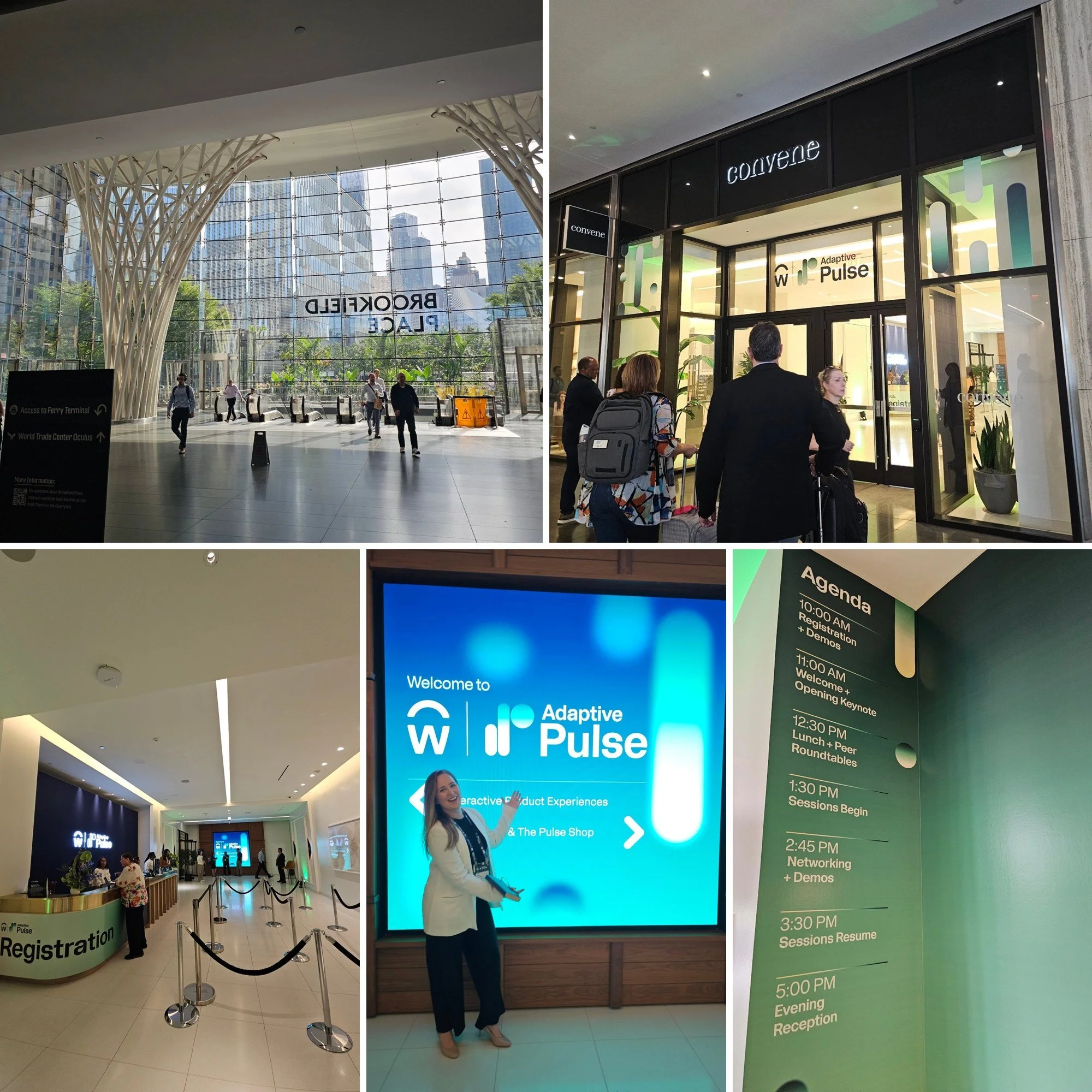
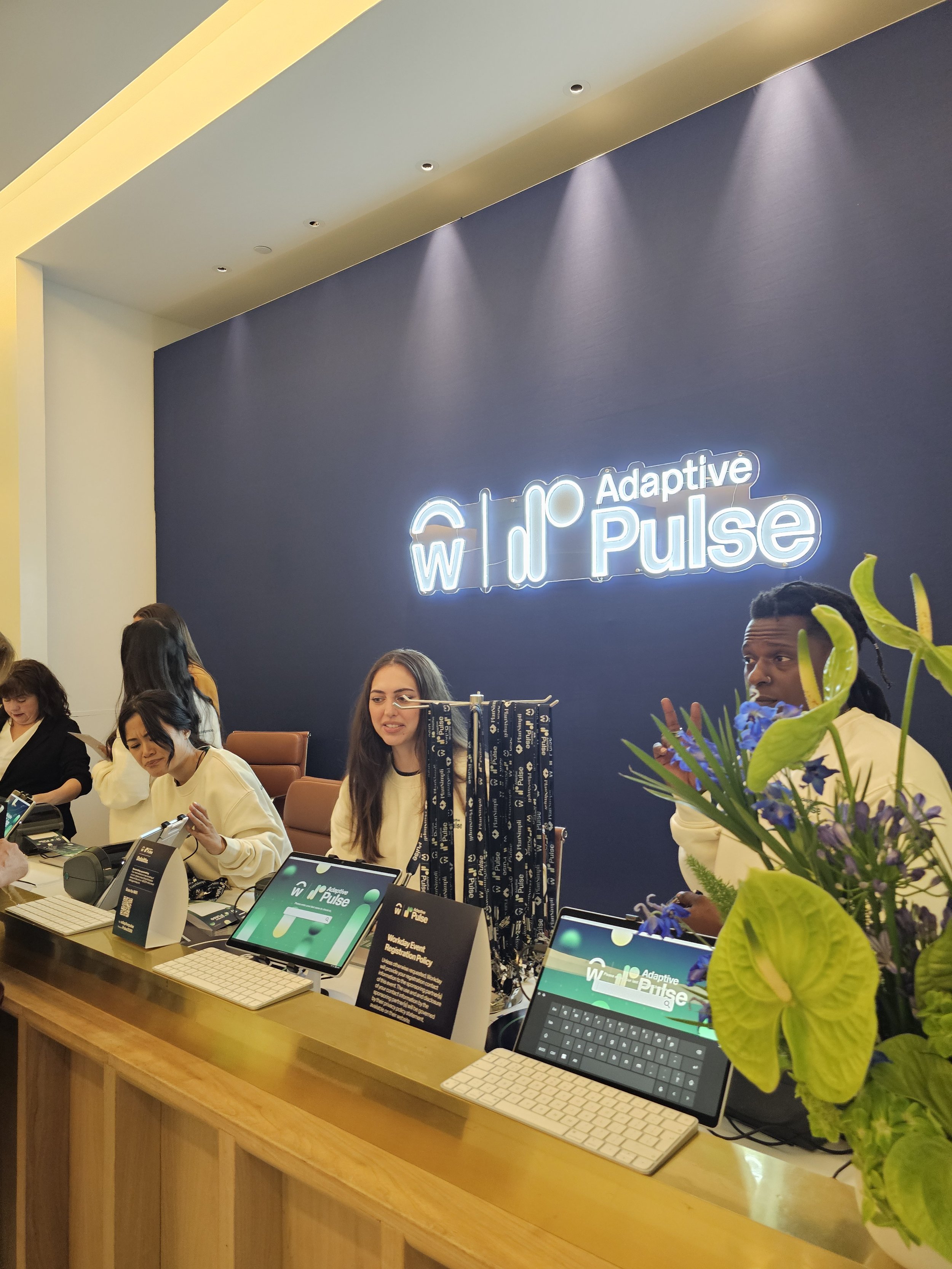
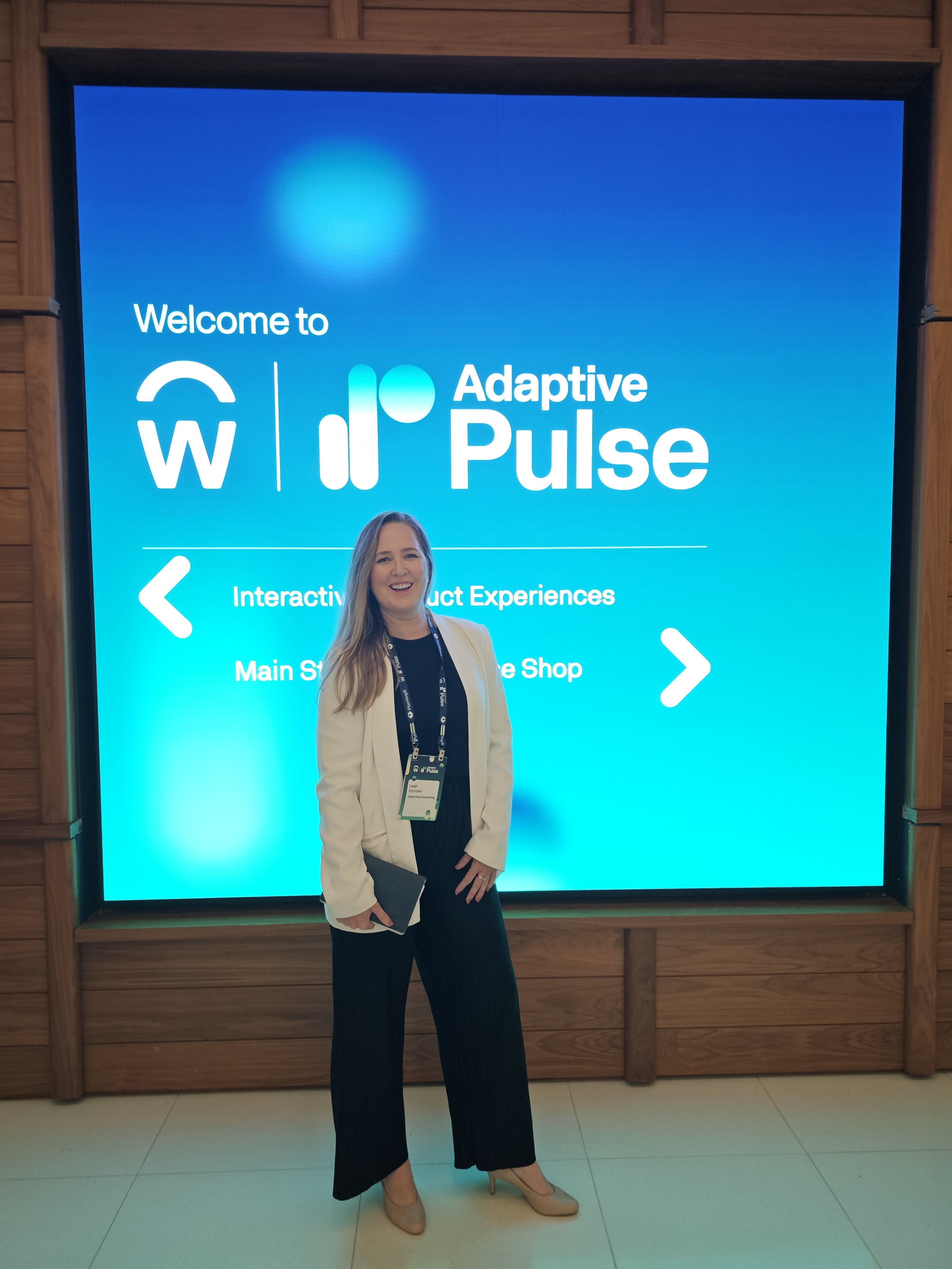
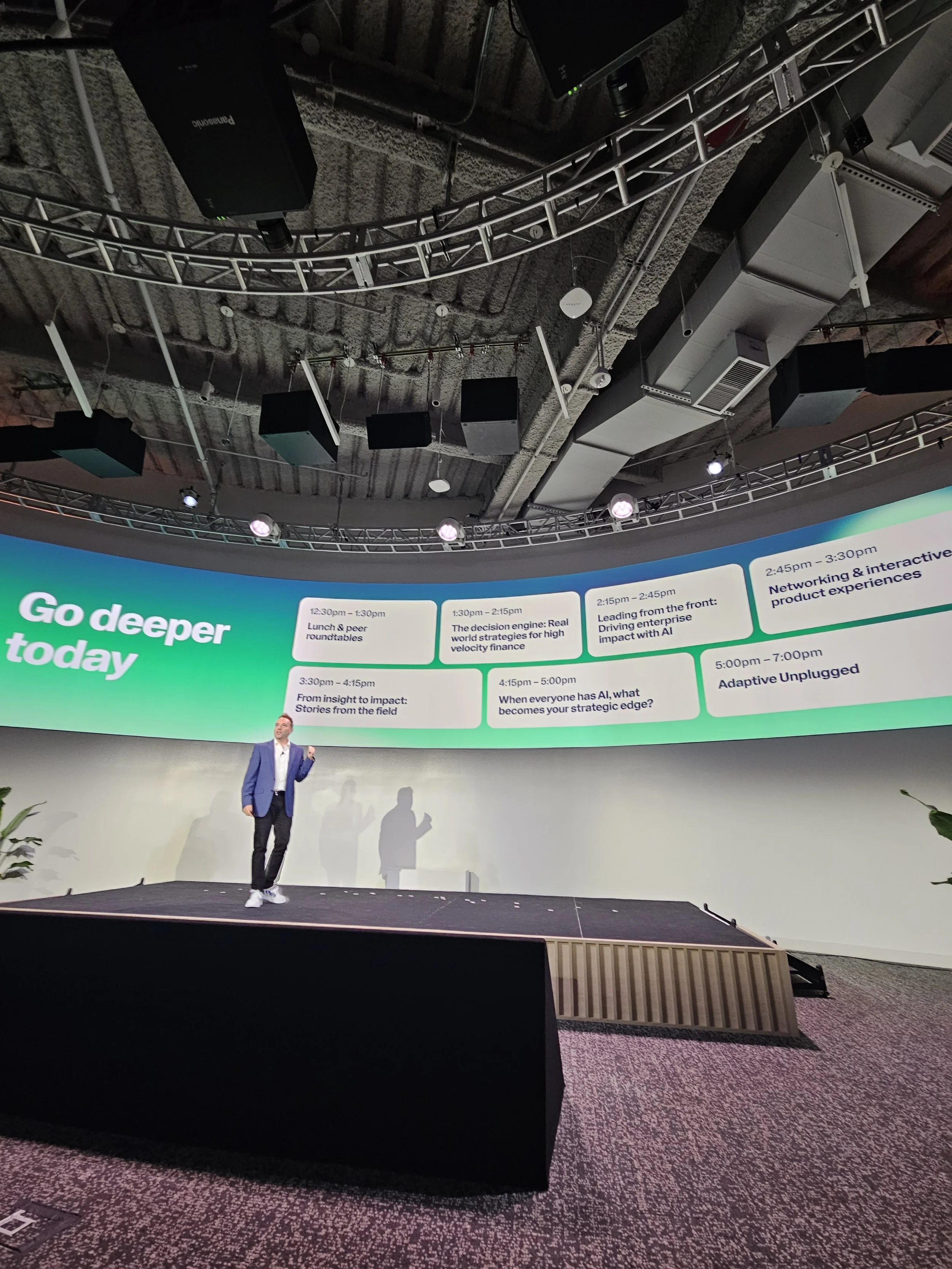
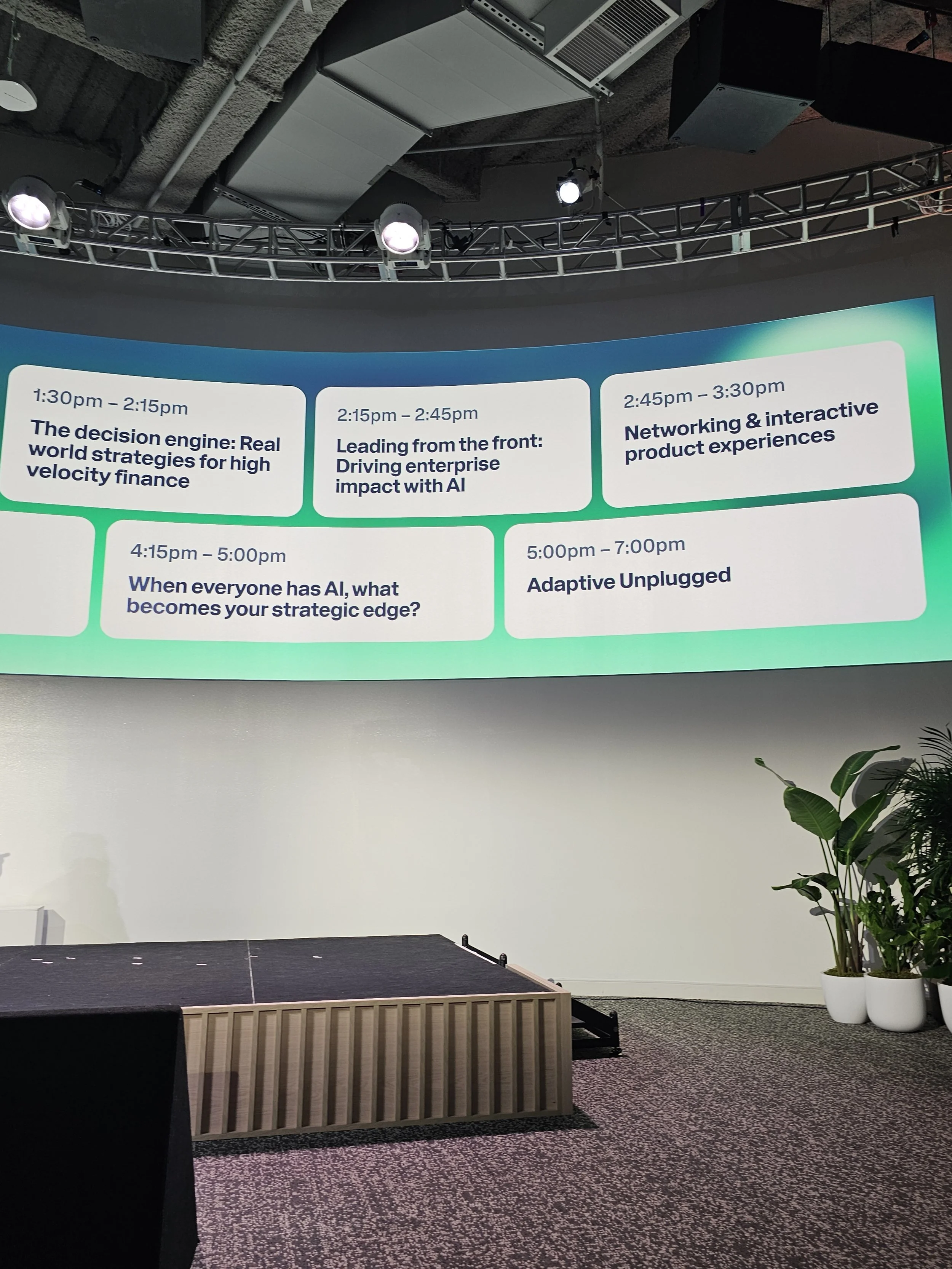
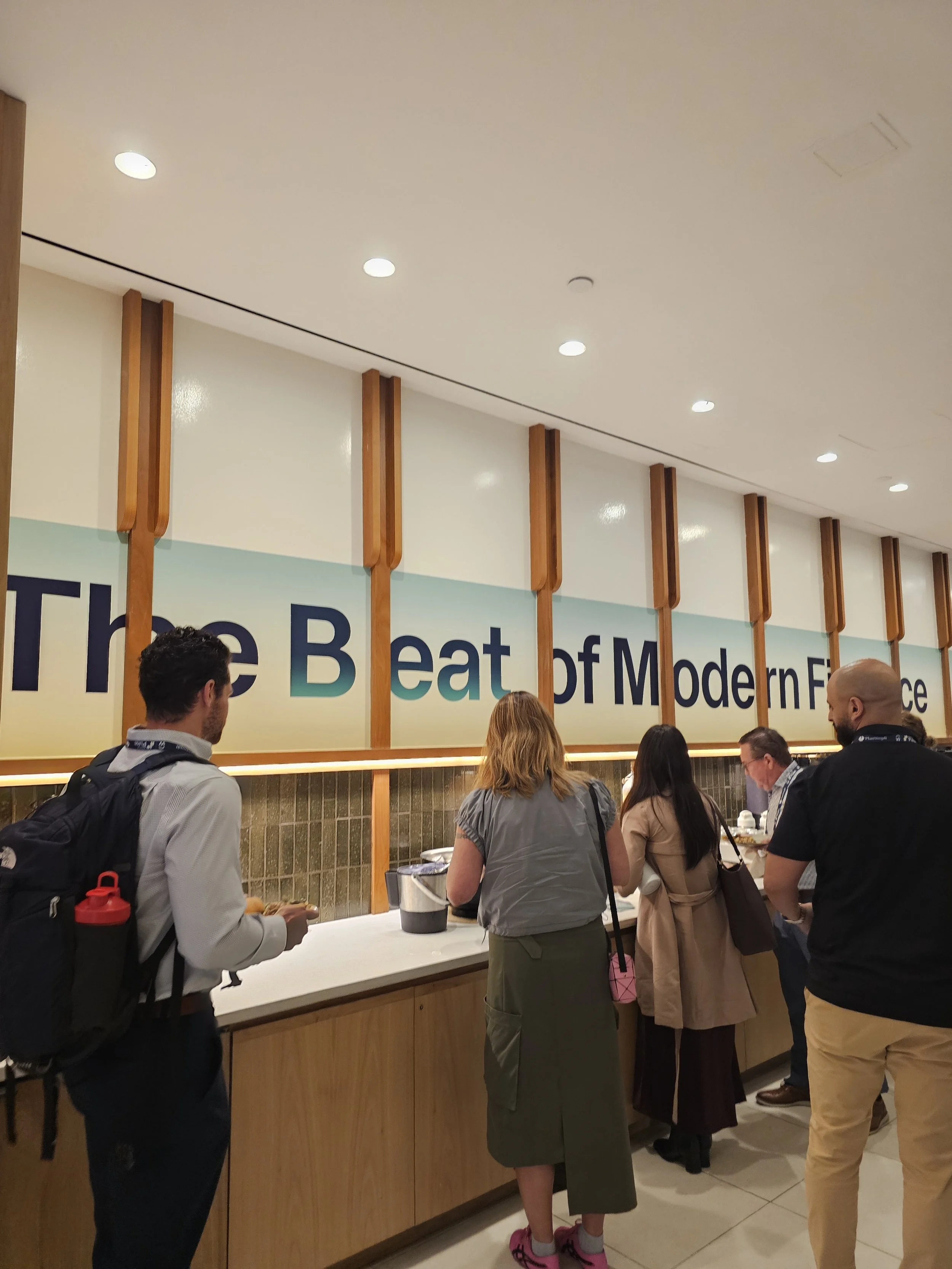
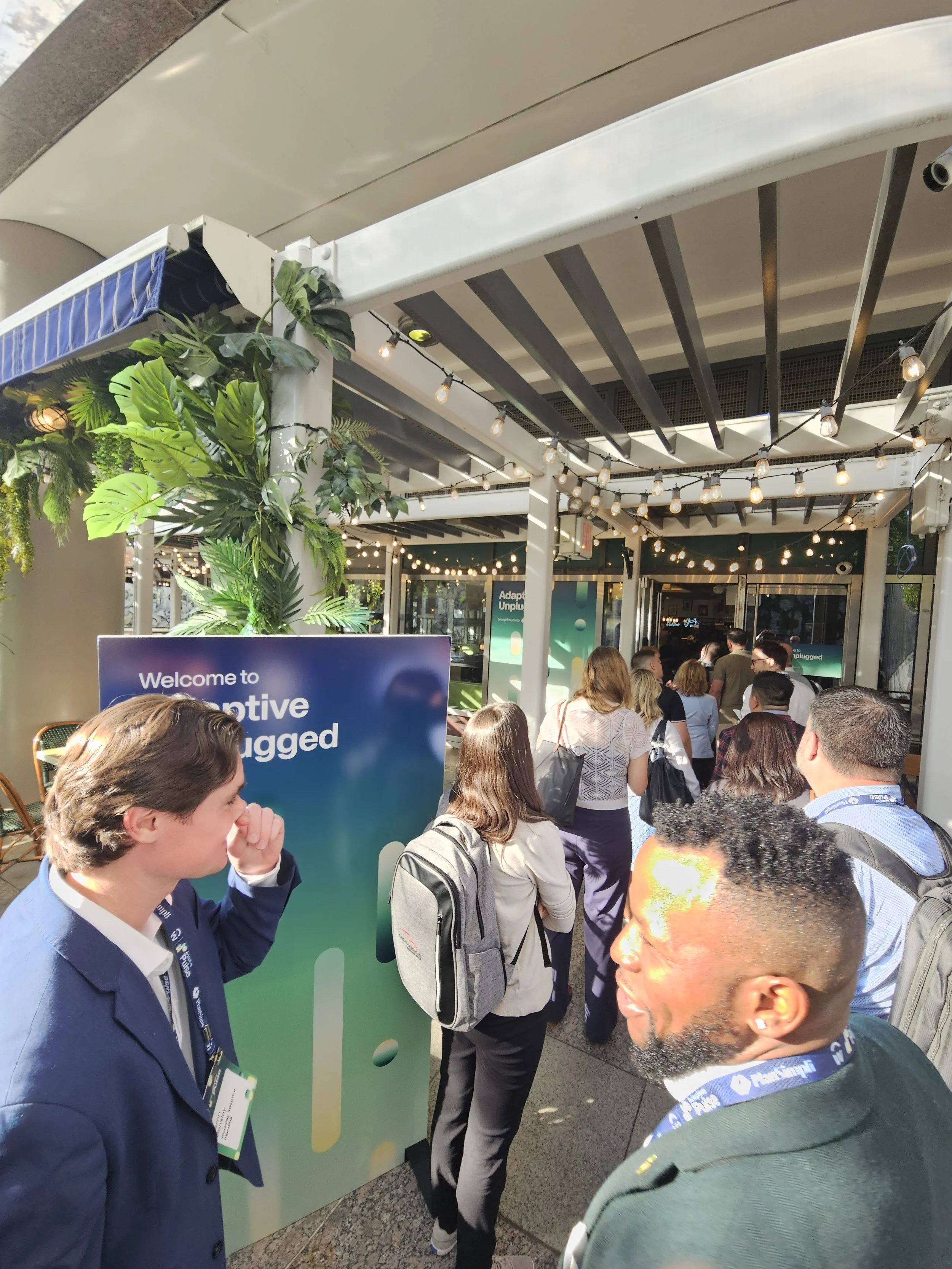
The day started in the sunlit Lower Manhattan Brookfield Place atrium, where the Adaptive Pulse branding led the way to Convene. Inside, a giant welcome screen and an agenda wall set the pace: keynote at 11, peer / industry roundtables over lunch, two blocks of sessions including customer key notes, partner insights, and an evening reception.
Some of the best insights also came off stage, in conversations with existing customers, future customers there exploring the art of the possible, and the . Here's what I took away.
At a glance
From planning to decisions. Workday Adaptive Planning is now Adaptive from Workday, signalling a marked shift from a platform that supports teams to build and adjust plans effortlessly, to a platform focused on supporting teams to make effortless decisions.
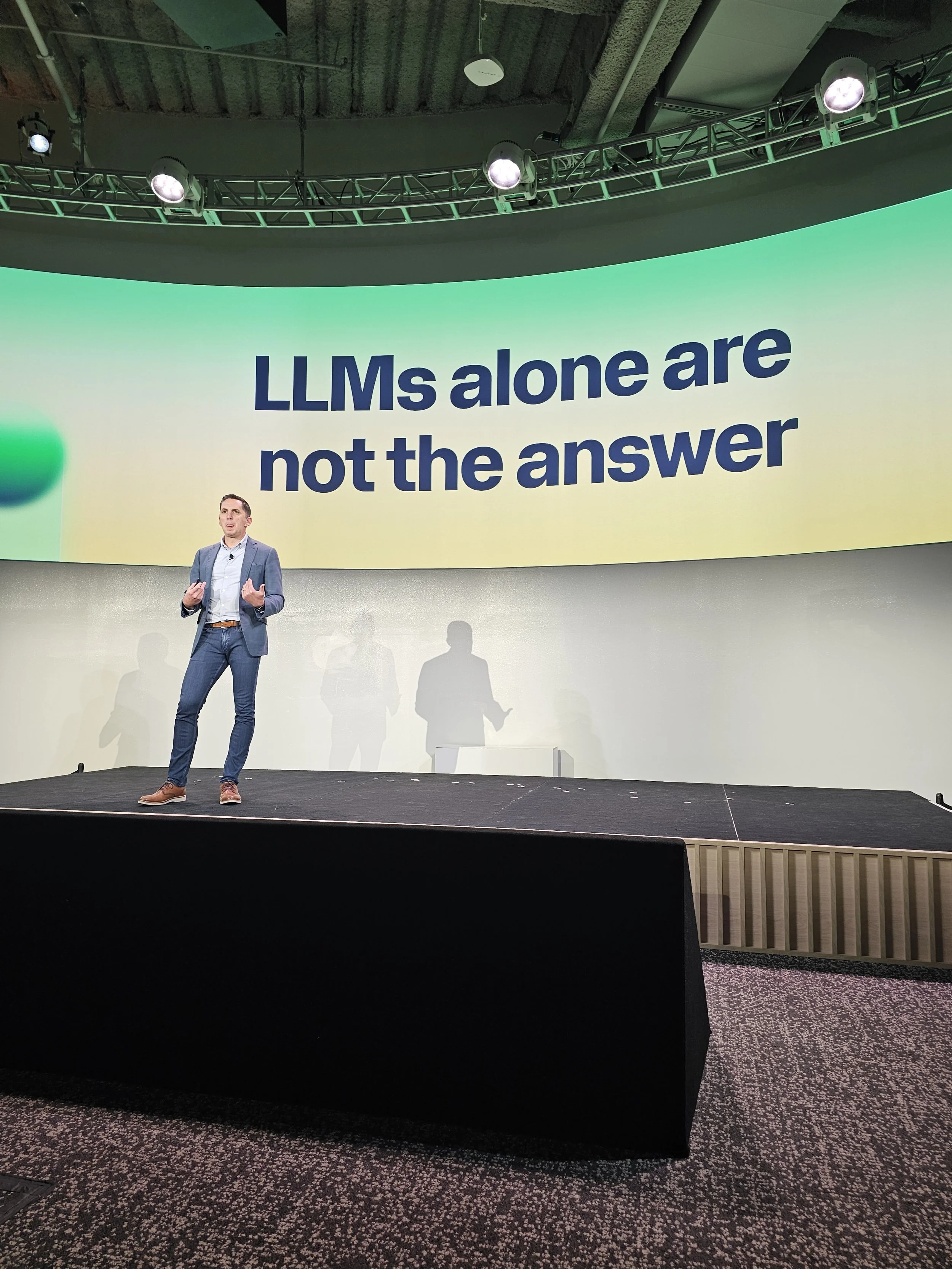
Foundations matter more with AI. LLMs alone aren't the answer. Governed data, models and security are what make AI answers trustworthy.
Decision Intelligence is live. Anticipate, Analyze, Act, with decisions written back to the plan of record. Adaptive is investing millions of dollars a year in product development and releasing new capabilities every week rather than every half year.
The customer panel. Adoption, hands-on finance teams and "good enough" separate scaling teams from stalled pilots. Clean data comes first.
Unity Technologies - James Choi, Head of Finance Transformation: An impressive AI demo isn't an operational process, and token costs matter.
AWS - Sarah Samudio, Senior People Leader: Model runtimes cut from 10 hours to two minutes, built on three years of data foundations.
Your edge when everyone has AI. Scale, flow data and judgement differentiate, and token costs are heading for the P&L.
What it means for finance leaders and where to start: Start with the business problem, understand where the data sits, and start with the foundations .
The bottom line: AI in finance is moving from demo to day-to-day. The teams that benefit will be the ones with clean data, governed models and a clear business problem to solve. Planning isn't becoming less important. It's becoming the foundation for better decisions.
1. From planning to decision intelligence in moments
The headline announcement was the rebrand from Workday Adaptive Planning to Adaptive from Workday. Dropping the word "Planning" looks minor, but it signals a real shift in ambition.
Planning stays at the core. But the platform is moving beyond budgeting and forecasting towards decision-making: connecting financial and operational data with modelling, scenarios, workflows, workforce planning and AI. The goal is no longer just better plans. It is better decisions, made faster and with more confidence.
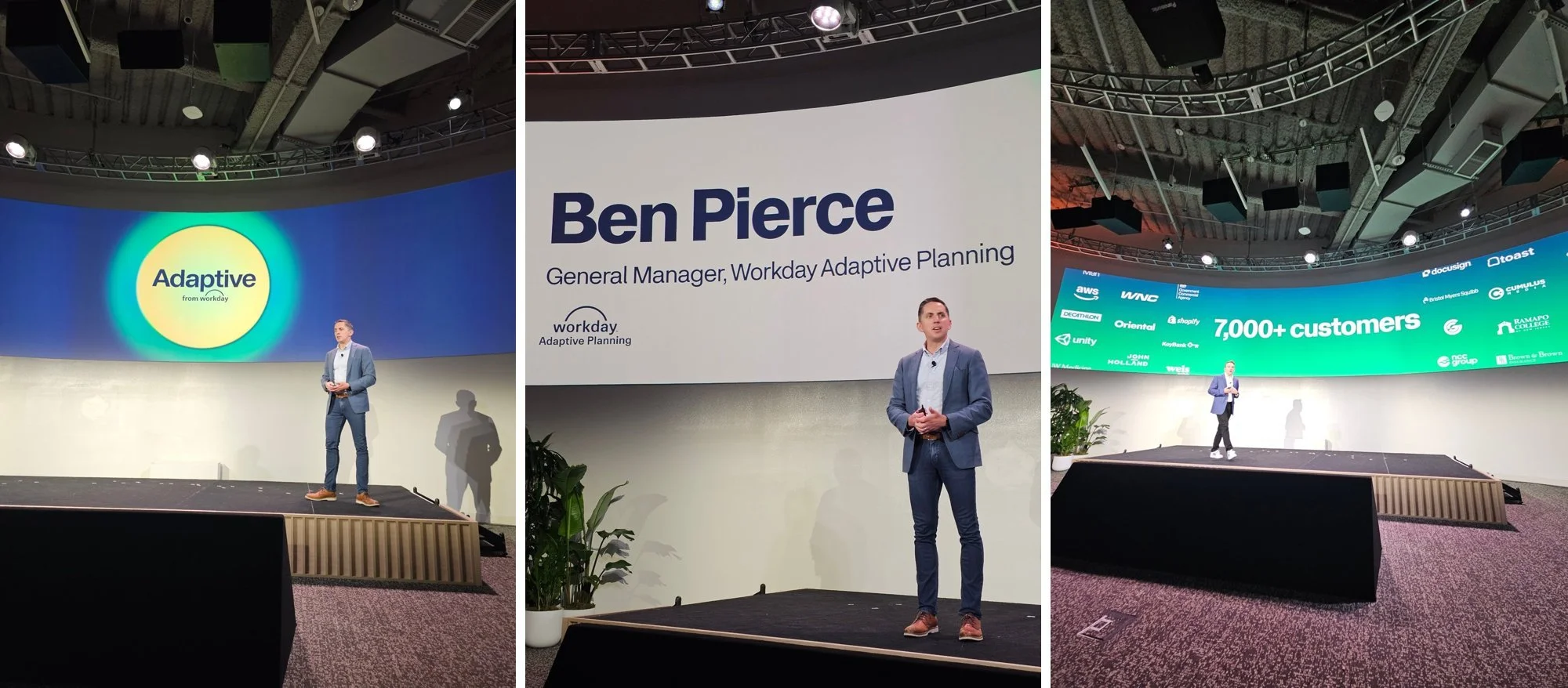
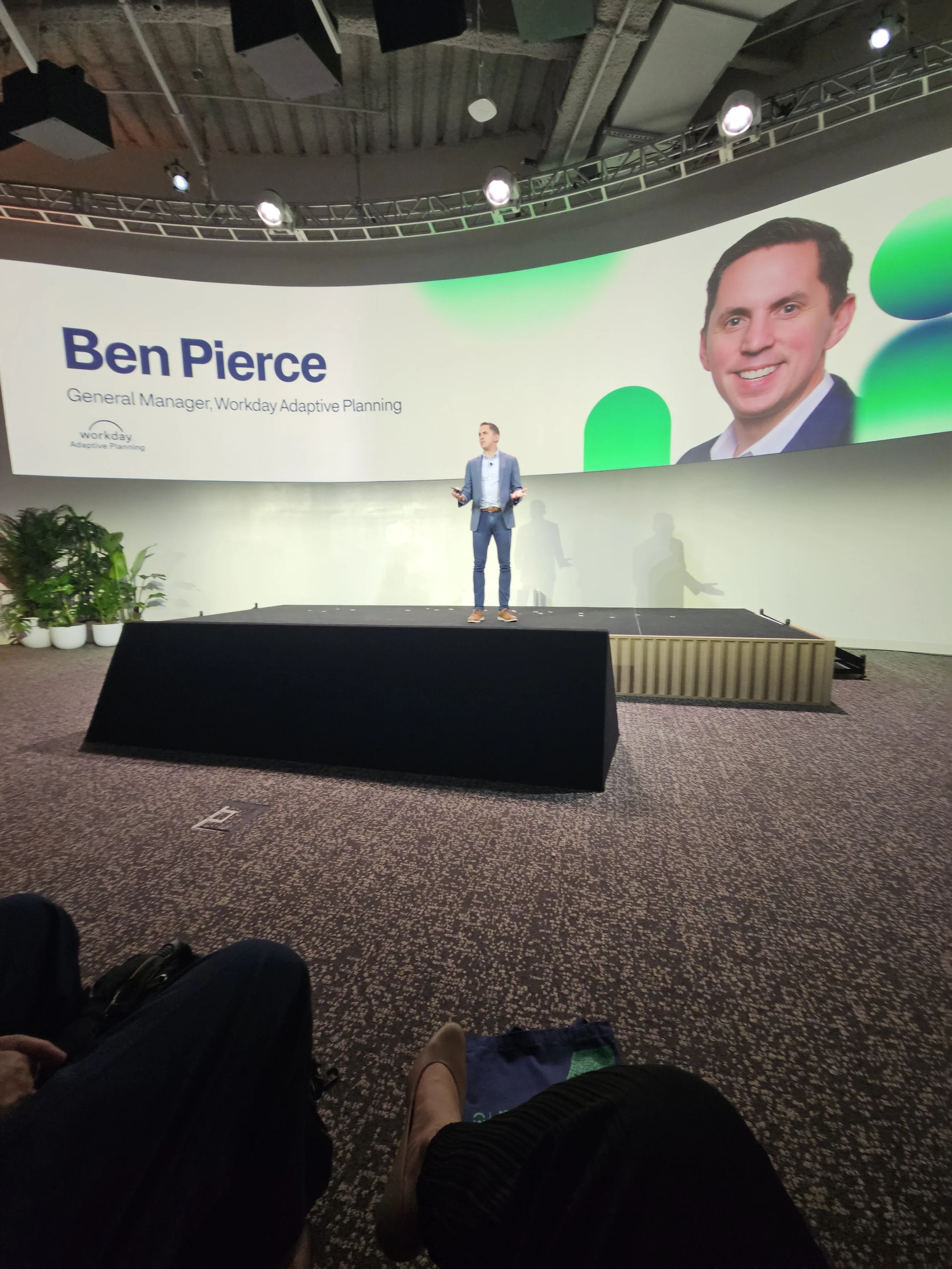
General Manager Ben Pierce, fresh from a week and a half in Australia, framed the problem well. Planning tools were built to create the plan, not to help people think, collaborate or decide. That is all changing now. The data is still the foundation, and Adaptive has always been the place that teams bring that together, but now Decision Intelligence AI embedded in the platform supports the planning exercise, and the decision in moments.
Workday shared some figures on the size of the business:
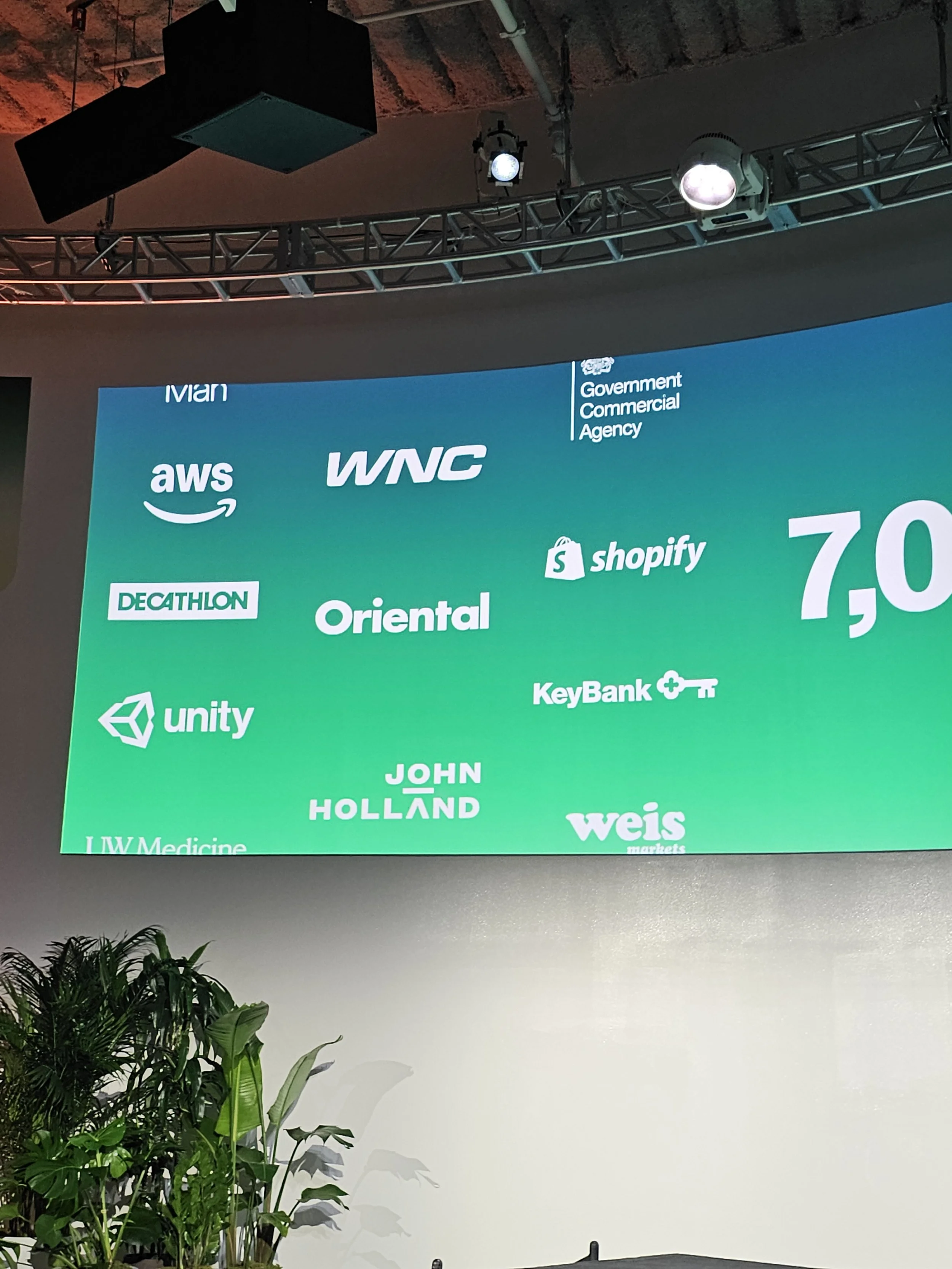
About 7,000 customers, including more than a third of the Fortune 500
Around 650 Workday employees dedicated to Adaptive
About 4,500 customers running Adaptive alongside a non-Workday ERP
More than 350 external data sources integrated across the customer base with capability to integrate a rapidly increasing amount including Snowflake, Databricks, and more
That third figure matters for most of our clients. You don't need to replace your ERP, HR or operational systems to use Adaptive. It sits alongside them.
2. Foundations matter more with AI
The visible part of AI in finance is exciting: natural-language questions, agents, automated analysis. Underneath sits everything that makes it reliable enough to use:
Connected, trusted financial and operational data
Multidimensional models and established business logic
Hierarchies, security and access permissions
Versions, scenarios and workflows
Data lineage and auditability
Integration with ERP, CRM and HR systems
A large language model can produce an impressive answer. The real test is whether that answer can be traced to trusted data, explained, reproduced and defended in a board meeting. Can its assumptions be challenged? Can the decision be written back into the plan, with permissions respected and an audit trail kept?
Ben described customers exporting data from Adaptive into a frontier model. The analysis was good, but it broke security and governance, couldn't be shared, and lost all the logic built into the model. One customer called it "single player mode".
The strongest message I took from New York was that LLMs alone are not the answer. The value comes from combining capable models with the governed data and logic that already sit in platforms like Adaptive.
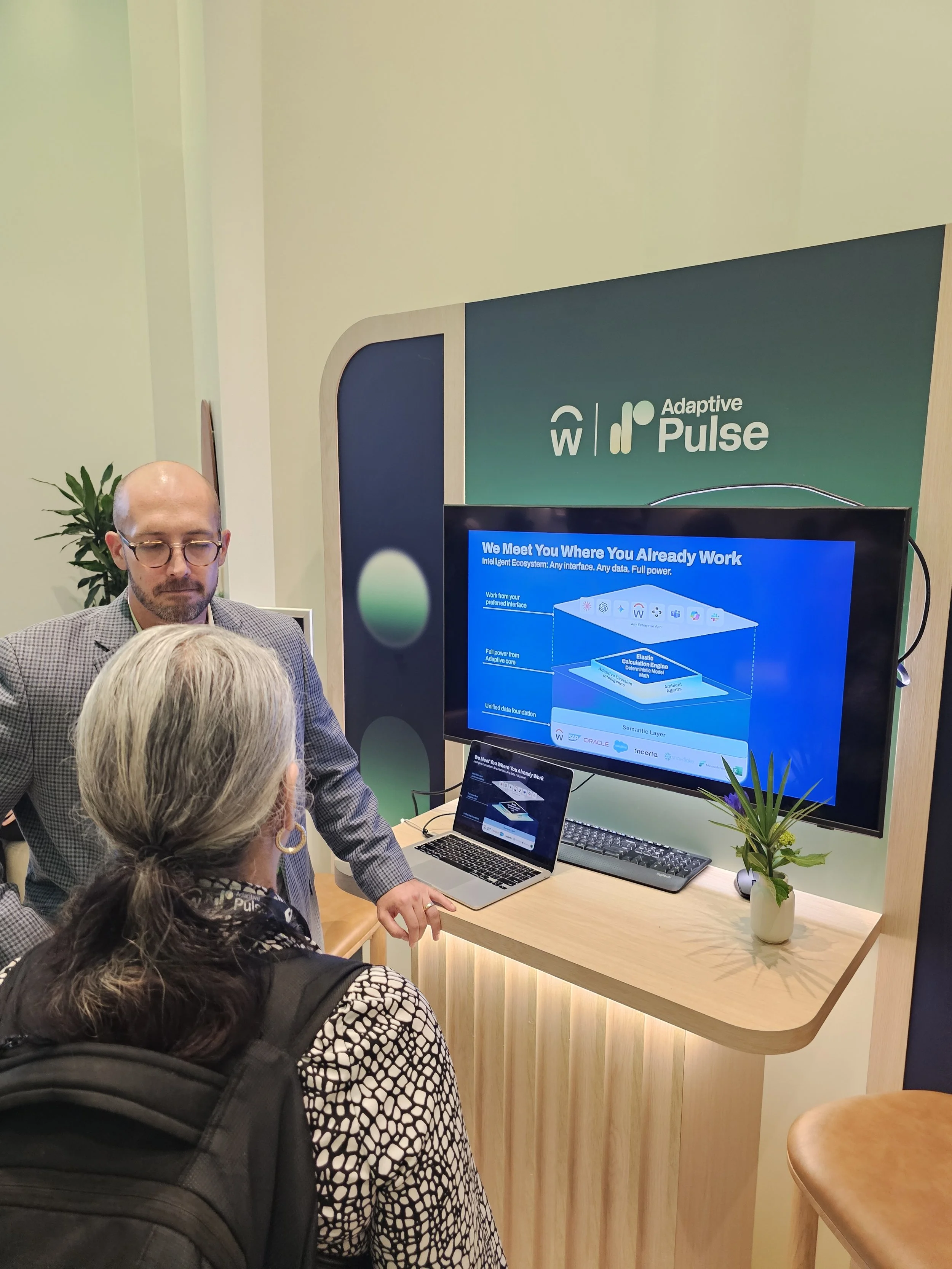
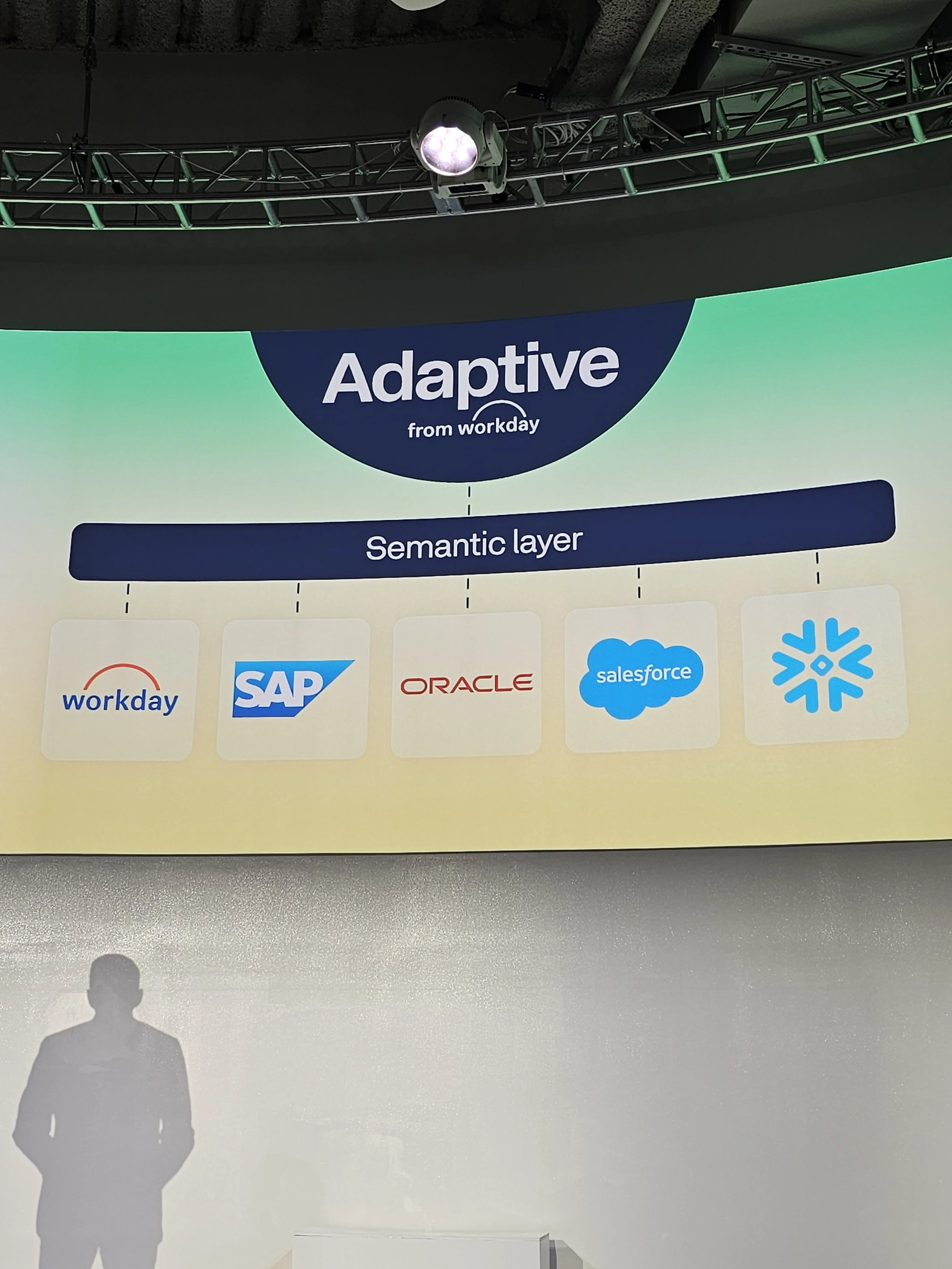
One demo station made this point visually. Its slide, titled "We Meet You Where You Already Work", showed people coming in through whichever interface they prefer: the major AI assistants, Workday, Microsoft Teams or Slack. Underneath sat Adaptive's calculation engine, labelled "deterministic model math", on a semantic layer over data from Workday, SAP, Oracle, Salesforce, Snowflake and Excel. The AI is the front door. The governed model underneath is the house - this is Adaptive.
The partner panel later put it neatly: the deterministic calculation engine is the control, and AI sits on top as the probabilistic insight layer.
Most of the AI failures I see in finance aren't model problems, they are data, ownership and process problems that were there before AI arrived.
3. Decision Intelligence is live: Anticipate, Analyze, Act
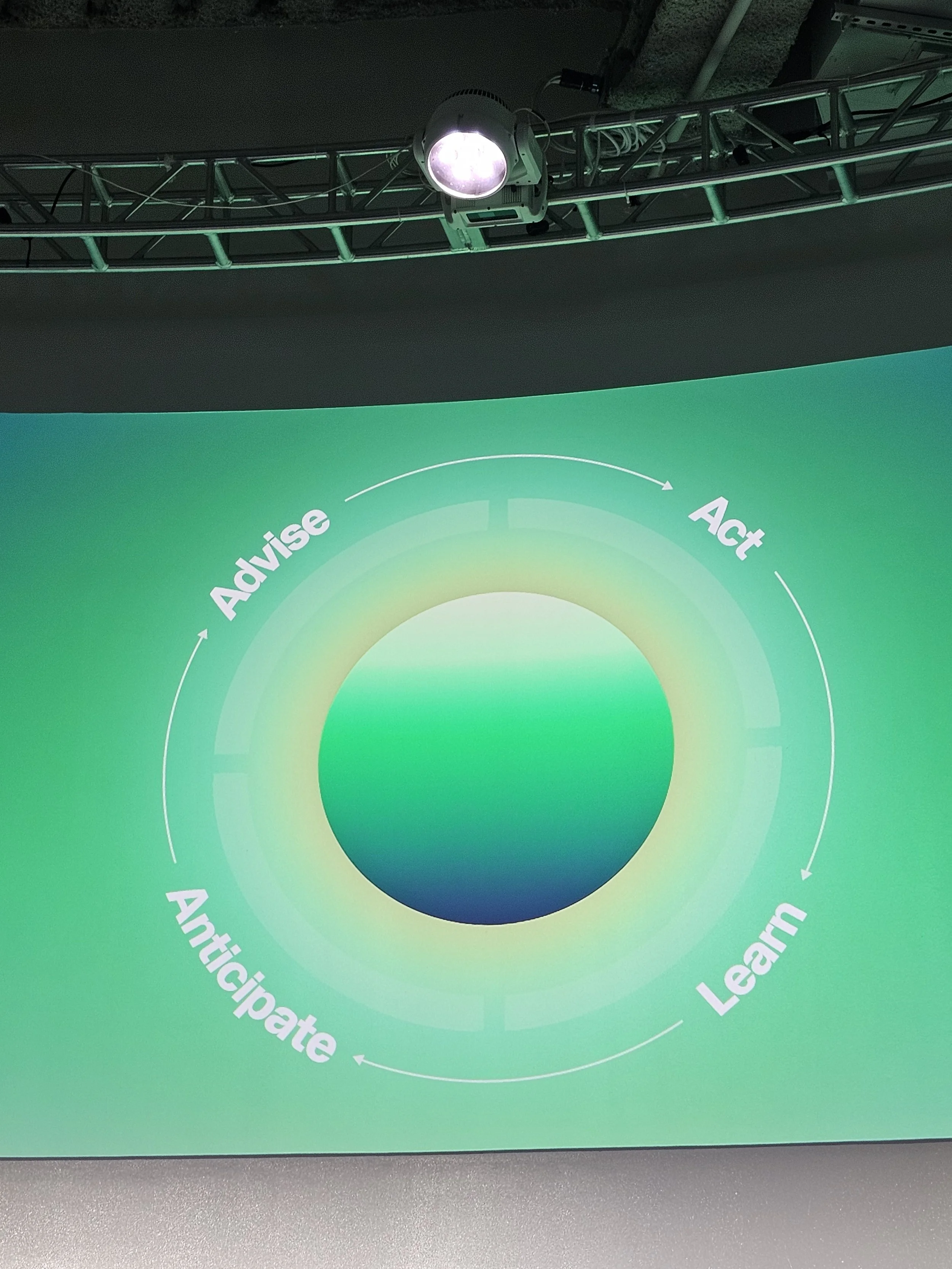
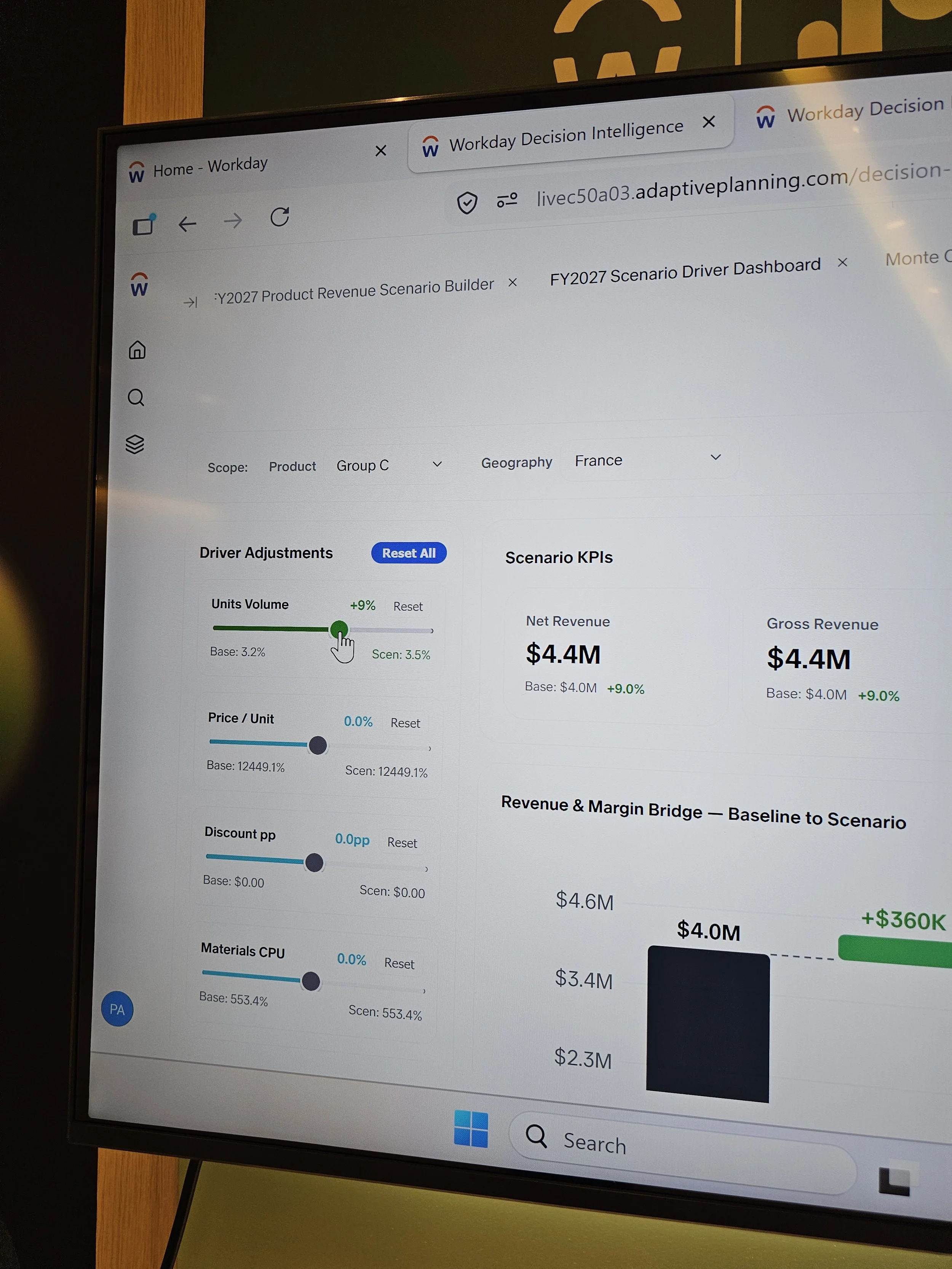
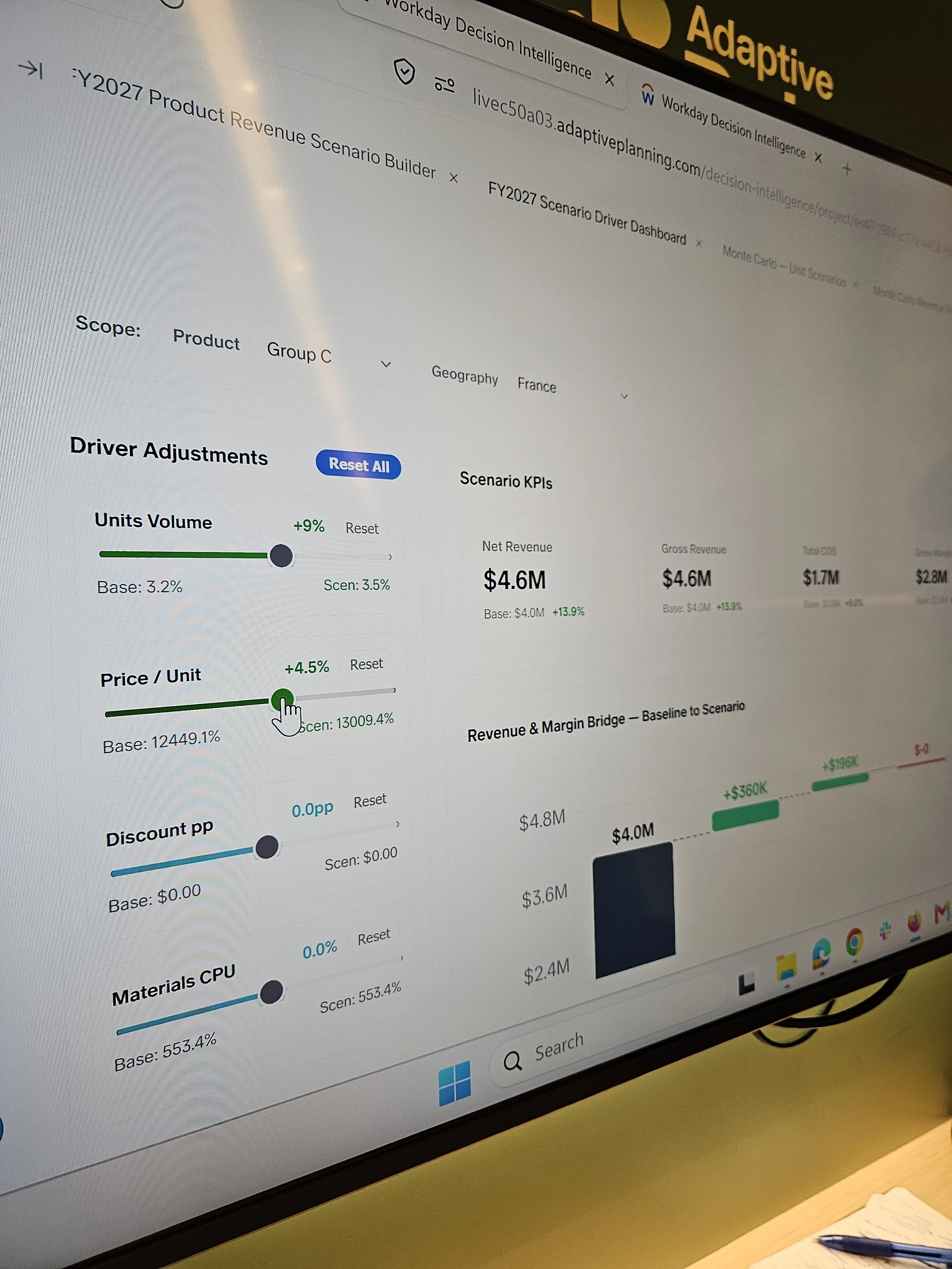
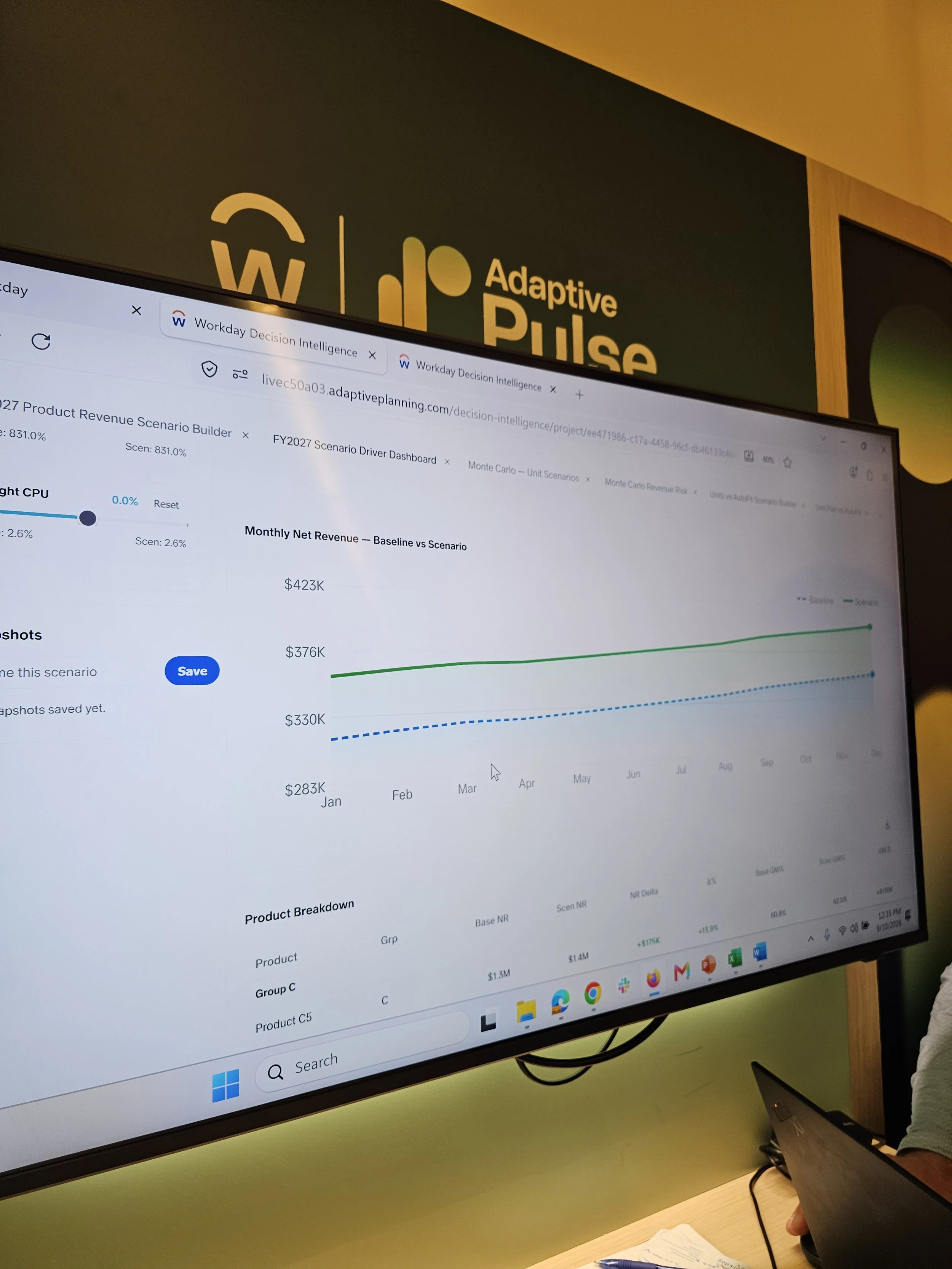
Adaptive Decision Intelligence was the most interesting development, explained in three stages:
Anticipate. When actuals land, the platform flags material movements, anomalies and risks, rather than waiting for someone to spot them in a report.
Analyze. Finance can drill into what's driving a movement across product, customer, business unit or region, without hours of spreadsheet work.
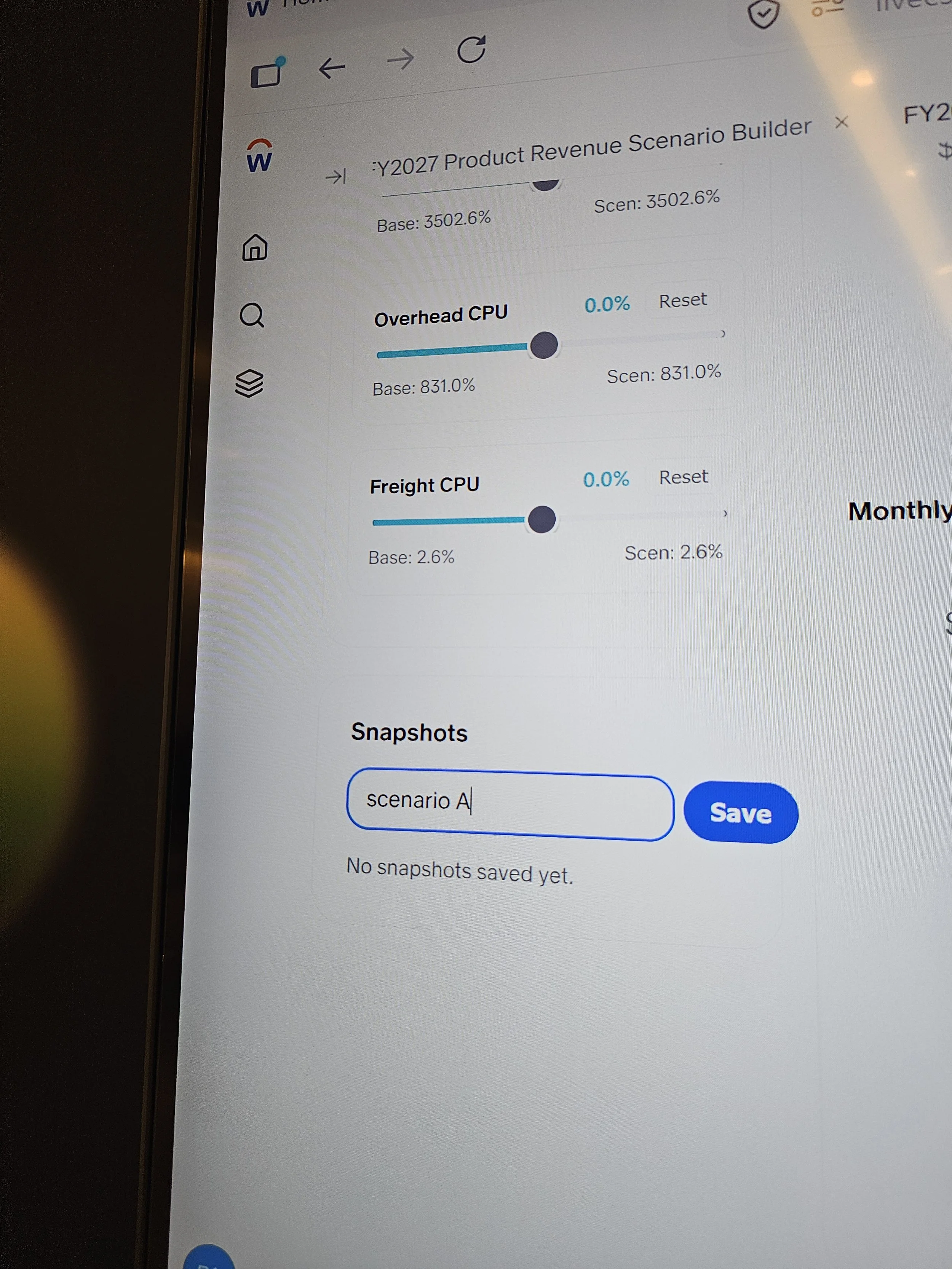
Act. Insights feed back into the governed plan. Teams can test scenarios, record assumptions and build approved decisions into the forecast, with the plan remaining the system of record.
That last step is the important one. It is the difference between AI that answers questions and AI that takes part in a controlled business process.
As Ben put it: "The real unlock isn't speed. The real unlock is aperture." It's about how much of the business you can see, analyse and advise on.
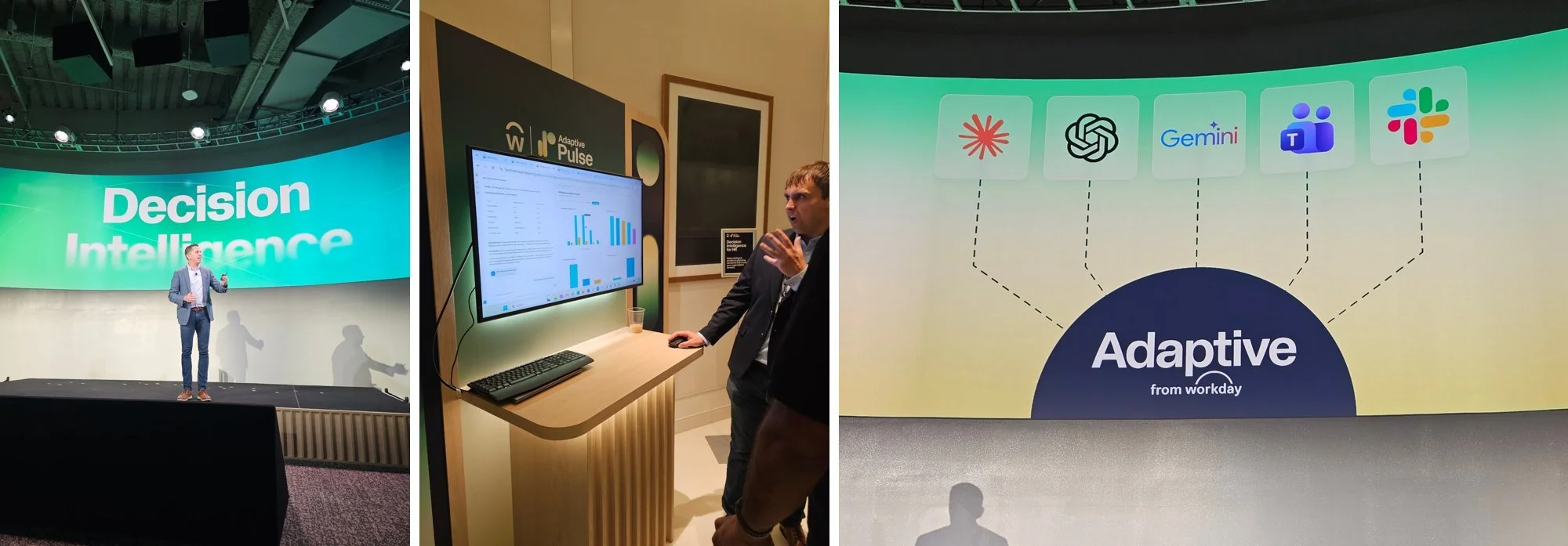
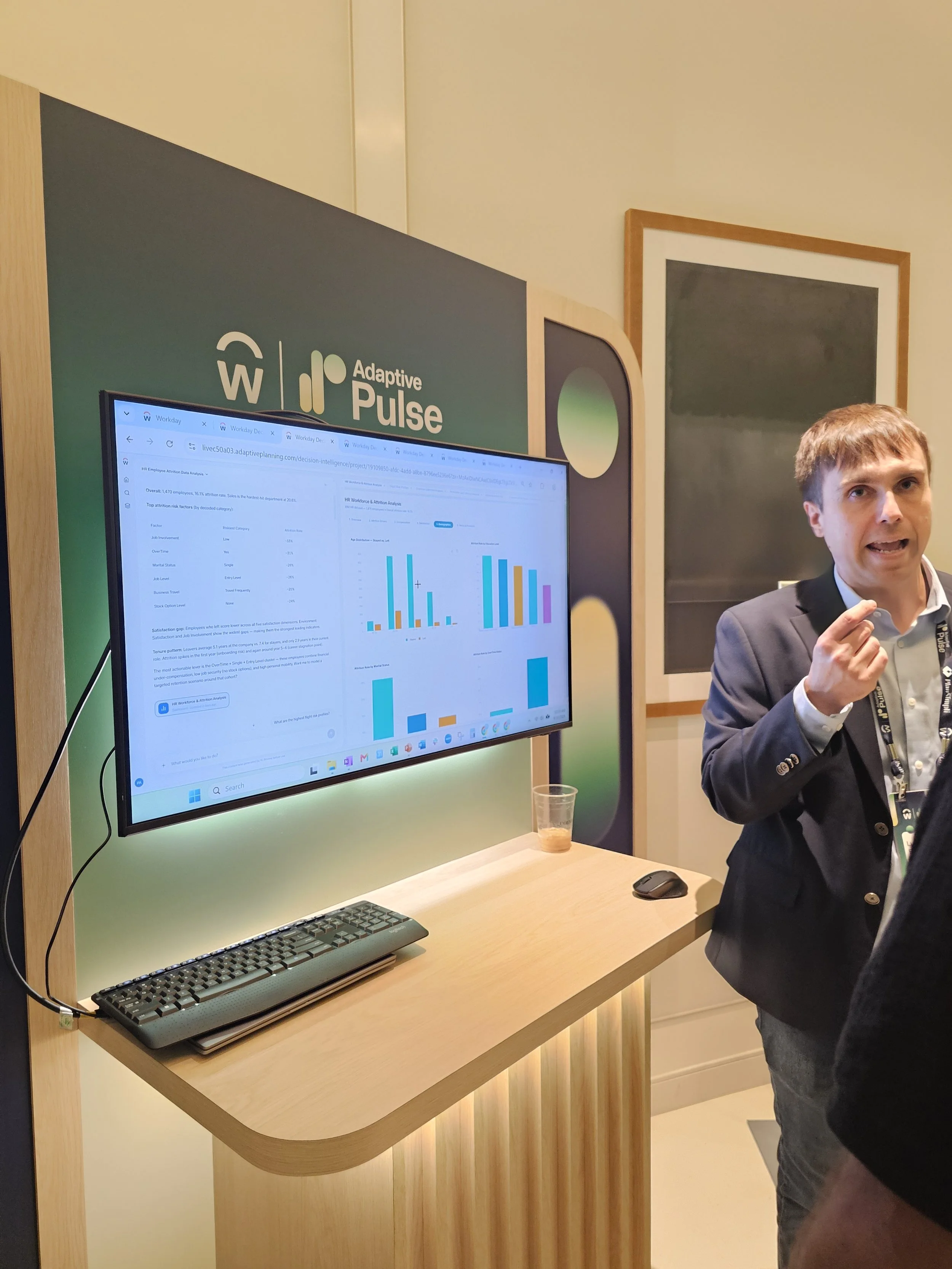
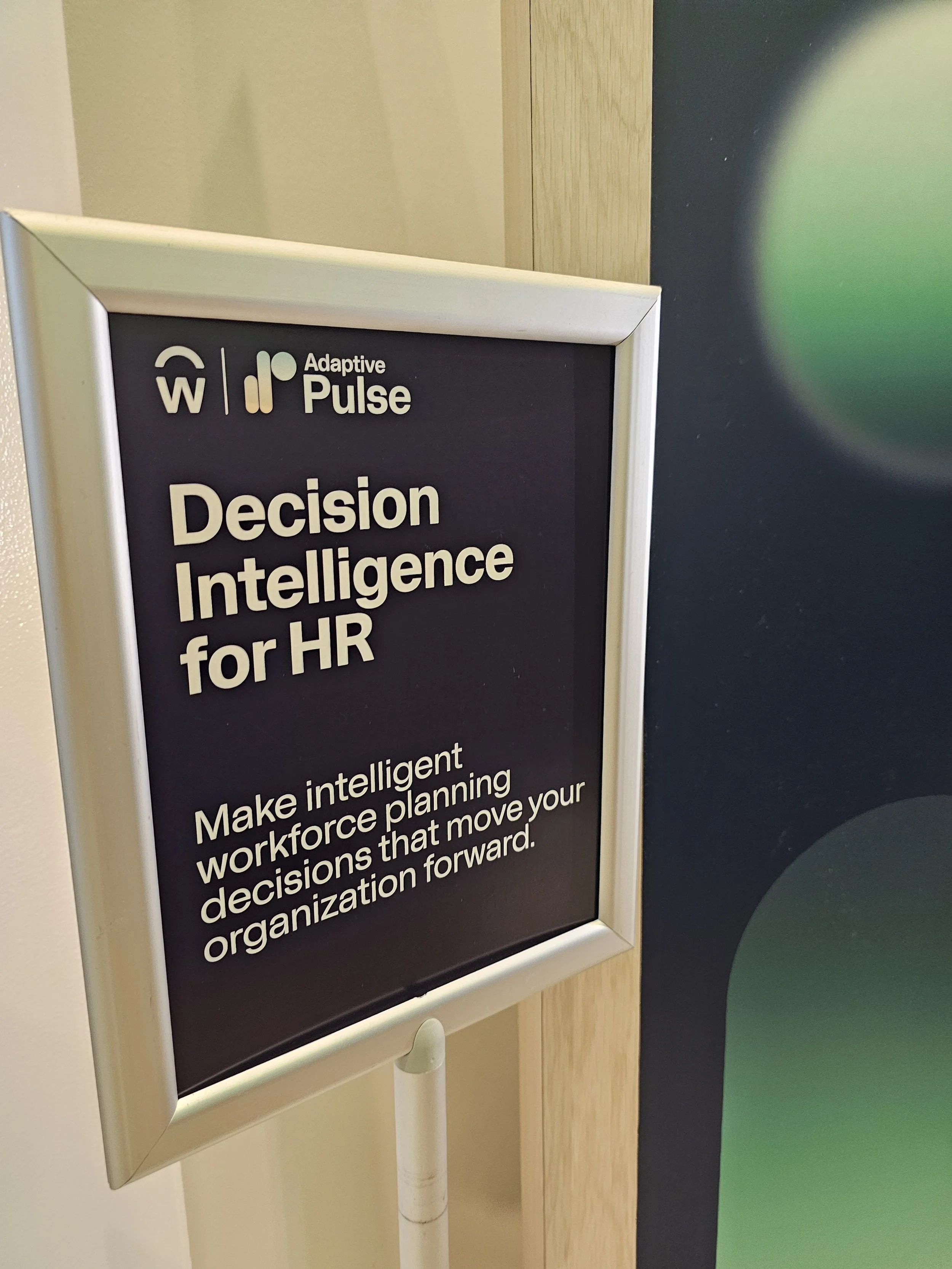
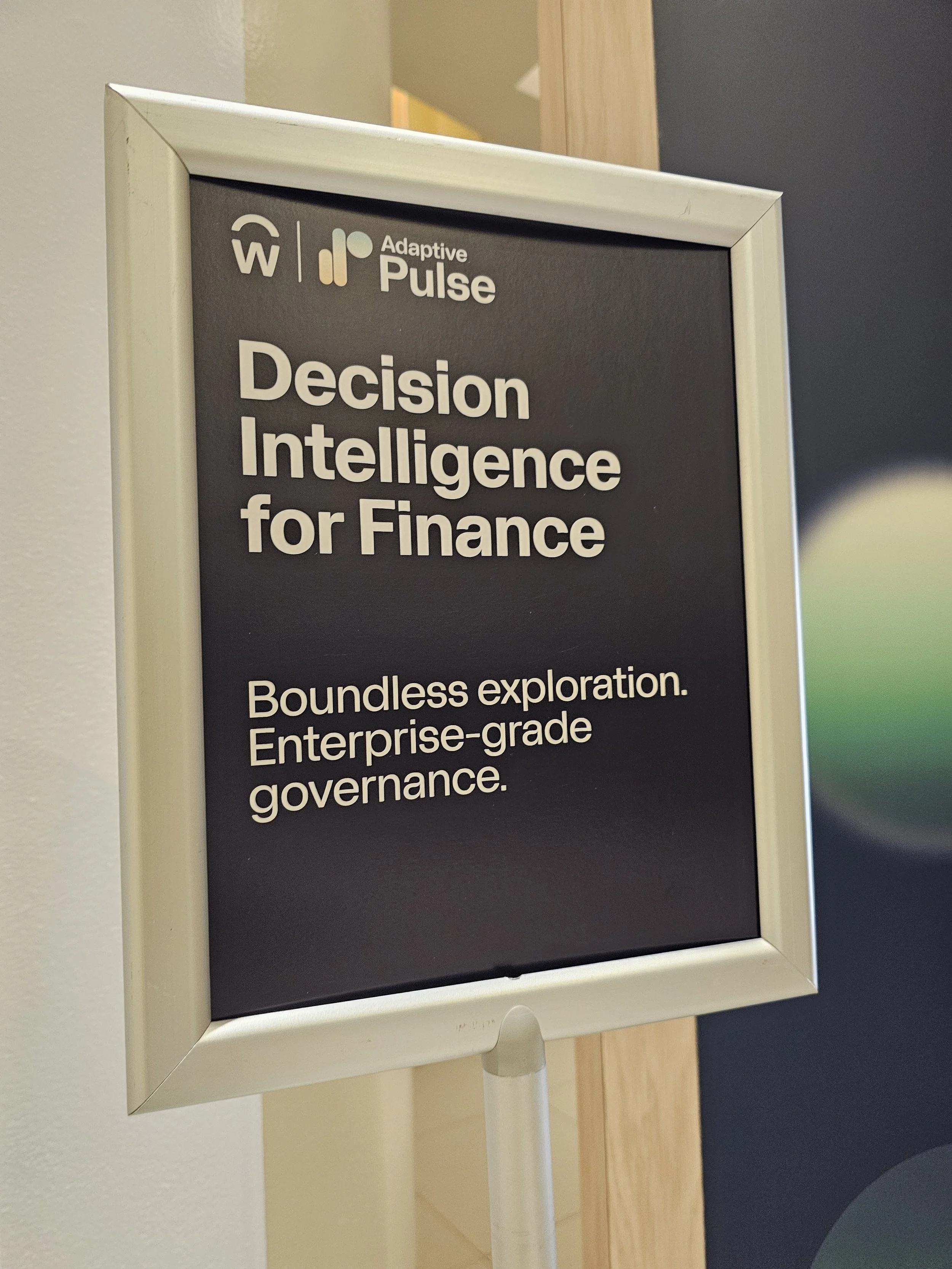
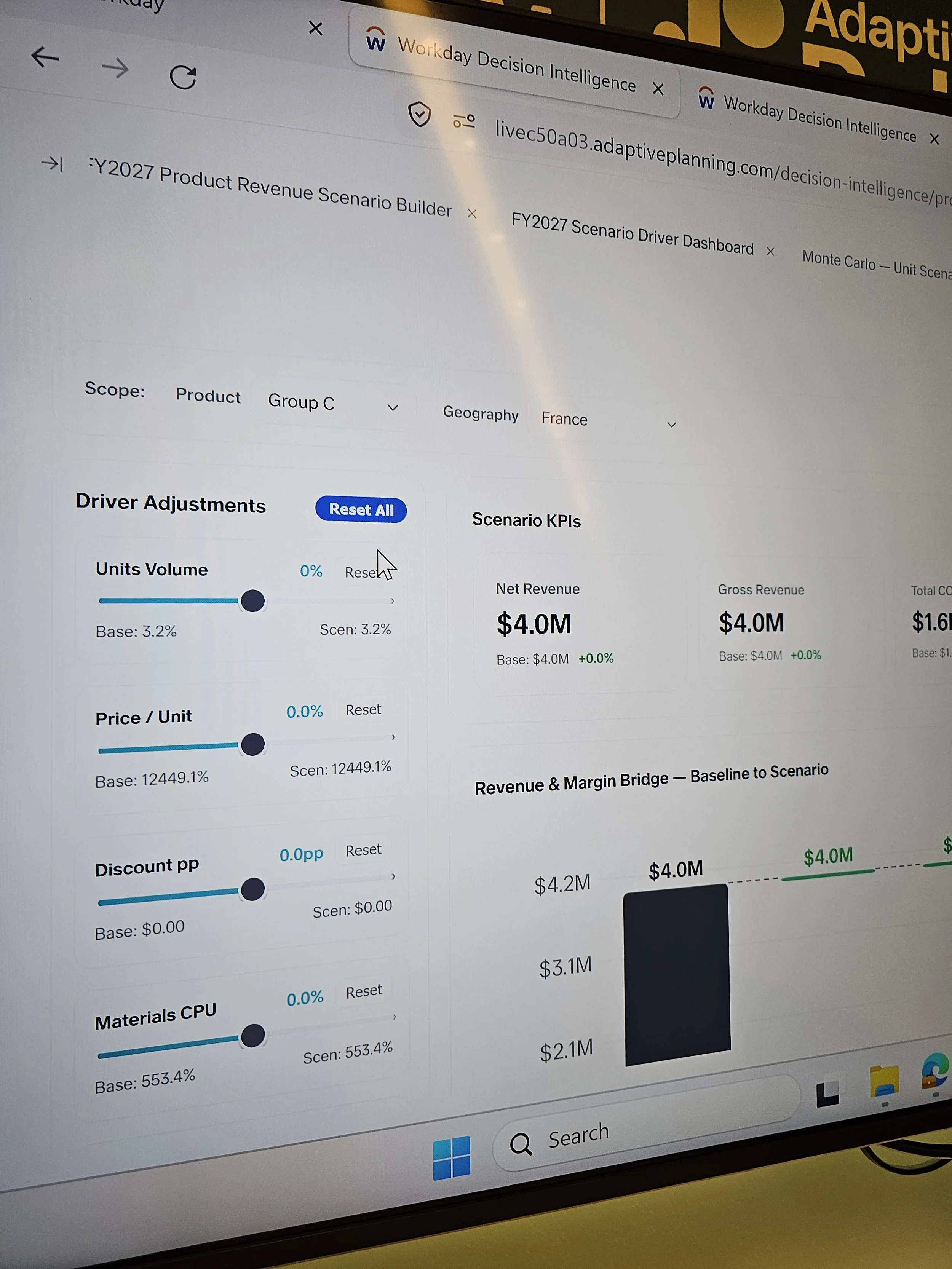
I watched this play out at the Decision Intelligence for HR station. The demo worked through an employee attrition analysis: it ranked the biggest risk factors, such as overtime, job level and business travel, and charted where leavers clustered. Then it offered to model a targeted retention scenario for the highest-risk group. Analysis turning into a plan you can test is exactly the Analyze-to-Act step.
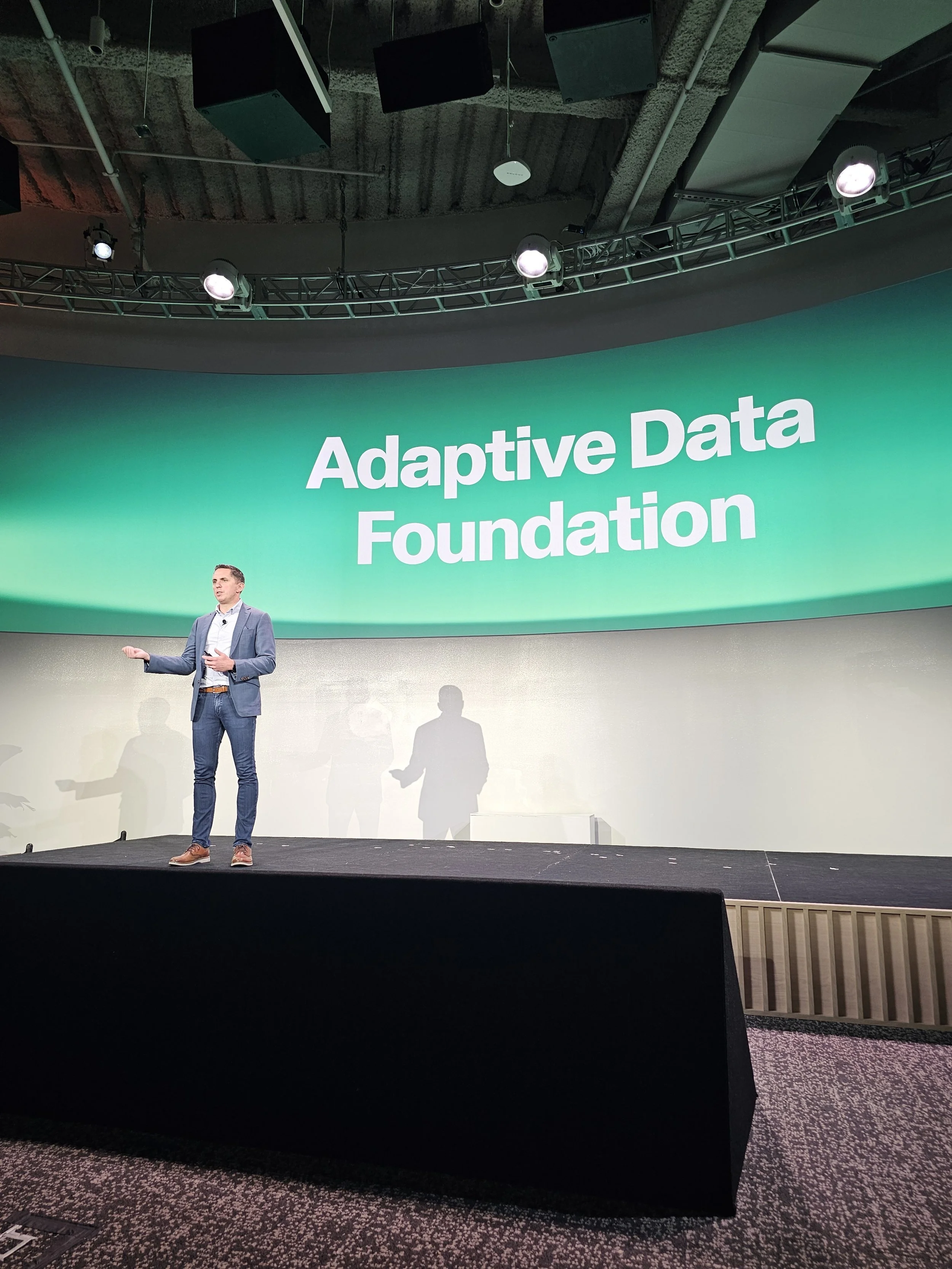
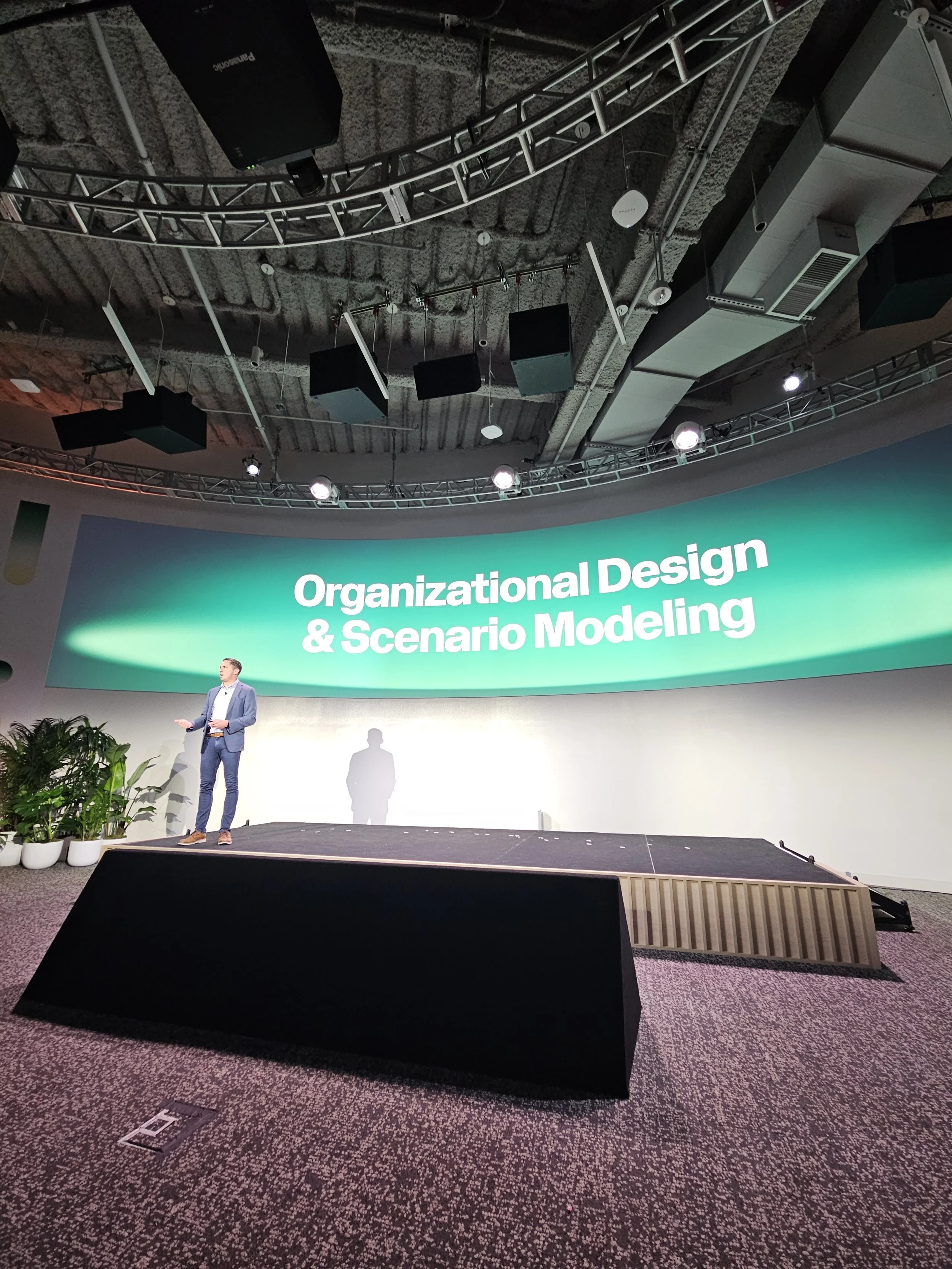
Importantly, this isn't roadmap. Decision Intelligence is already in market, and new capabilities ship every Monday, and a Snowflake connector had just launched, with three more connectors due that week. Everything else Workday showed from the past year is live too: planning hubs, which more than 2,000 customers are already building, advanced workflows, shared scenarios, Slack, Teams and Google Workspace integration, OfficeConnect, organisational design and scenario modelling, the Adaptive Data Foundation, built with Incorta, and MCP support for connecting Adaptive to external AI tools.
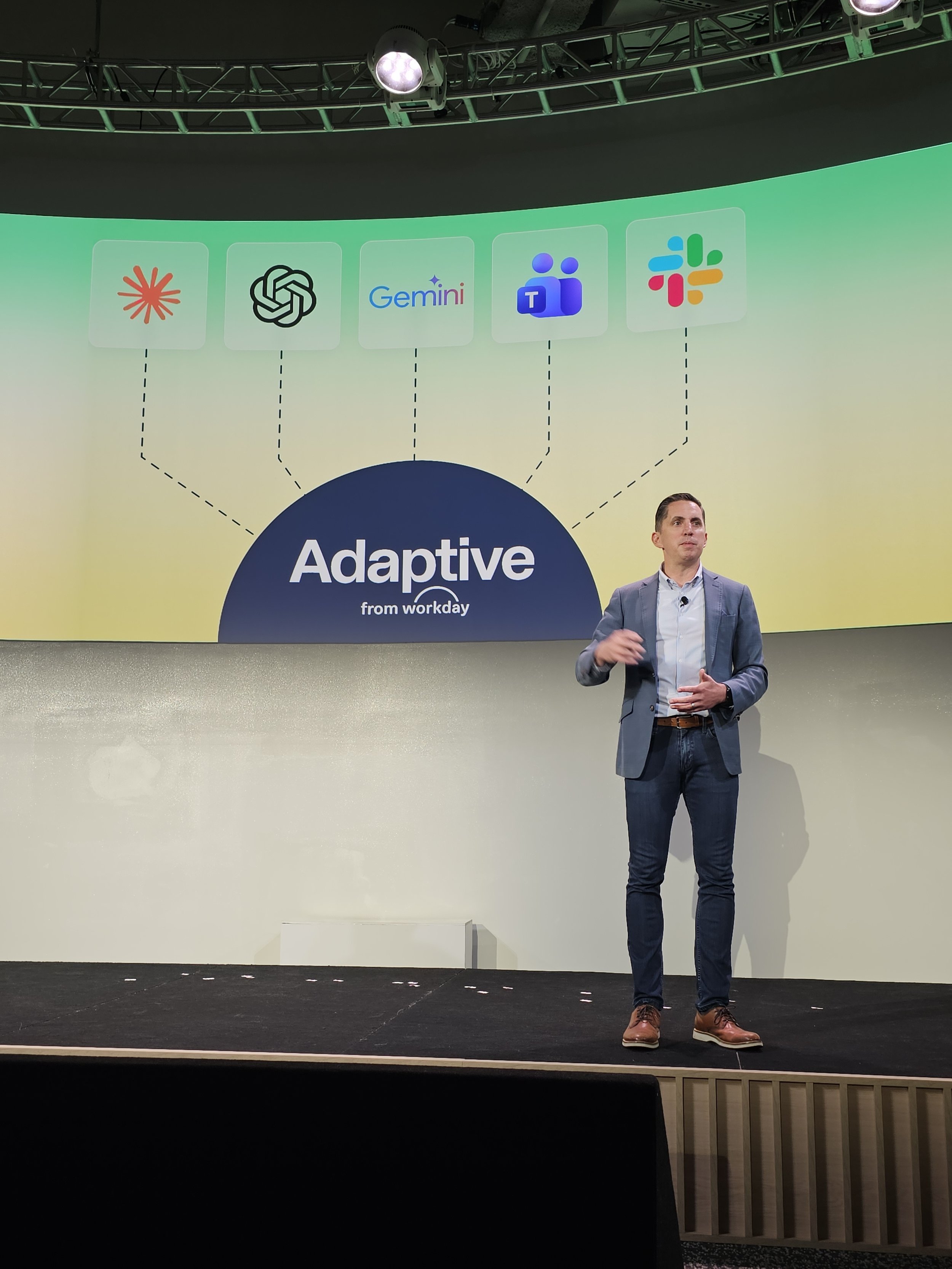
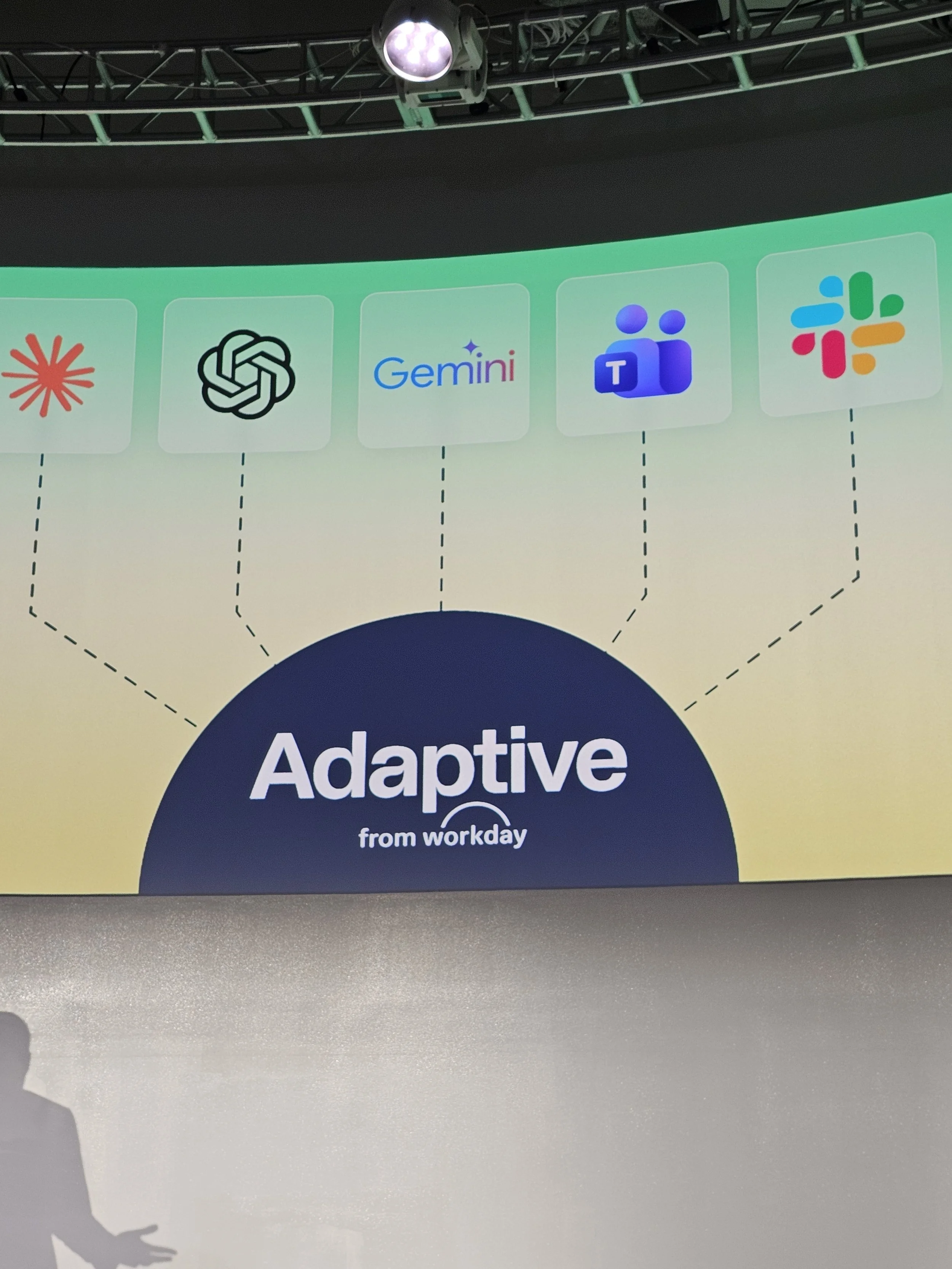
One keynote slide summed up that last point. It showed Adaptive at the centre, connected to Claude, ChatGPT, Gemini, Microsoft Teams and Slack. Finance teams can work with the plan from the tools they already use.
4. The customer panel: why some teams scale and others stall
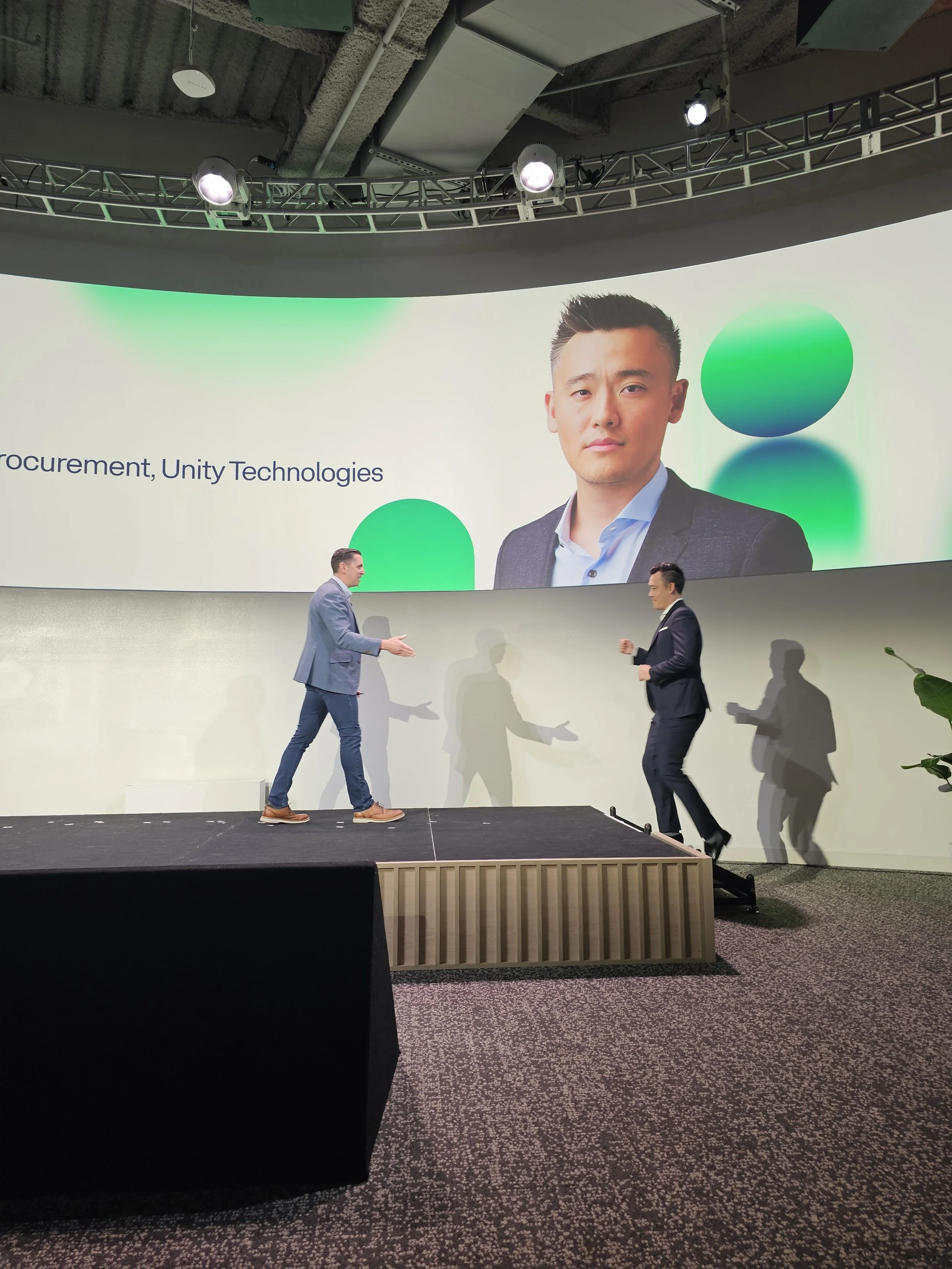
The customer stories were the heart of the day. James Choi of Unity Technologies and Sarah Samudio of AWS each took the main stage in the morning, then came back in the afternoon to compare notes on a panel.
Unity Technologies: a demo is not a process
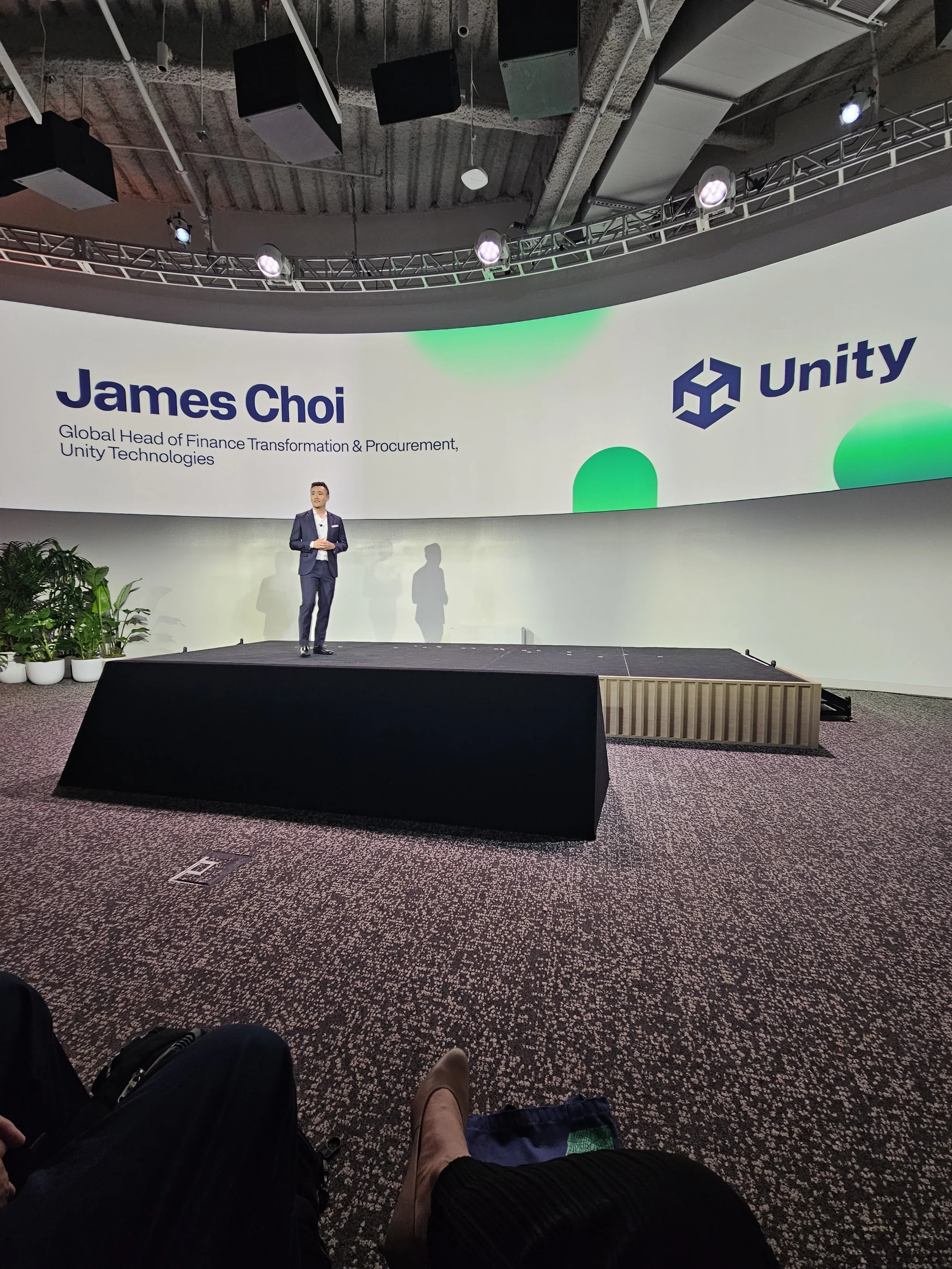
My favourite customer story came from James Choi, Global Head of Finance Transformation & Procurement at Unity Technologies.
For a finance town hall, his team built a live demo that combined OfficeConnect with a frontier AI model. It produced a five-year P&L and long-range plan from actuals in minutes. Then came the harder question: could it run reliably every month?
The outputs needed ongoing validation. Someone had to maintain it. It had to sit inside financial controls. And AI consumption costs had to make sense at monthly scale.
Building an impressive AI demonstration is not the same as operationalising AI. An enterprise solution has to work every cycle, across many users, changing assumptions and new data.
James sees Decision Intelligence helping close that gap, starting with revenue variance analysis and a leaner monthly outlook. His bigger point applies to everyone: token consumption and predictable pricing need weighing against productivity gains. A technically impressive solution that doesn't make commercial sense won't last.
Heading into planning season, James was wary of consumption-based token pricing. That is why he valued the predictability of Adaptive's Flex Credit model.
He closed with the line of the day: "AI has made ordinary free, and we're about to head into the age of exceptionalism."
AWS: planning at scale
Sarah Samudio, a senior leader at AWS, described how AWS moved its planning to Adaptive three years ago, starting with headcount planning for more than 20,000 employees.
She opened with an early Amazon story. The team was packing boxes on the floor, and when money finally came in, someone suggested ordering knee pads. Why not just buy tables? "Three years ago," Sarah said, "we found our table. That was Adaptive."
For some teams, model runtime has dropped from 10 hours to around two minutes. The time saved matters less than what it enables: teams can now model outcomes as often as they need to, not once a cycle.
Sarah also talked about linking workforce plans to operational and customer data, so headcount is modelled against capacity, cost and demand rather than as an isolated finance exercise. Her caution: AI can help find and fix data inconsistencies, but it doesn't replace sound data architecture, governance and validation.
Next on her list: combining customer data signals with Decision Intelligence to predict churn and time investment decisions.
The panel: what's working, and what isn't
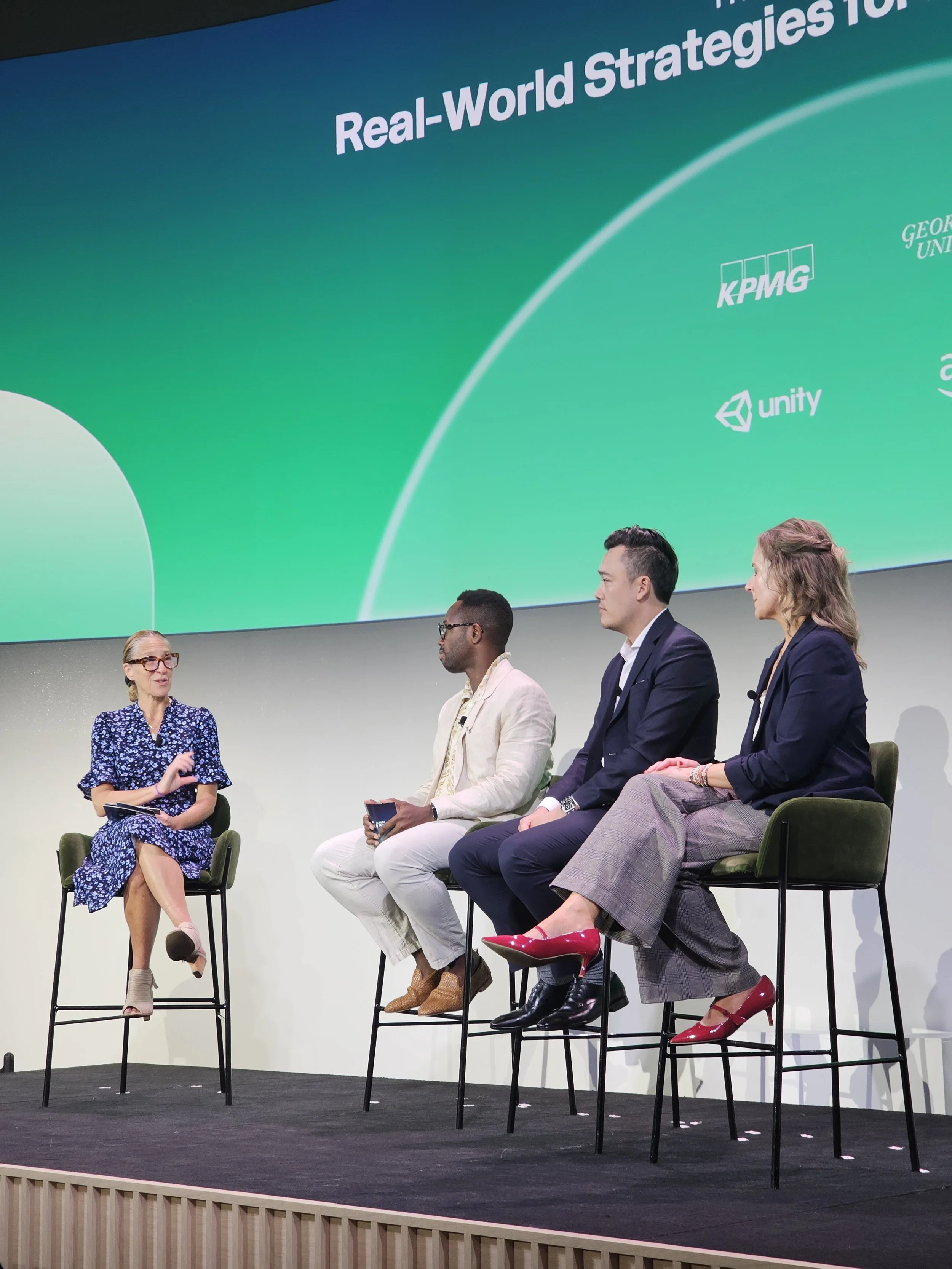
Unity and AWS joined KPMG and Georgetown University on a panel called "The Decision Engine: Real-World Strategies for High-Velocity Finance". It was the most candid session of the day.
Where AI is already working was refreshingly practical. Sarah described using AI to match customer identifiers that finance, Salesforce and internal systems each tag and number differently. Her team also uses it to monitor integration fallout, cutting days of troubleshooting to about an hour. "And we have a record too," she added, "so now we know what fell out."
James named three things that separate teams that scale from those stuck in pilots:
Adoption. Getting FP&A past "I like my 50-tab spreadsheets" resistance.
Hands-on finance. The best FP&A people get into the weeds of the systems, blurring the line between finance and technology.
Not chasing perfection. If a tool does 80% of the job well, don't run another RFP for a 3–5% gain.
Data came up again and again. "Our data was terrifying," Sarah admitted. Moving to Adaptive exposed years of tech debt and band-aid fixes. At Unity, James spent his first six months on the unglamorous work. Integration errors dropped from more than 300 a day to one or two, ledger and cost centre hierarchies were rebuilt, security groups were cleaned up and unused reports retired, all before going anywhere near a frontier model.
The panel was just as frank about the risks:
Cognitive surrender. Sarah worries newer professionals won't build analytical skills if they hand their thinking to AI. Her advice: don't just trust it, push back.
Token economics. James's example: replace a 10-person offshore AP team with an AI agent and you may cut headcount but increase costs. "You don't have to take the Ferrari to Costco."
Security and governance. Role-based access and segregation-of-duties controls don't yet translate to frontier models, and a model's move from zero-day to 30-day data retention sent Unity back to legal review. AWS's security team took eight months to clear Adaptive.
Auditability. Sarah has seen people bypass standard tools to model with AI, only to find the results couldn't be reproduced or traced back to their assumptions.
The closing advice stuck with me. Clarence from Georgetown urged everyone to get comfortable being uncomfortable. Sarah's advice was to jump in and build muscle memory. And James reminded the room not to assume they're behind: a frontier AI company he'd met had just gone live on the same systems everyone else uses.
5. Your edge when everyone has AI
If every company has access to the same AI, the advantage shifts elsewhere: to your people's skills, to how you organise work, and to what competitors can't copy. Three sessions came at this from different angles.
Finance gets faster and deeper
Patrick Hoynes (Workday) and Dan Siegel (Deloitte) discussed Workday's own finance transformation. Their view: the finance business partner's role isn't changing. Finance still provides insight, challenges assumptions and helps the business decide.
What changes is speed and depth. Much of an FP&A cycle goes on gathering, reconciling and formatting data. Modern planning tools and AI can shift that time towards interpreting results, testing scenarios and working with the business. Patrick called it going faster and deeper. Both stressed that process design, leadership alignment and finance capability matter as much as the technology.
Patrick put numbers on the shift. Analysts used to spend most of their time, around 60–70%, gathering and analysing data, with the rest on interpretation and output. The new model is closer to 10% tool-driven analysis and 90% working with the business on capital allocation decisions. That creates its own skills gap: analysts used to pivot tables are now expected to lead business conversations.
Deloitte's Finance Trends survey of more than 1,200 senior finance executives backs this up, with 52% naming FP&A as the function most affected by AI. Patrick's own example was striking. To answer an investor question after Workday's latest earnings, one person analysed data on 10,000 customers across the general ledger and CRM over a single weekend. Before, that level of detail would have been impossible.
Dan's lessons from Workday's own re-implementation will sound familiar to anyone who has run an EPM project. Align leadership on objectives before work begins. Tackle the biggest pain points first rather than boiling the ocean. Expect difficult conversations. And put governance in place to sustain the change after go-live.
Sarah Moir (PwC) took this further: planning should no longer be a finance-owned annual event. The strongest organisations bring finance, HR and operations together around shared assumptions. A forecast built apart from the operational assumptions behind it goes stale fast. A workforce decision made without its financial impact can backfire.
Sarah also shared PwC survey findings from more than 1,000 finance executives: 61% are increasing pay for employees with AI skills, and 86% say AI skills training may be more valuable than an MBA for new hires. Skills, she argued, are becoming the currency of competitive advantage.
Workforce planning becomes work planning
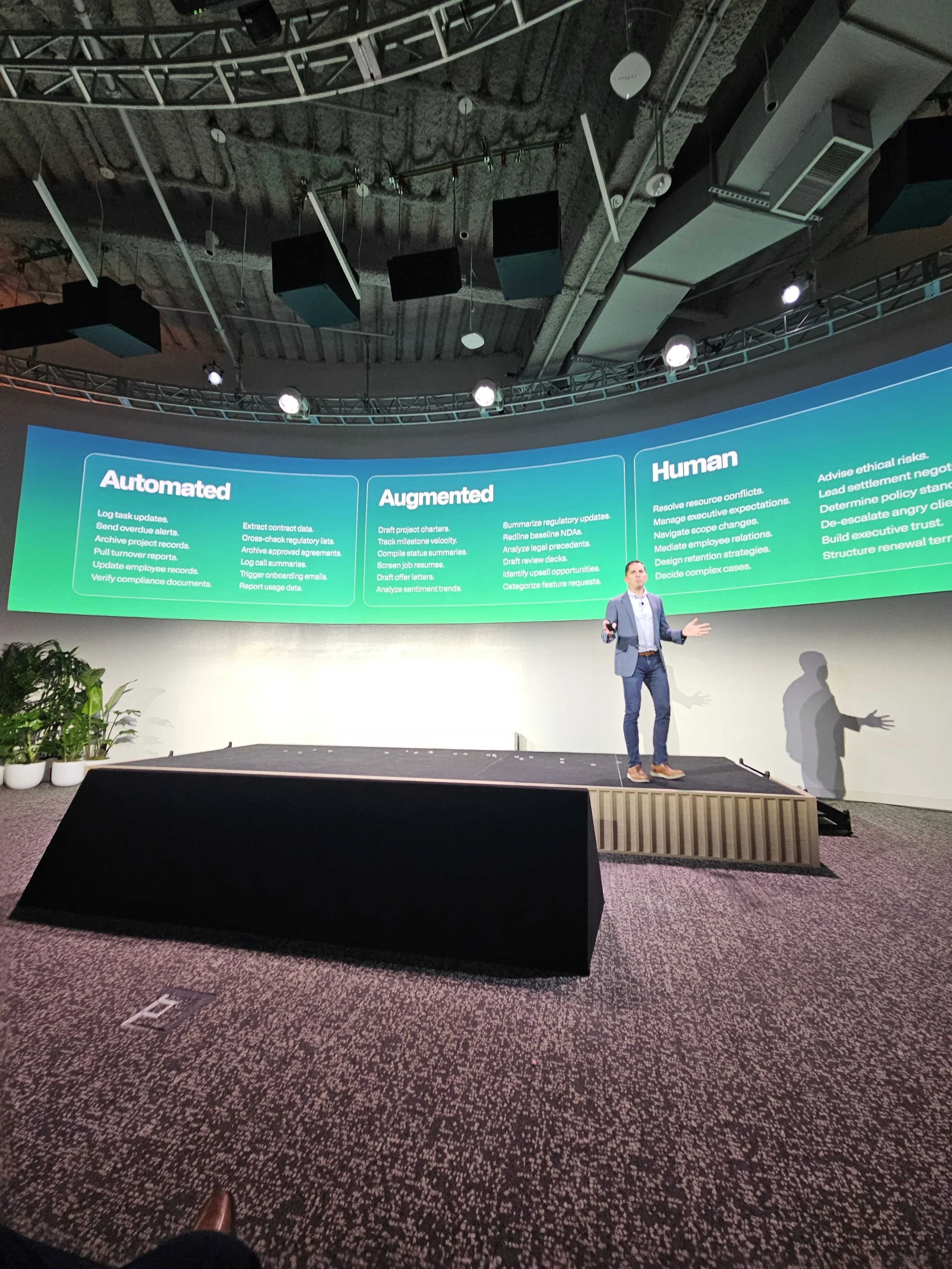
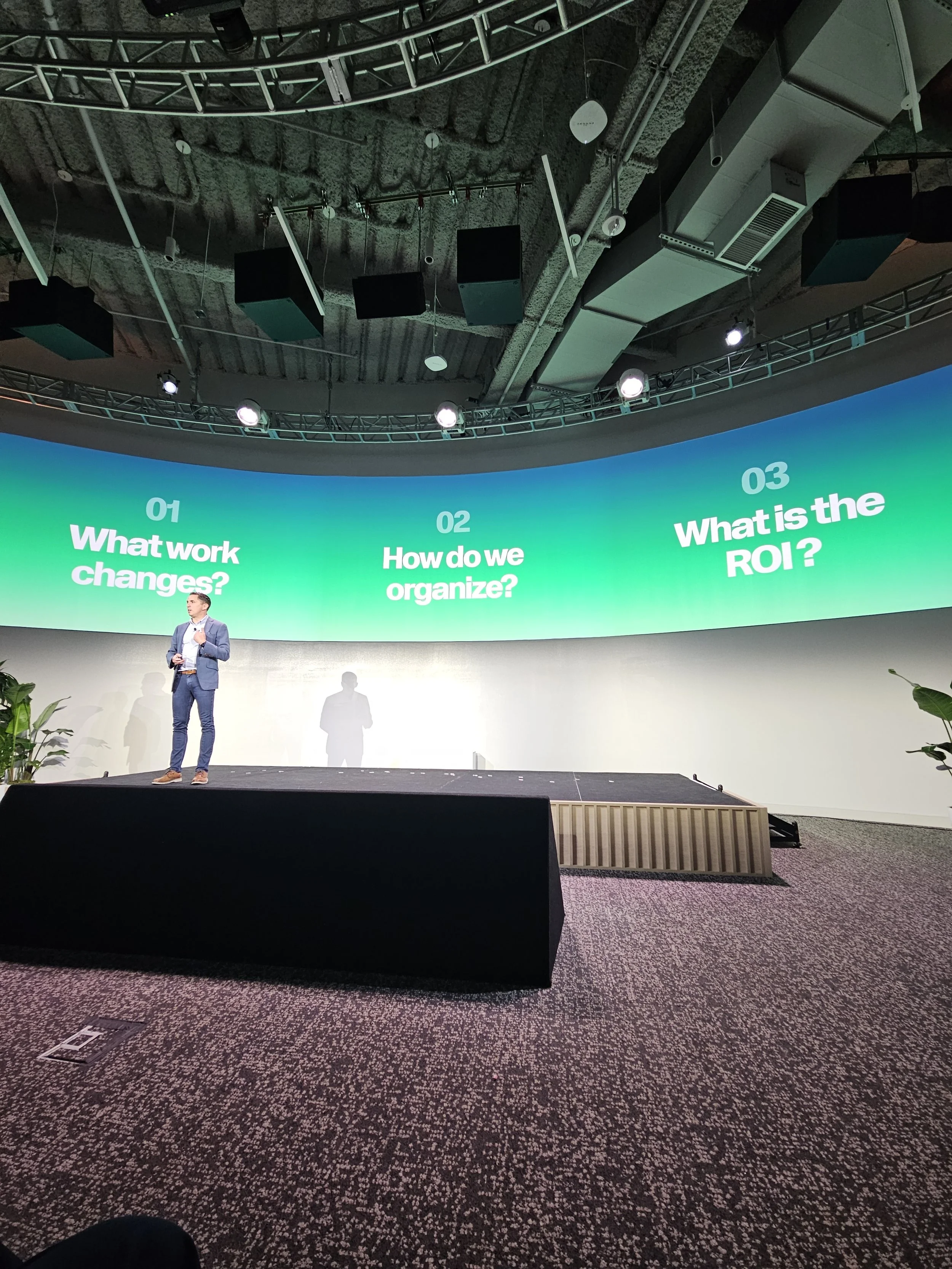
Workforce planning has traditionally meant headcount, roles, salaries and hiring. AI changes the question from "how many people do we need?" to:
What work needs doing?
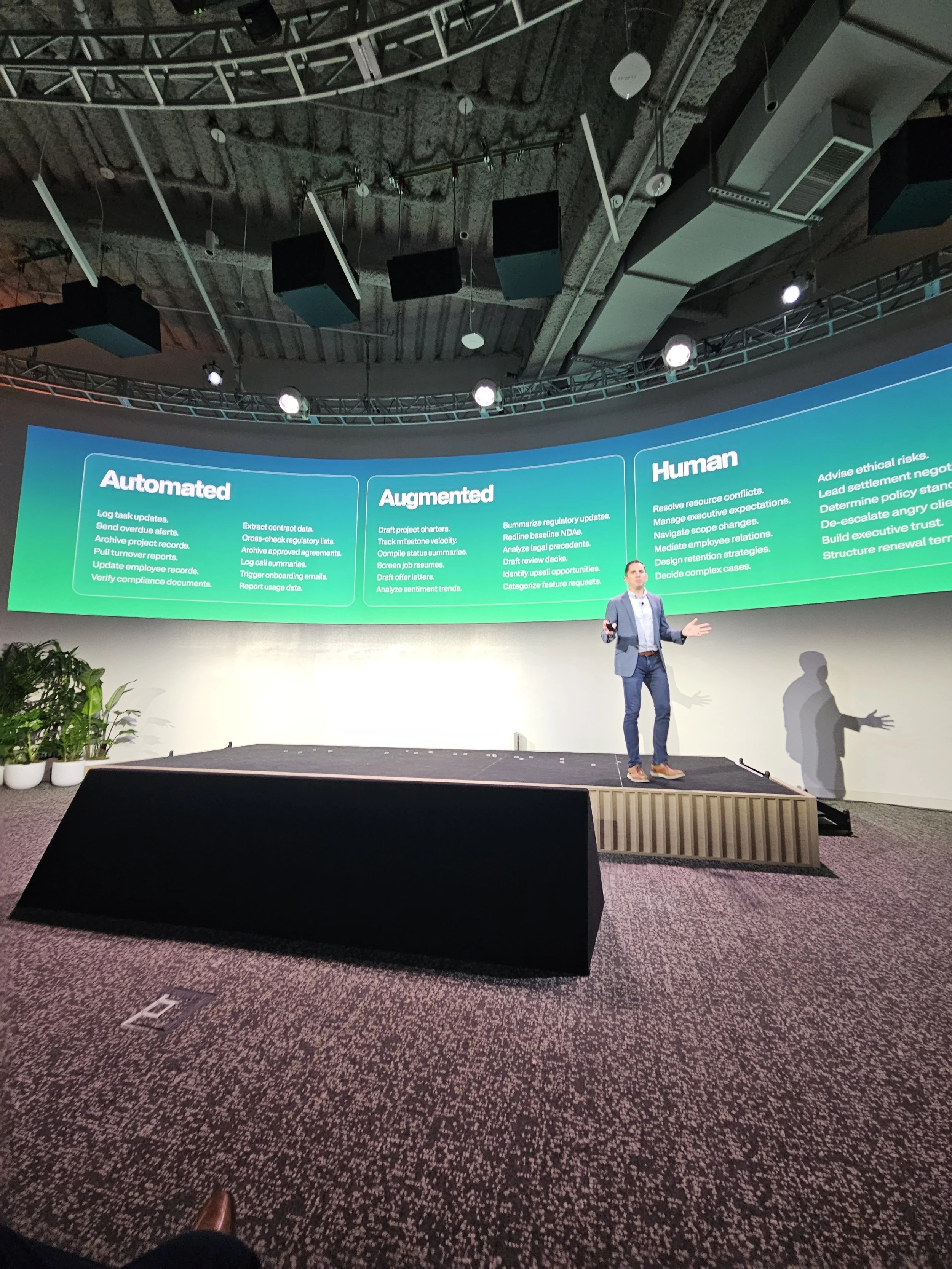
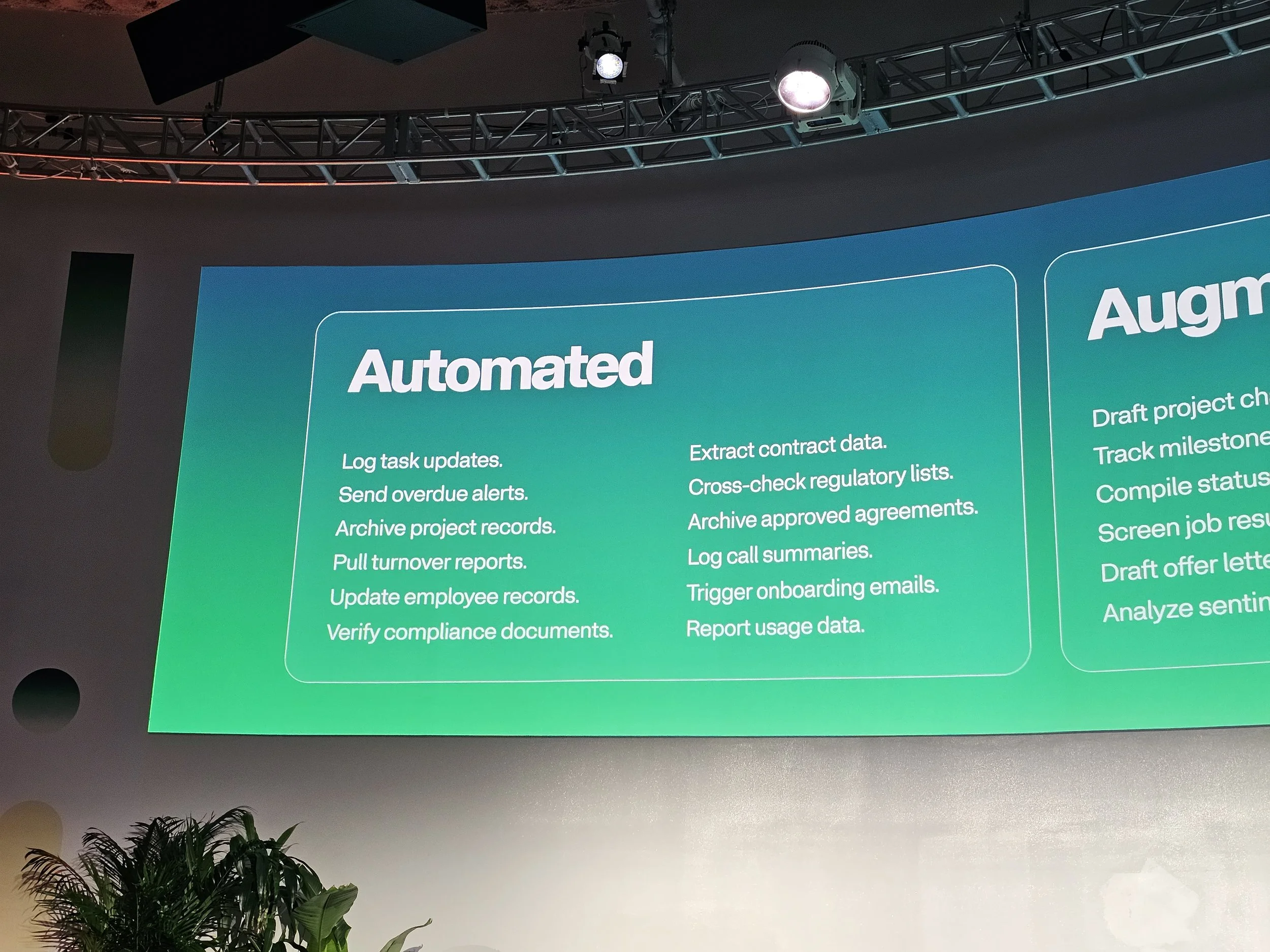
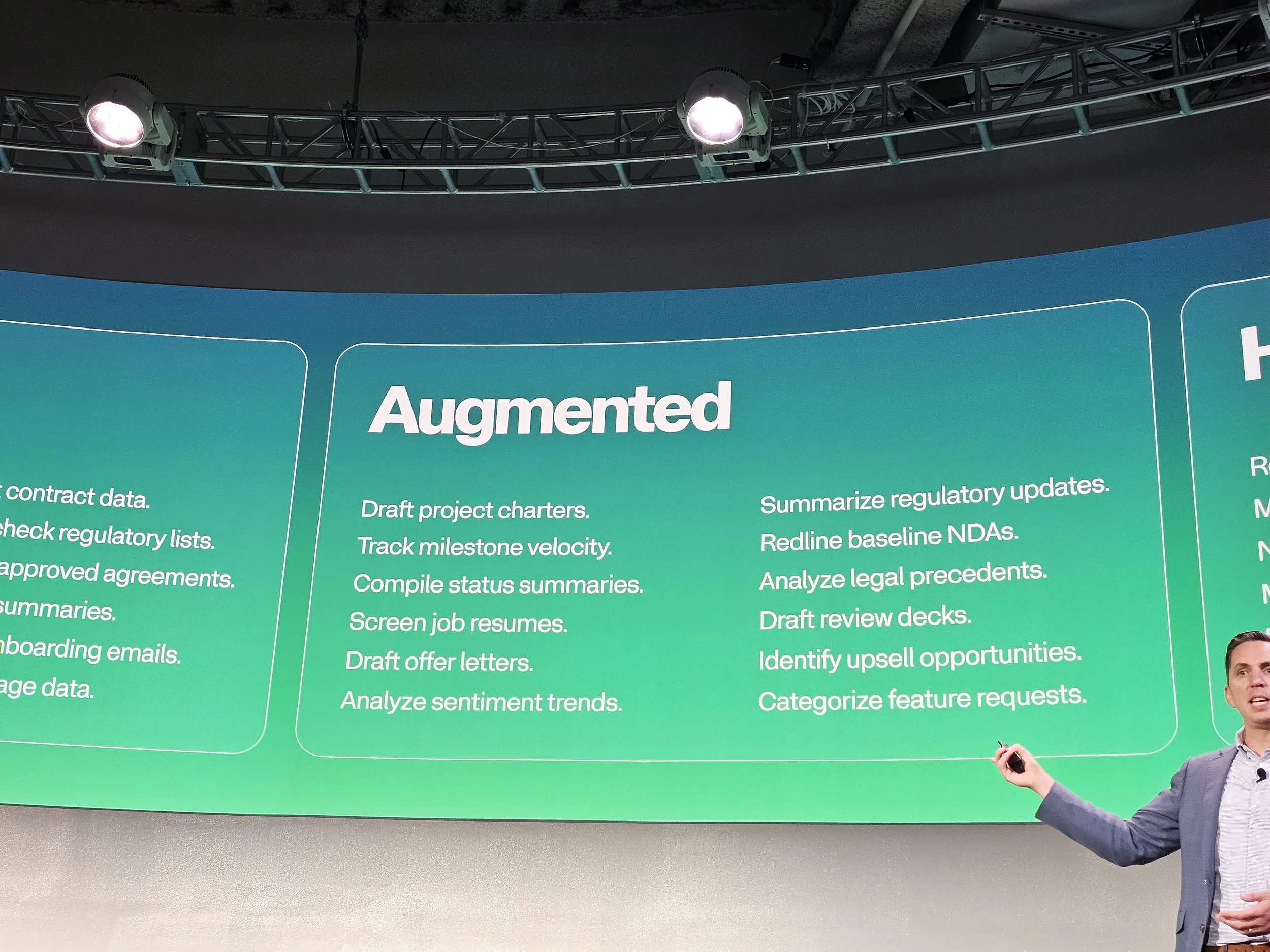
Which tasks can be automated, and which augmented?
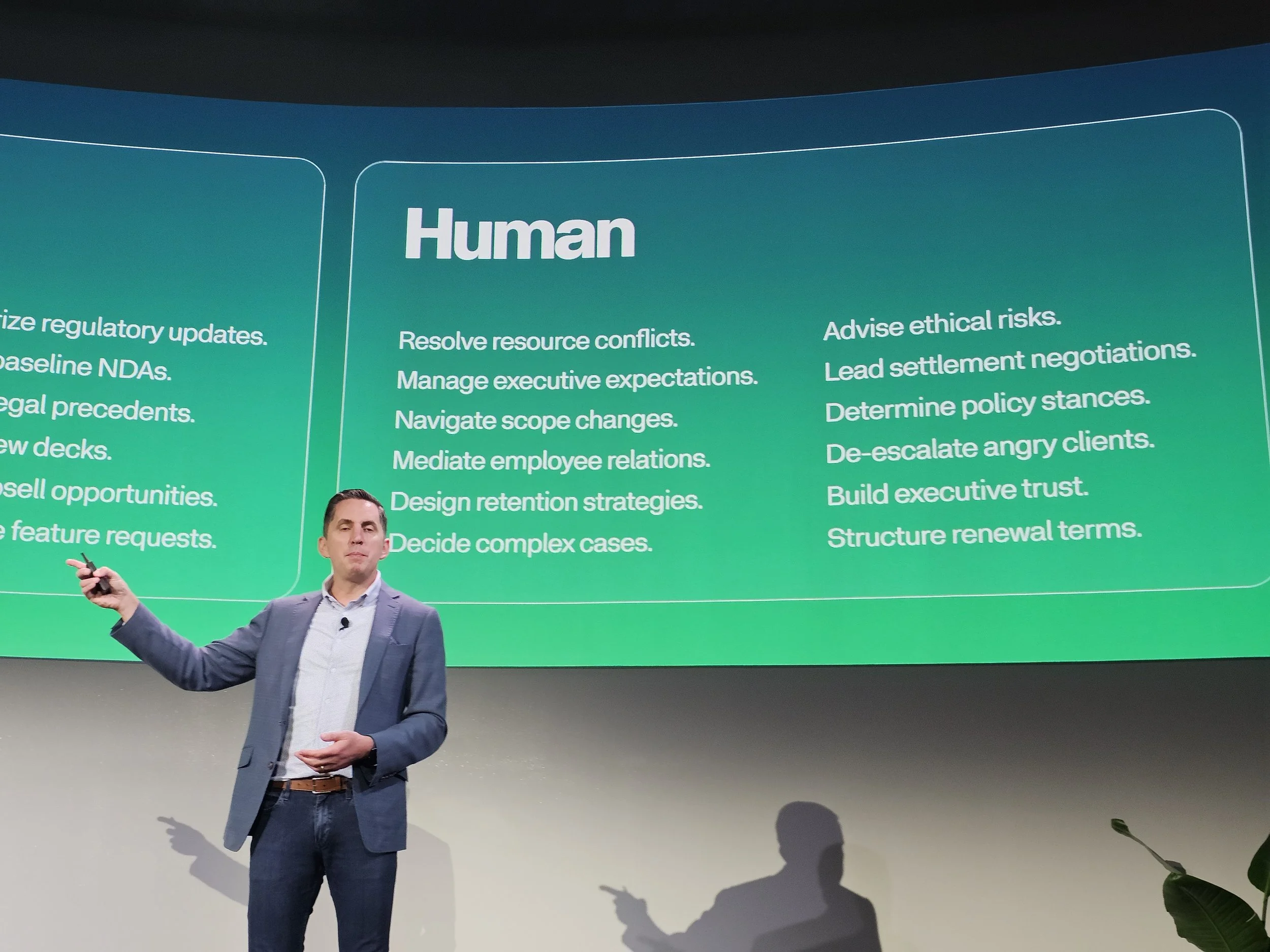
Which need human judgement, relationships or oversight?
What new skills will we need?
How do those changes flow through costs, productivity assumptions and the financial plan?
That is a shift from planning jobs to planning work. Workday's organisational design and scenario modelling give a starting point. But the implications reach well beyond HR, into capital allocation and strategy, which is why these decisions need to connect to the financial plan.
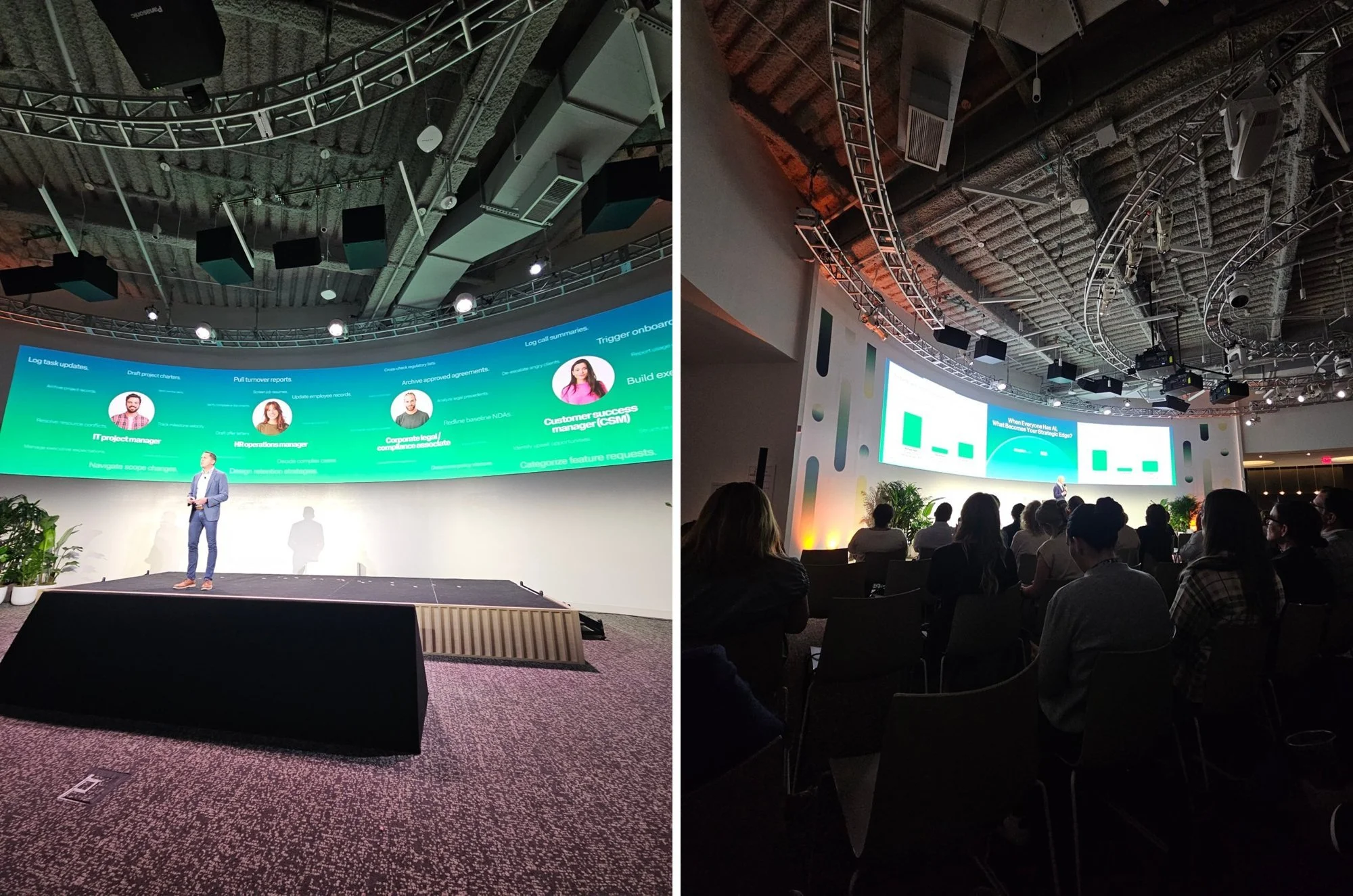
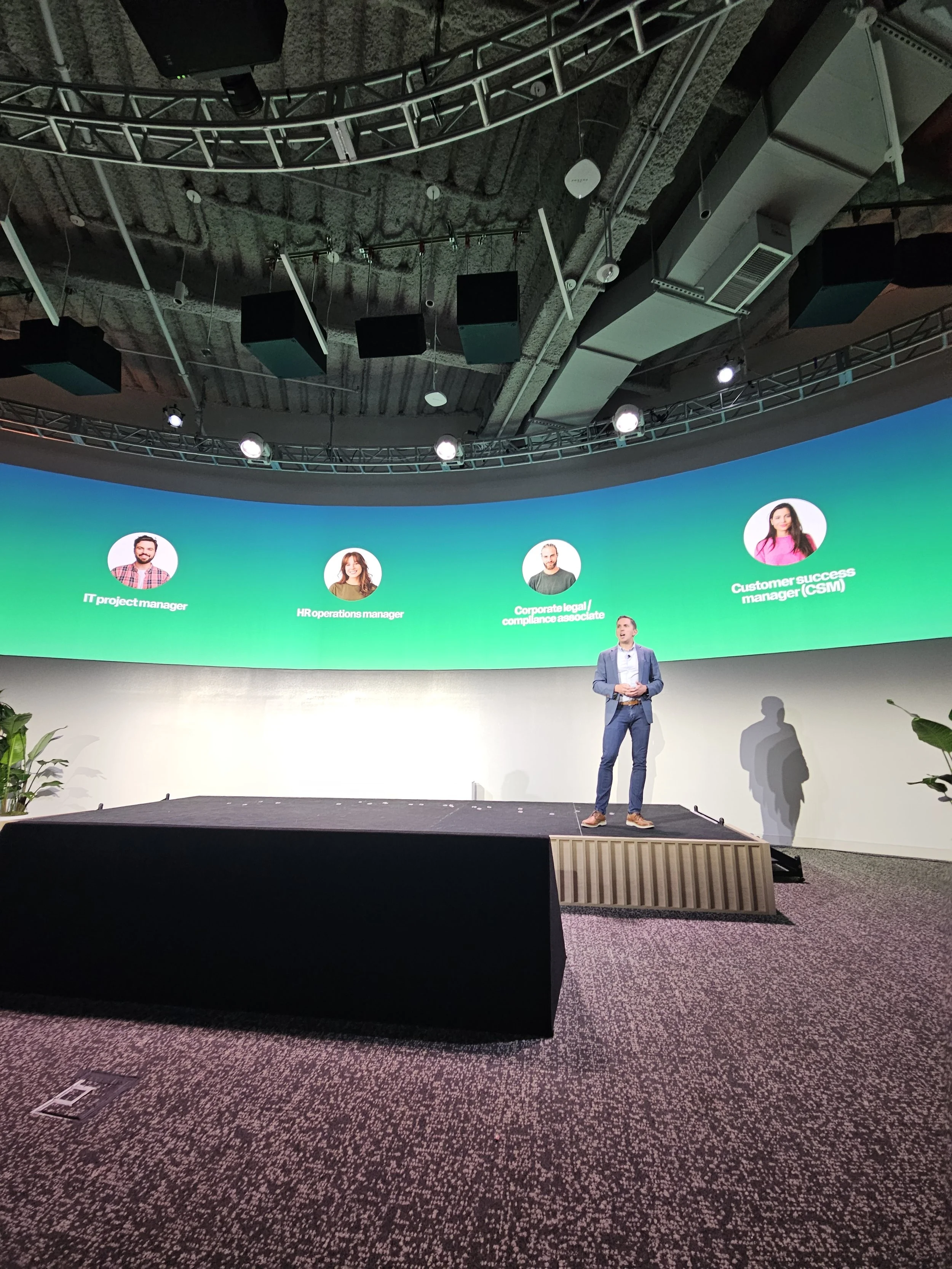
One keynote slide made this concrete. It showed roles such as IT project manager, HR operations manager, legal and compliance associate, and customer success manager, each surrounded by the tasks that make up the job, from pulling turnover reports to redlining NDAs. Seen that way, a role is a bundle of tasks, and each one can be planned on its own.
Workday previewed where it is taking this. Work Intelligence will analyse a whole workforce task by task using HCM data, drawing on partners Rejig and Lightcast as well as Workday's own task ontology. Org Design and Scenario Modeling, launched in March, already lets Workday HCM customers such as Target and Caterpillar redesign their organisation by drag and drop, with costs visible as they go. Decision Intelligence for HR then connects those workforce decisions to the financial plan. The full Work Intelligence announcement was slated for Workday Rising in October.
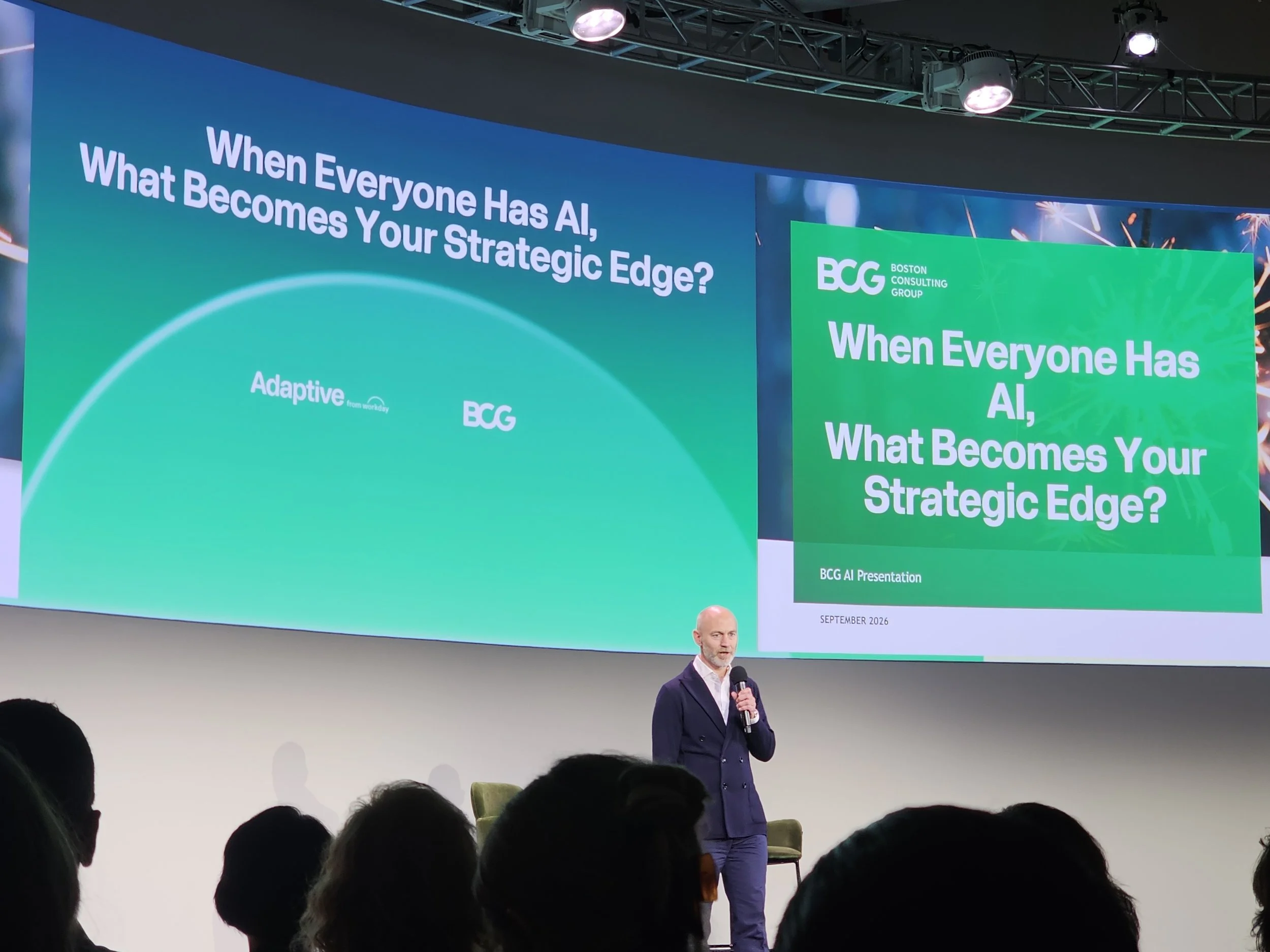
BCG: when everyone has AI, what becomes your strategic edge?
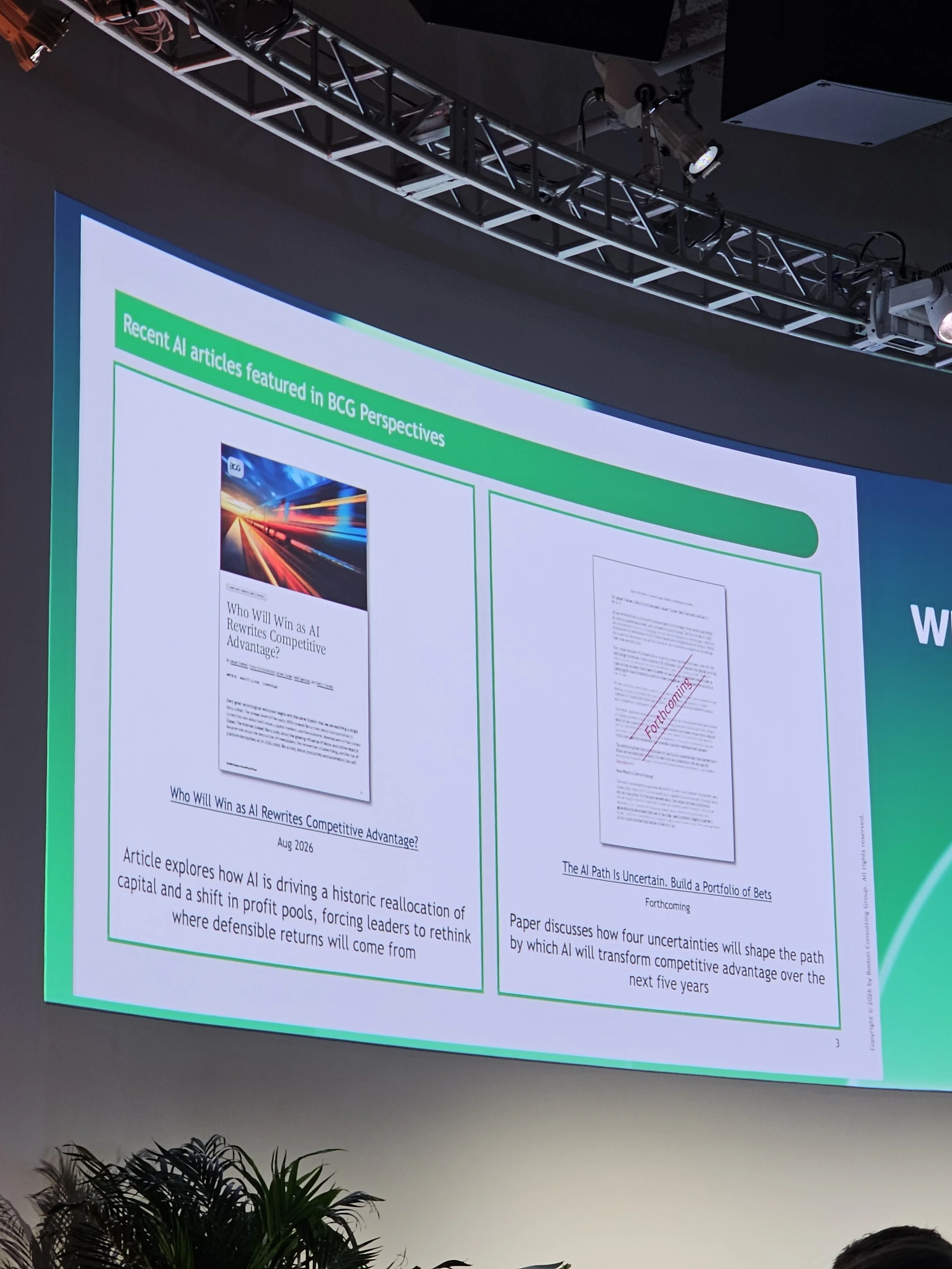
That was the question posed by Ketil Gjerstad of Boston Consulting Group. As powerful models become widely available, simply using AI stops being an advantage. What differentiates you is what others can't copy: proprietary data, customer relationships, operating model, scale, and the quality of your decisions.
His point on scenario planning stuck with me. A few genuinely different, well-considered scenarios are worth more than hundreds of AI-generated ones. The aim isn't volume. It is knowing which decisions matter, which assumptions could break, and how you would respond. AI speeds that up, but context and judgement still do the work.
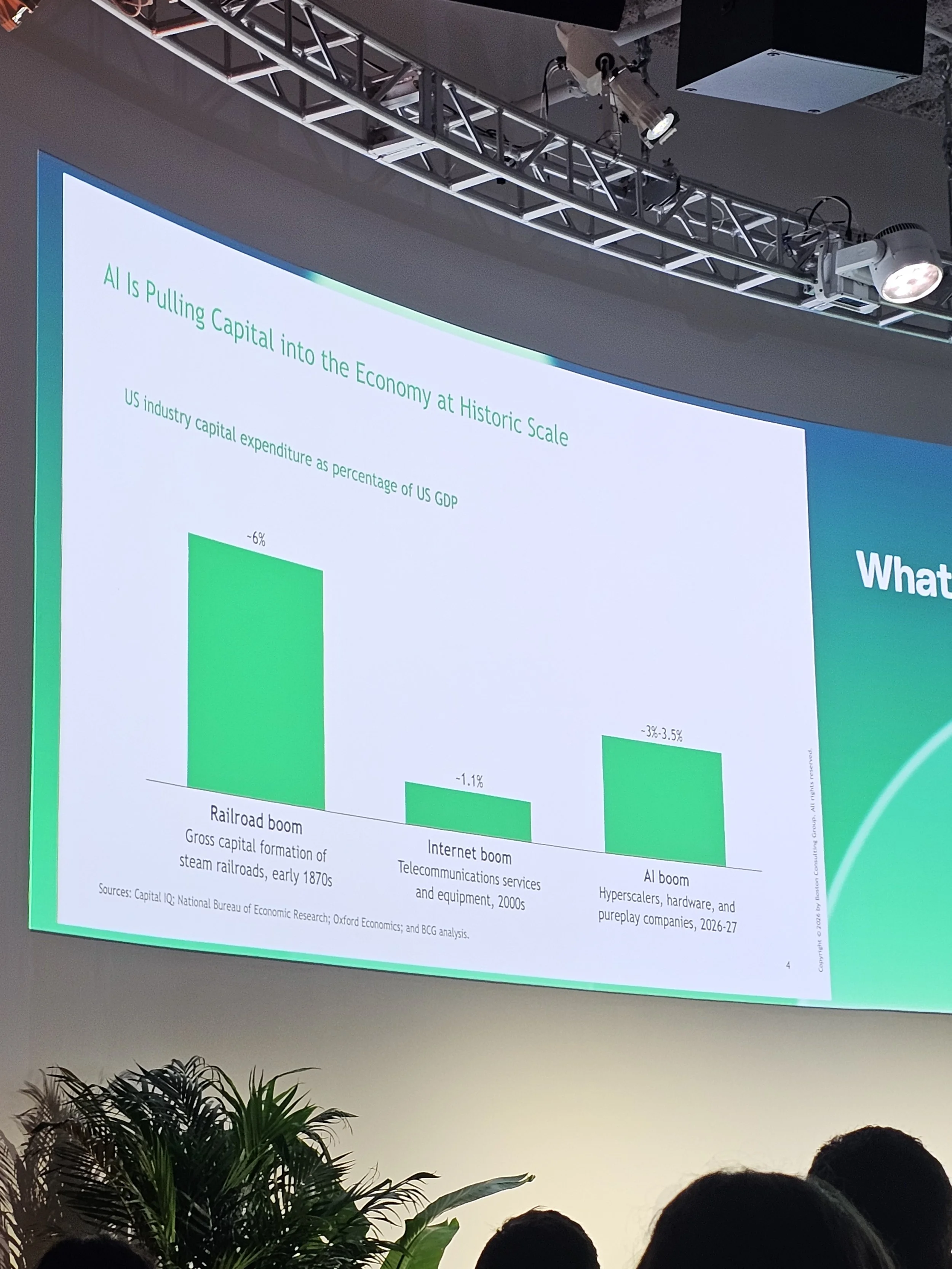
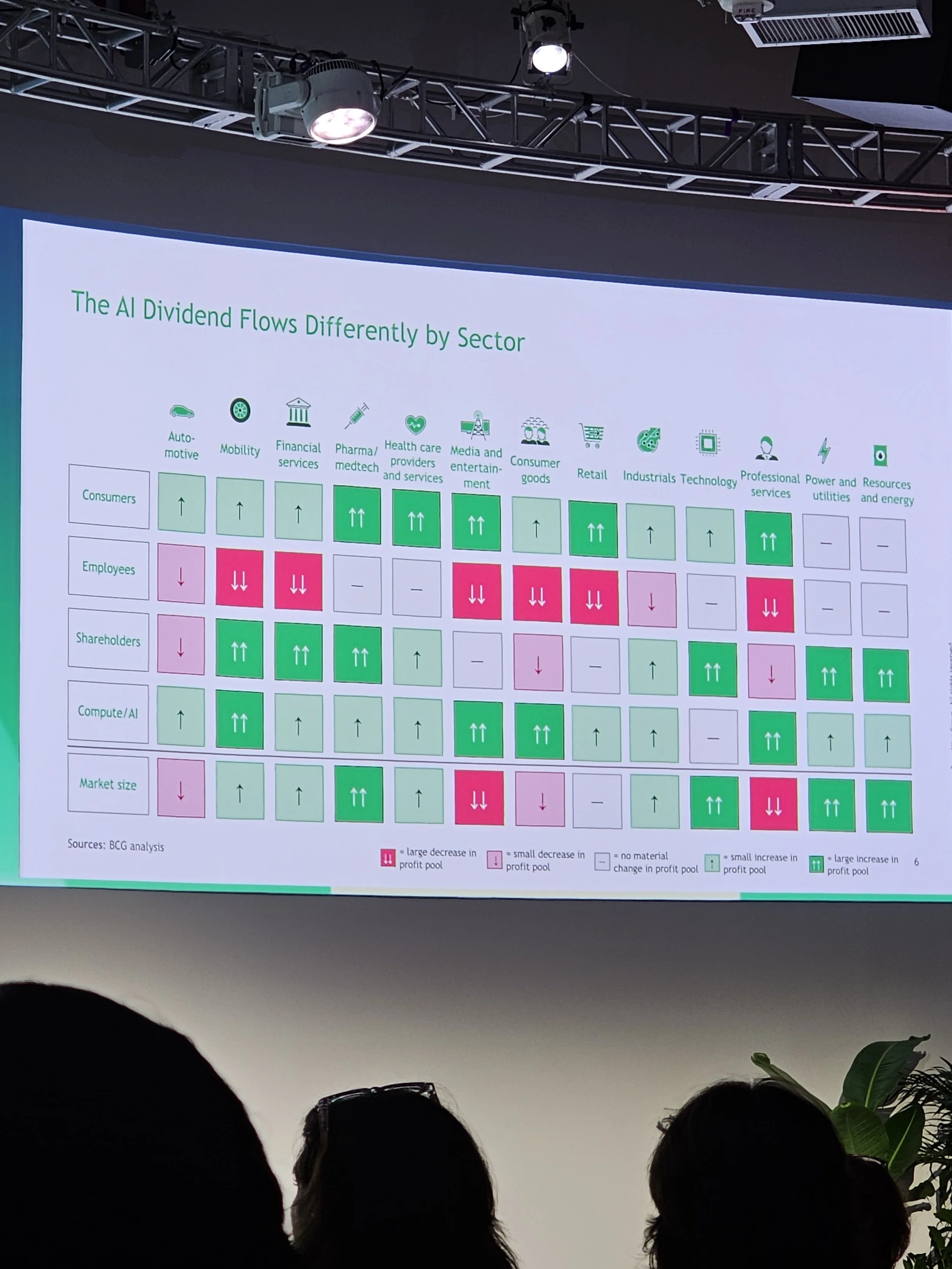
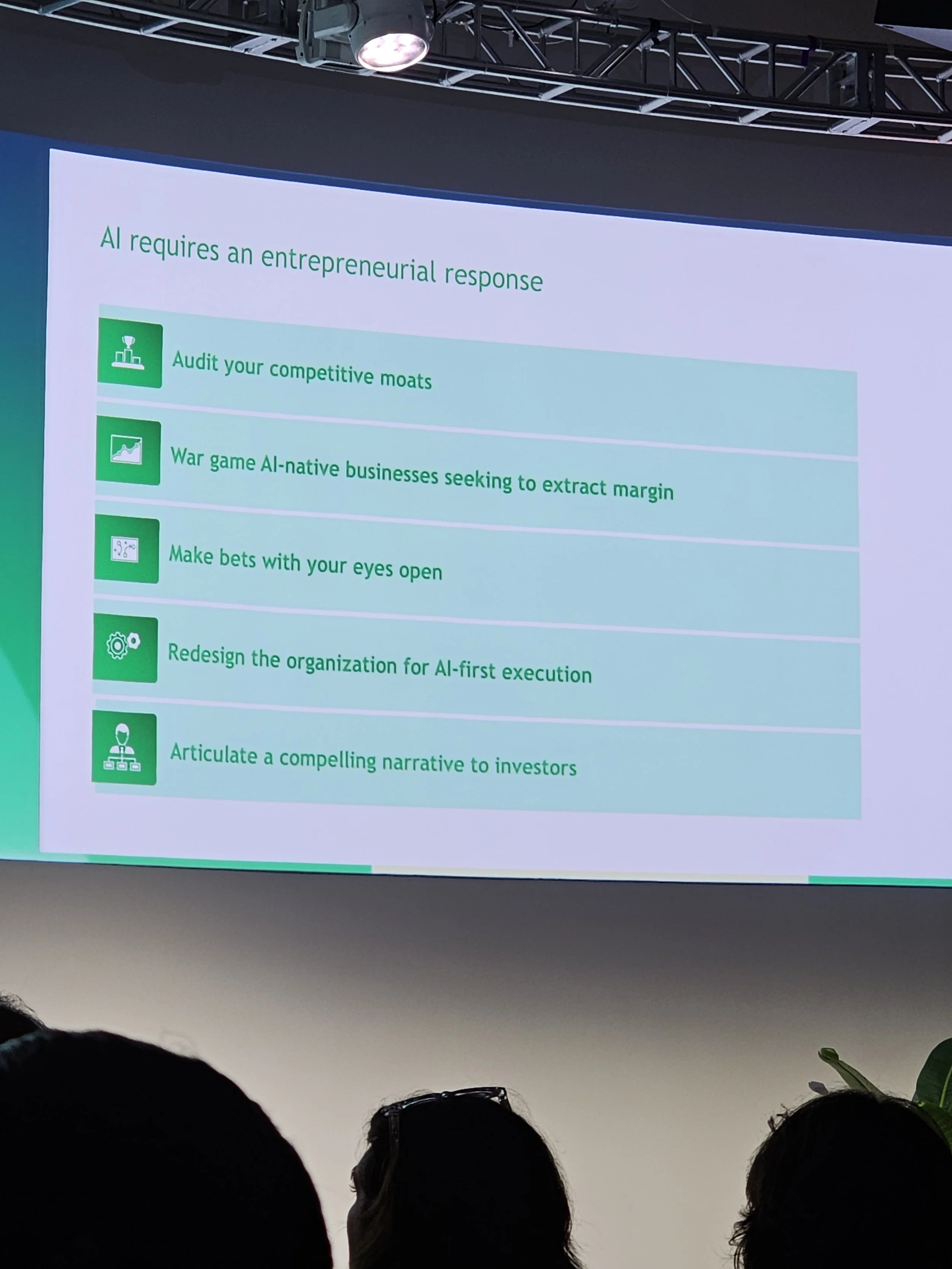
Ketil's case starts with capital. By his figures, hyperscalers are deploying around $750 billion in AI this year alone, dwarfing the internet boom. His warning for incumbents: AI-native entrants won't attack market share head-on. They'll target your highest-margin pockets, so you keep the customer but lose the economics.
He used an Australian example of a durable edge: Qantas, whose loyalty business, built on brand trust and flow data, is worth more than the airline itself. He also expects token costs to rise sharply and become their own line on the P&L. BCG itself budgets $3,000 per employee per month for AI tools, though Ketil expects that to come down. It makes the economics question from Unity's story even more pressing.
6. What it means for finance leaders, and where to start
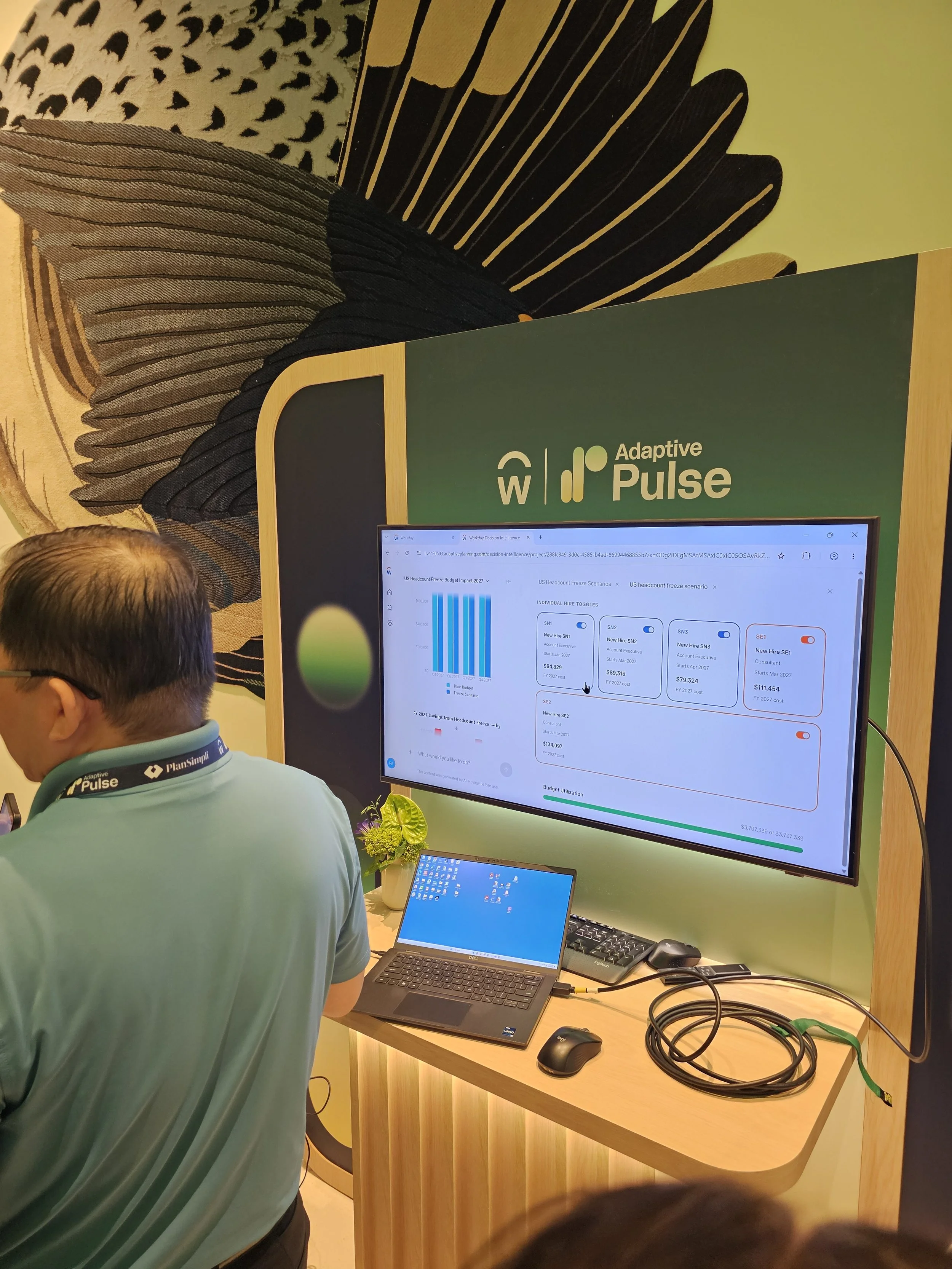
Between sessions, the green-lit demo hallway was packed with finance people swapping notes over coffee, and some of the best conversations of the day happened there.
When the sessions wrapped, the conversations moved on to the evening reception, Adaptive Unplugged at the District.
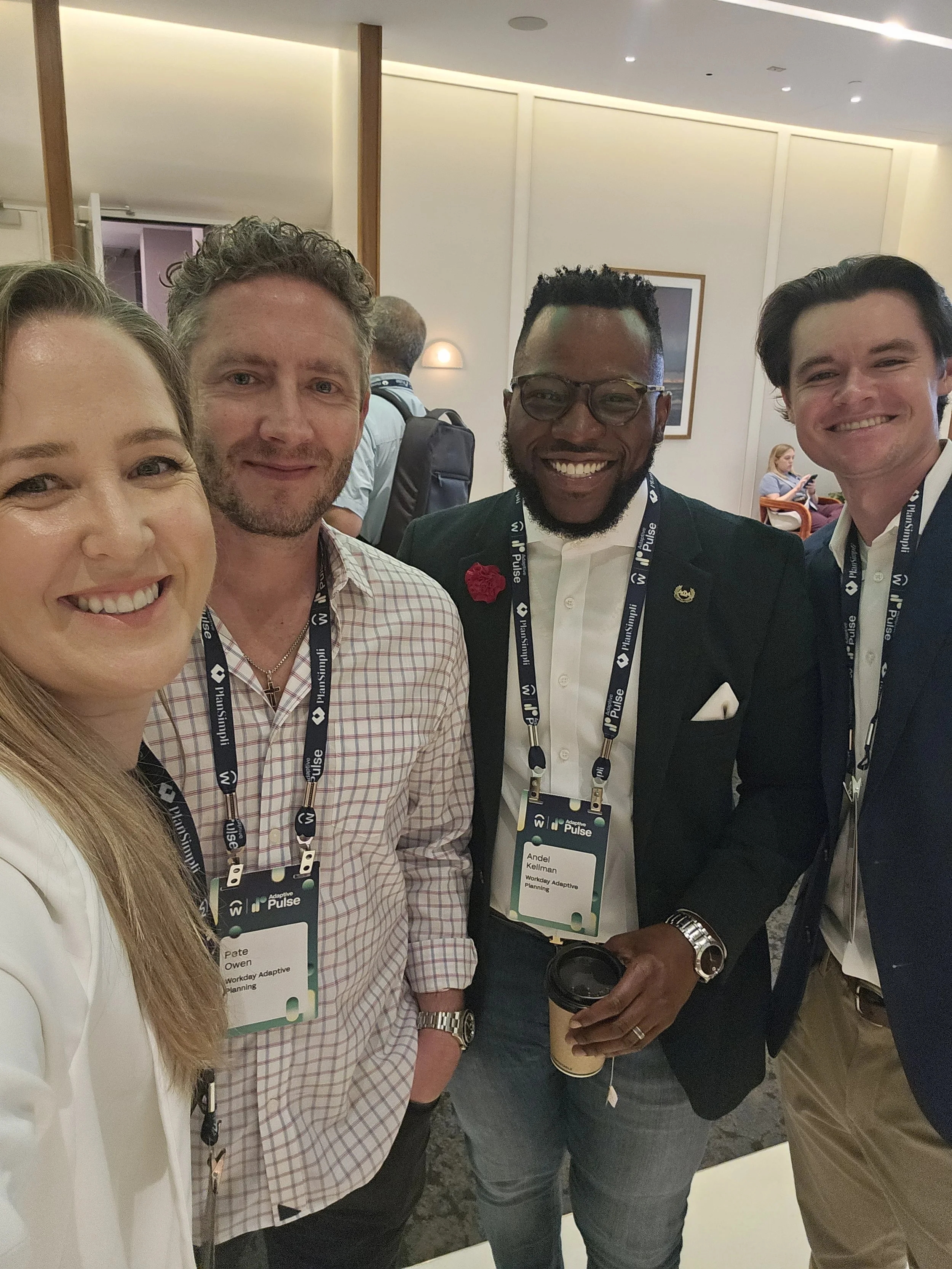
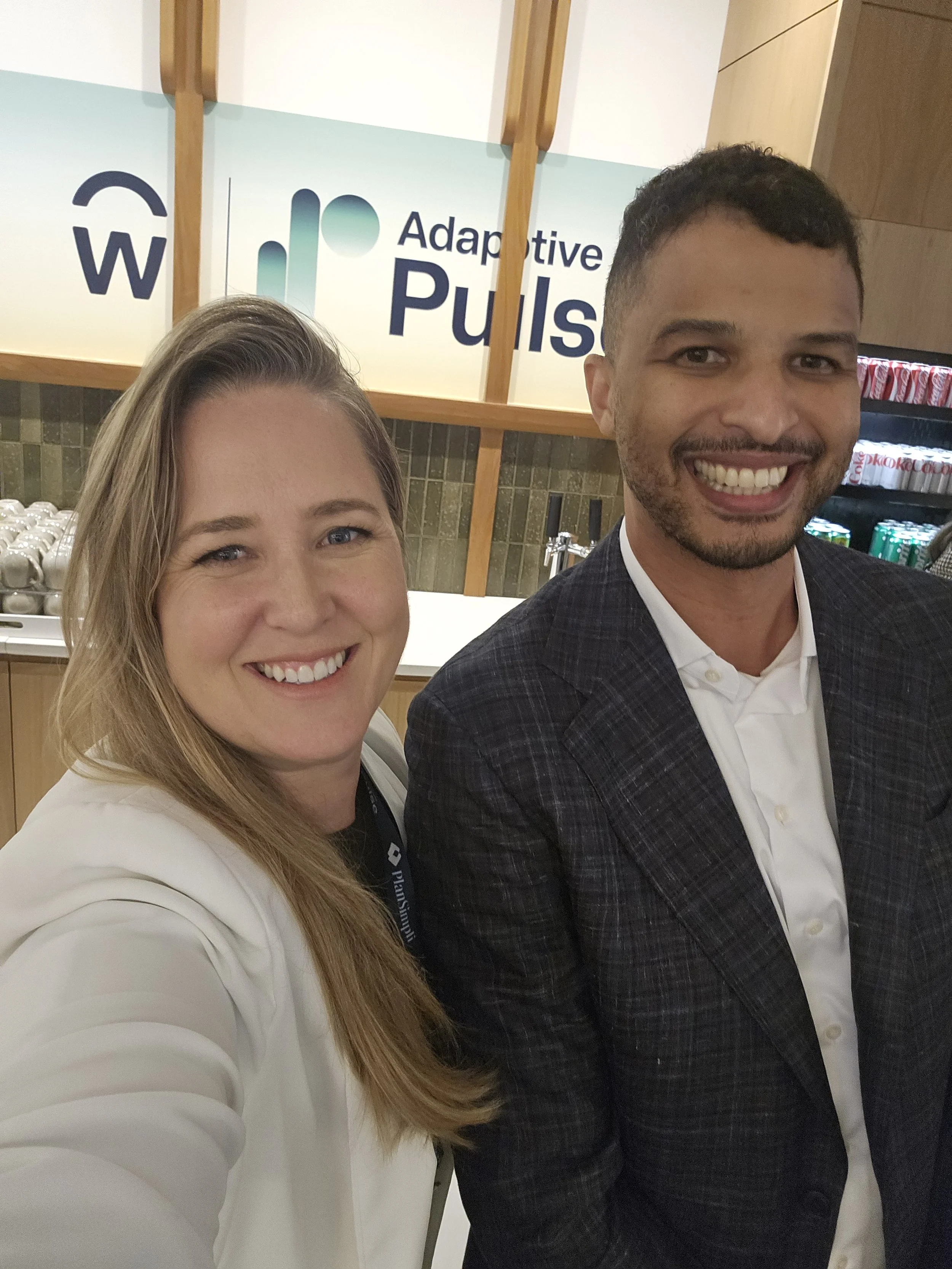
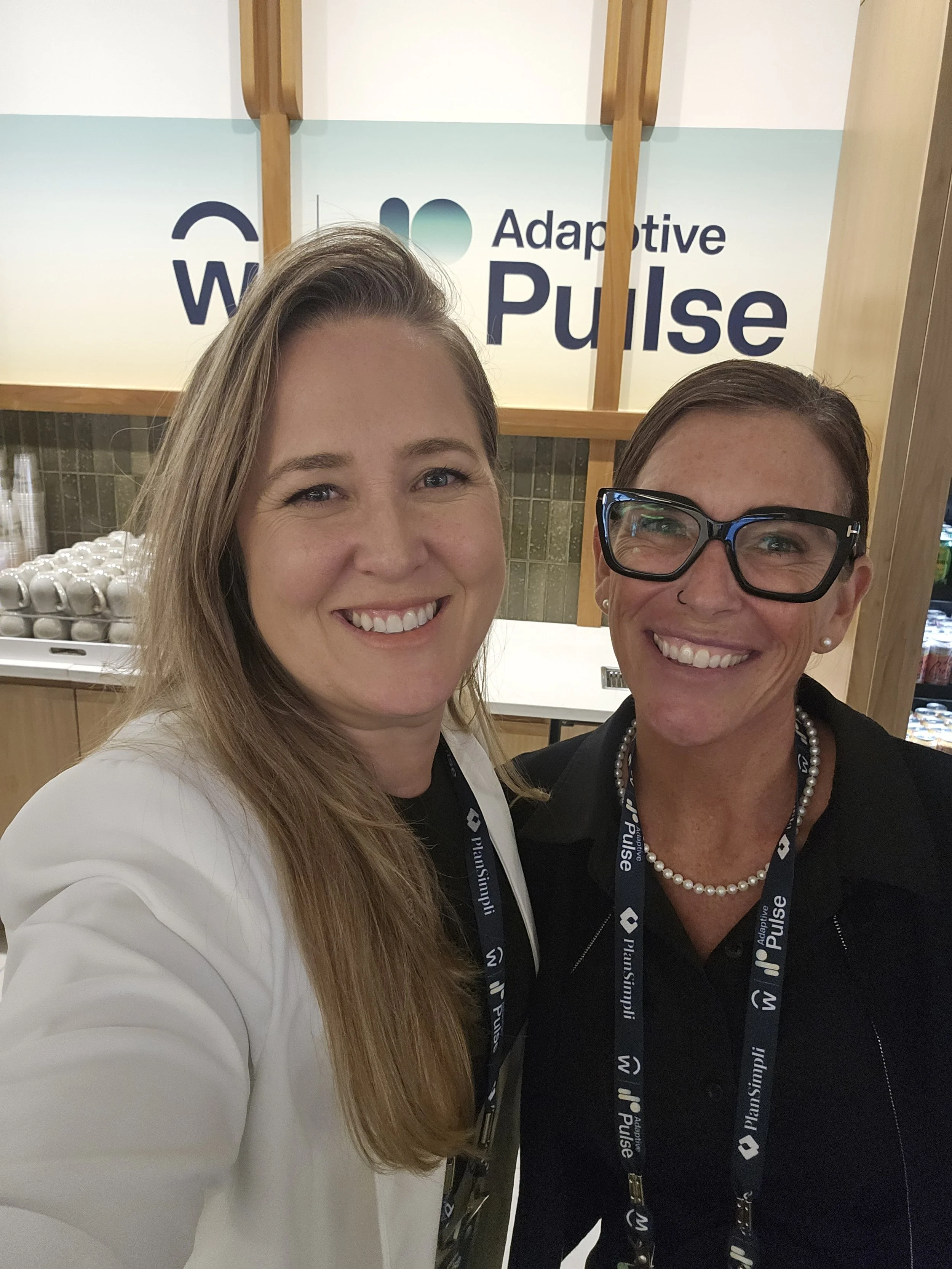
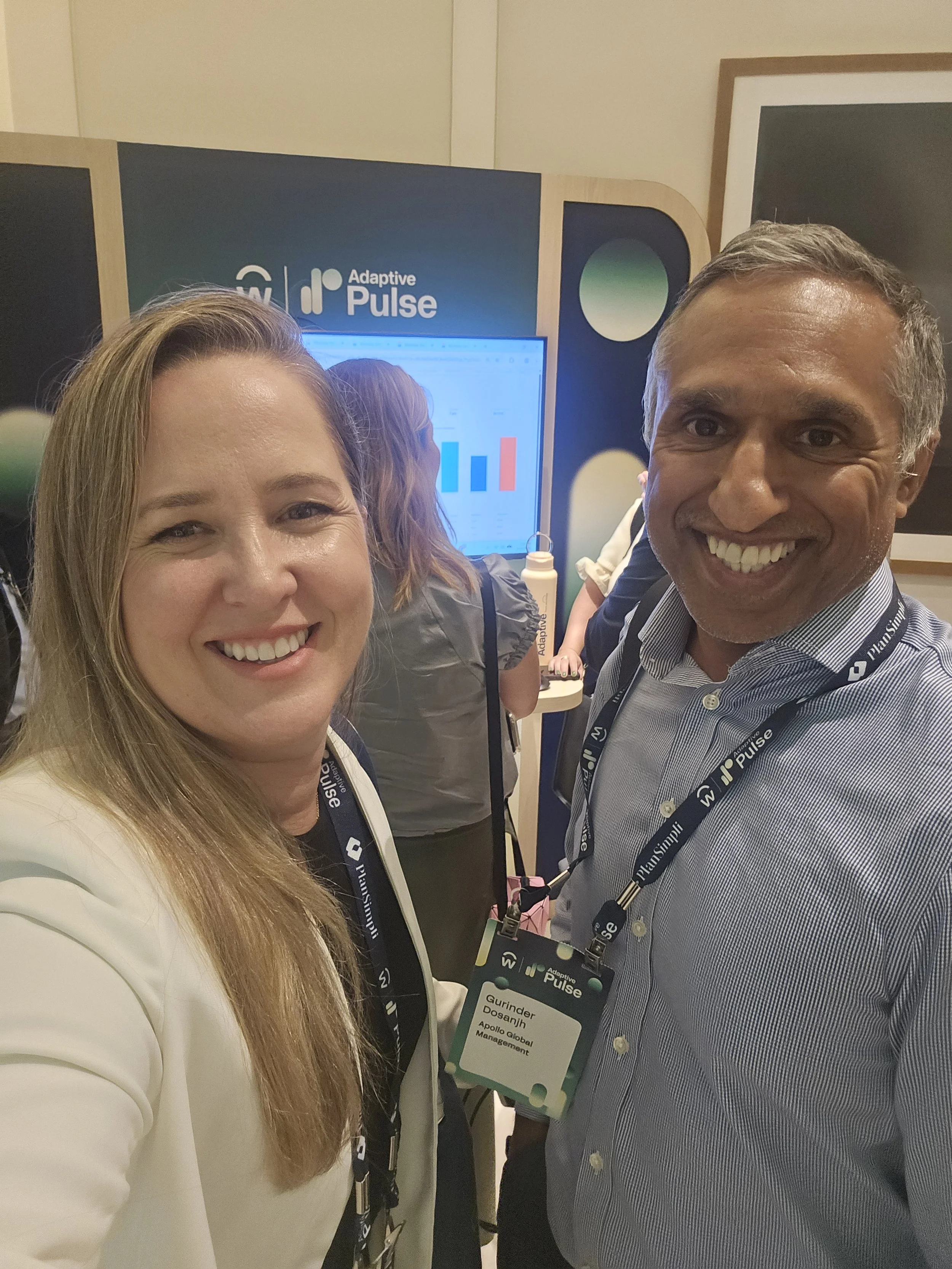
Over the day I met customers, future customers, and partners from Apollo Global Management, KKR, Invesco, Terumo BCT, Trade Supply Group, Proteus Fund and Okorio, along with KPMG and GQR. It was also great to spend time with the Workday Adaptive team.
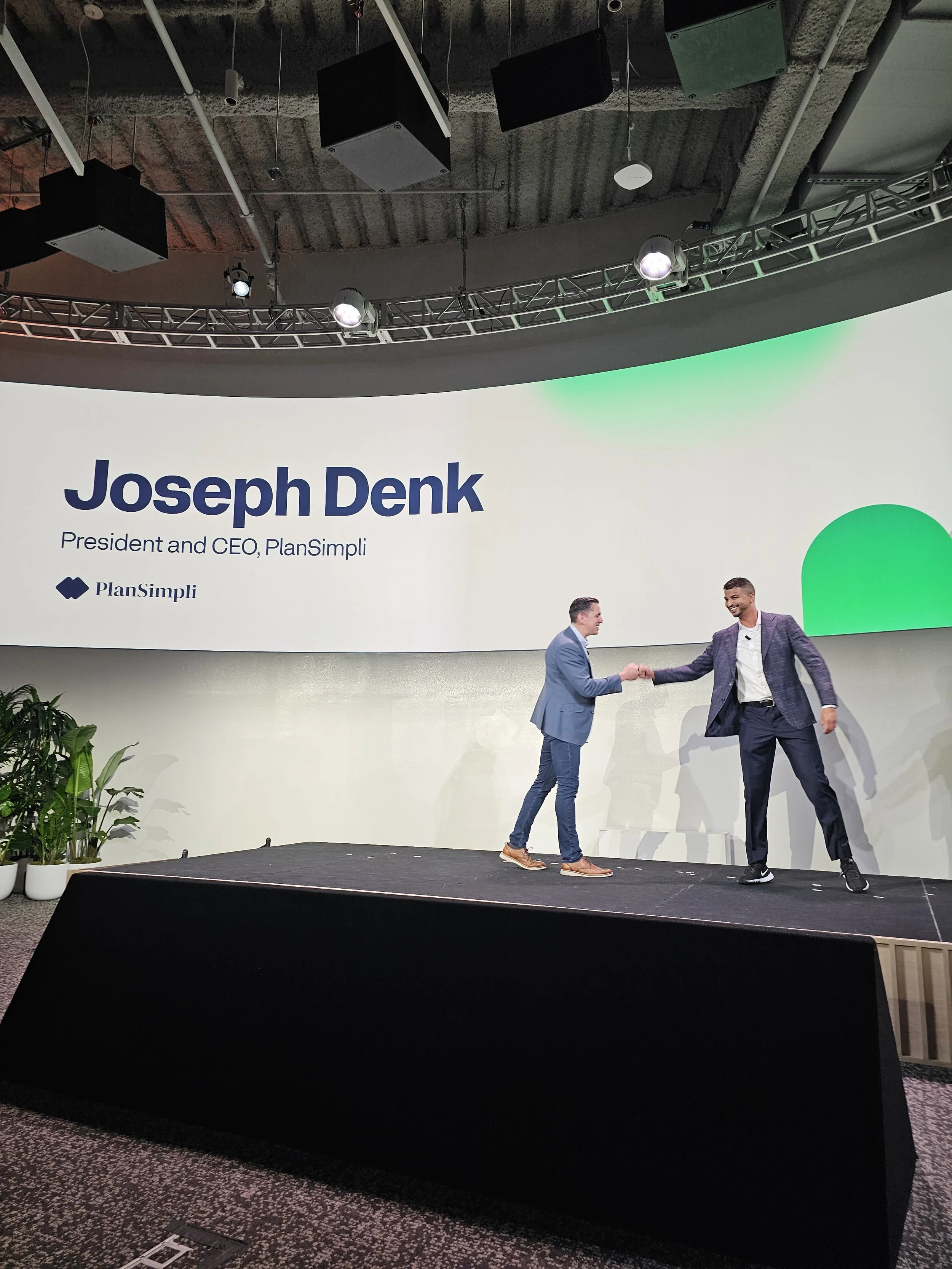
A highlight was catching up with Joseph Denk, President & CEO of PlanSimpli, the US Adaptive partner and core sponsor of the event. PlanSimpli has worked on around 2,200 Adaptive implementations, and comparing notes confirmed something we see locally: finance teams everywhere face the same problems. They want better information, fewer manual steps and more time for decisions.
The partner panel landed in the same place. Clients are splitting into two groups: those still cleaning data and standardising processes, and those scaling from pilots to measurable outcomes. As one panellist put it, "Go use AI" is not a corporate strategy. KPMG's Ronald Seymore was clear on where to start: identify the business problem and the outcomes you want, map the data, process and governance around it, and only then apply AI. Or, in another panellist's words, "slop in, slop out".
If you are weighing up AI in FP&A, these are the questions I would ask first:
Is your data ready? If actuals still arrive late, reconciled by hand or from disconnected sources, fix that before adding AI on top. A CPM solution such as Adaptive from Workday can do that for you.
Which recurring process would you start with? Pick one that runs every cycle, such as monthly variance commentary, not a one-off analysis.
Who validates the output? Decide who owns checking AI-generated analysis and how often, before it reaches a board pack.
What will it cost to run? Model AI consumption at monthly or weekly scale, not at demo scale.
Can decisions flow back into the plan? If insights live only in a chat window, they won't change the forecast.
Are finance, HR and operations planning from shared assumptions? AI amplifies disconnects as easily as it fixes them.
If you would like to talk through any of these, or see what Decision Intelligence could look like on your own data, get in touch with the Data Hive team.
Conclusion: The foundations are becoming more valuable, not less
There is understandable excitement about AI in finance. But the opportunity isn't putting an AI interface over spreadsheets and disconnected systems. It is combining AI with a trusted, connected and governed foundation: data, models, business logic, security, workflows, scenarios, auditability and human judgement.
That is why the move from Workday Adaptive Planning to Adaptive from Workday is interesting. Planning isn't becoming less important. It is becoming the foundation for better decisions.
Image gallery


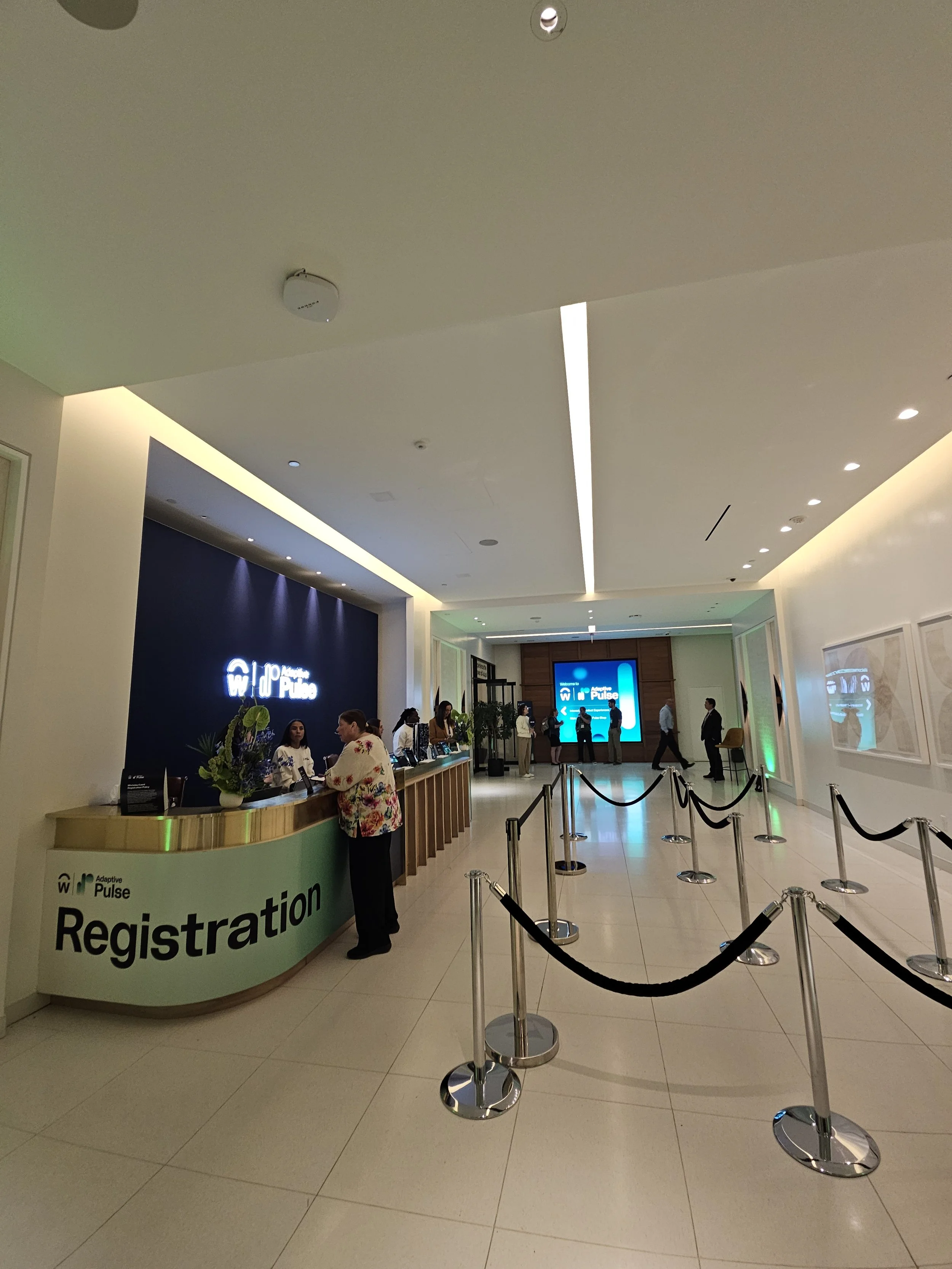
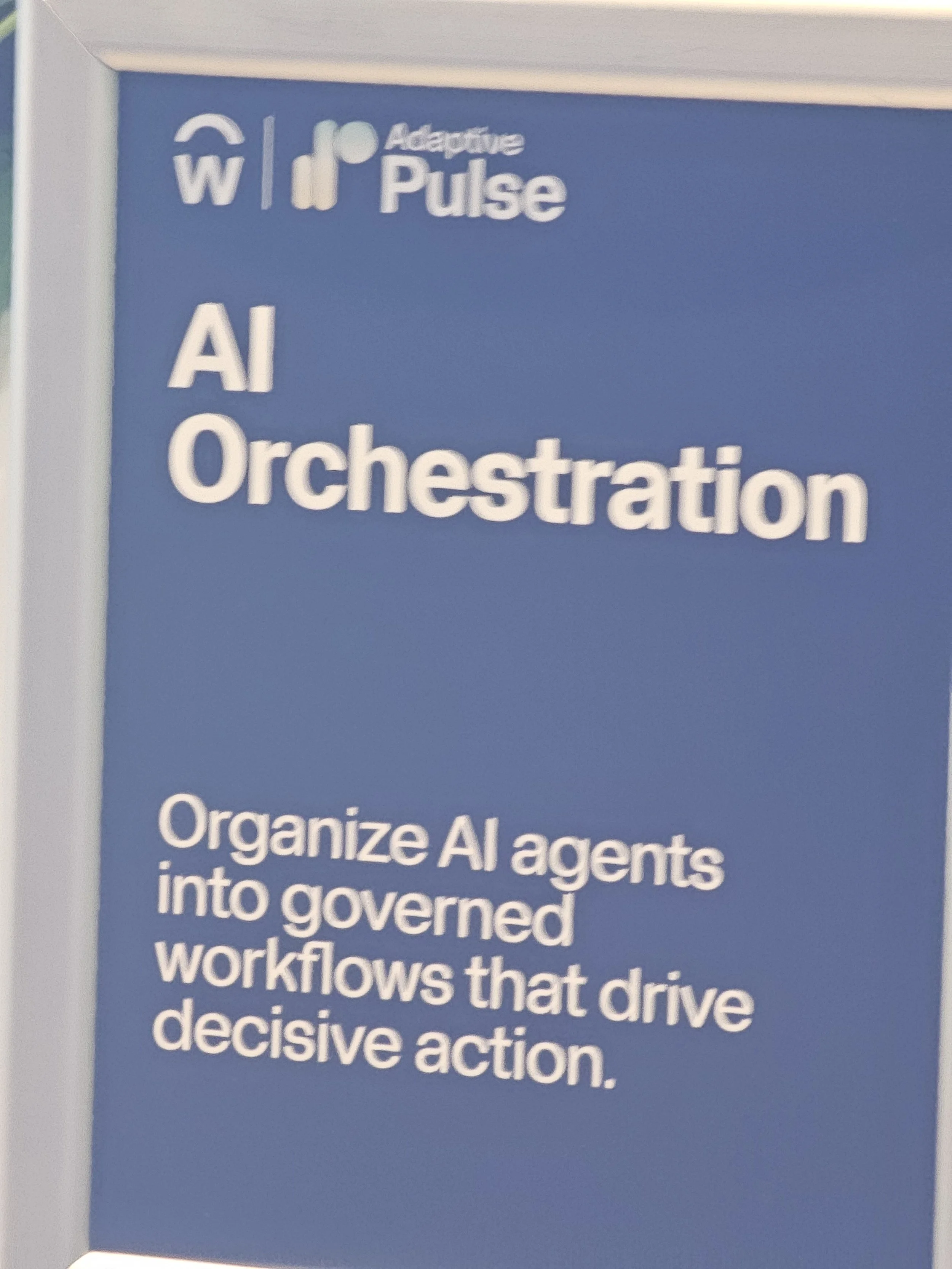

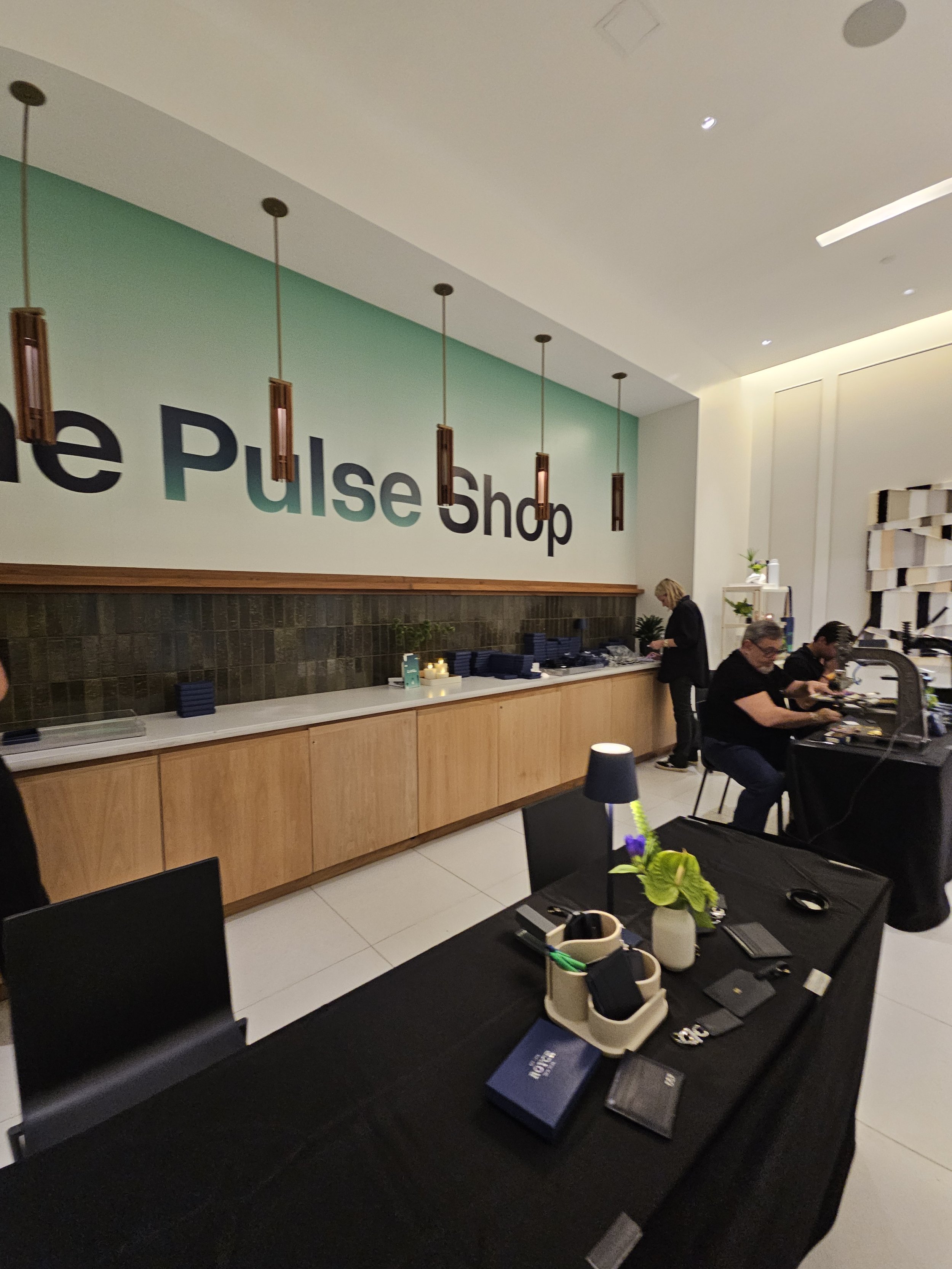
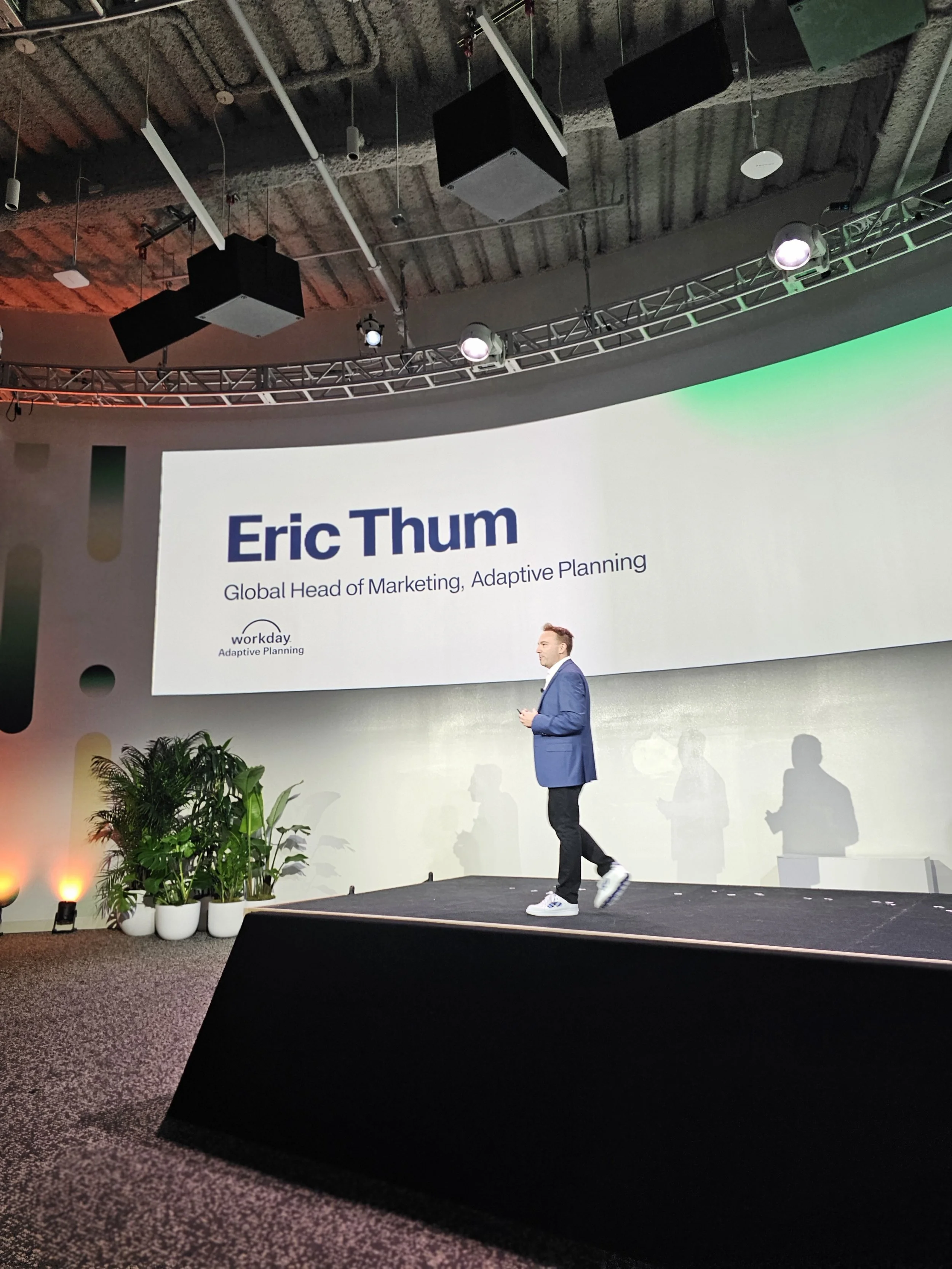
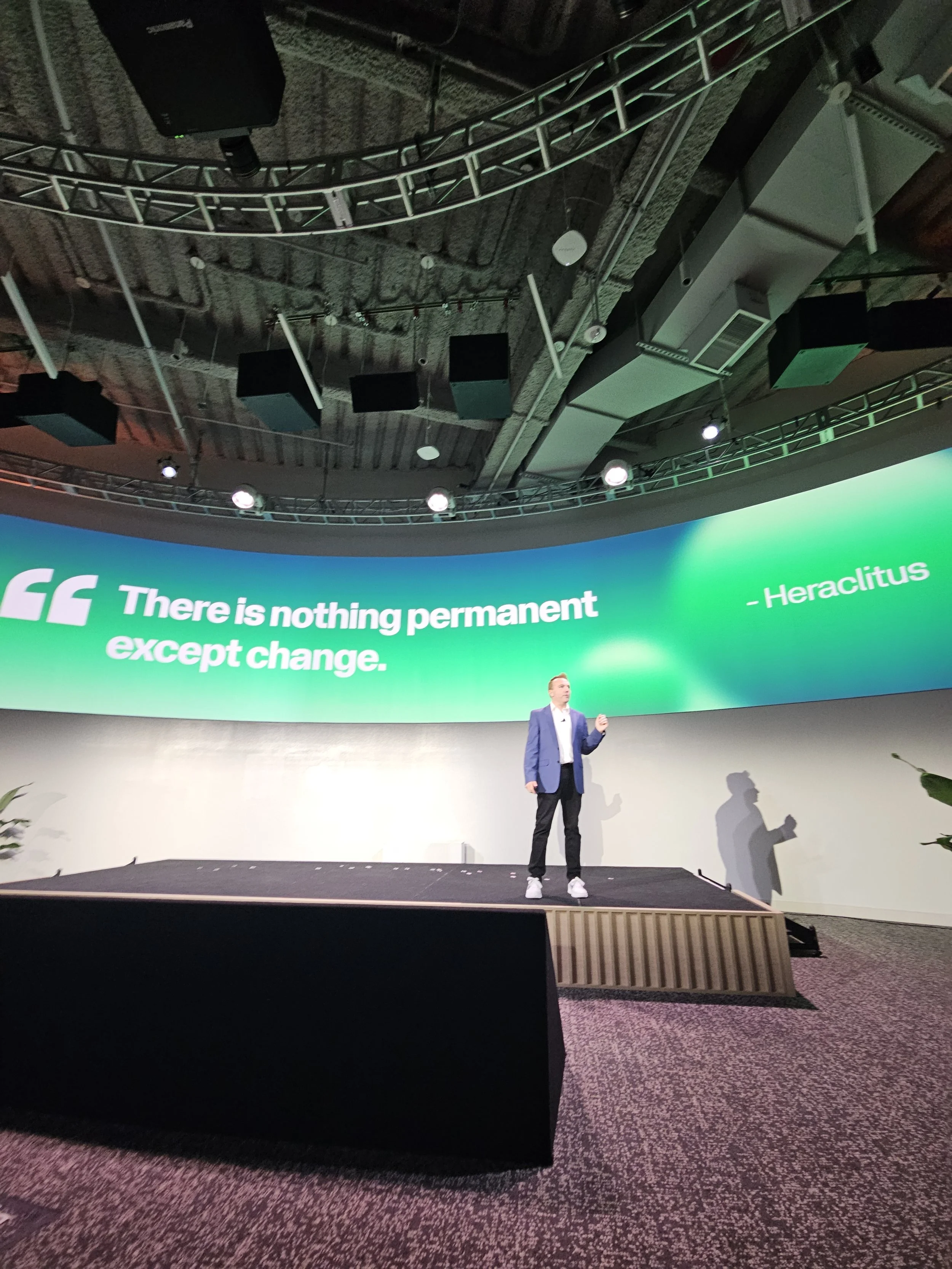
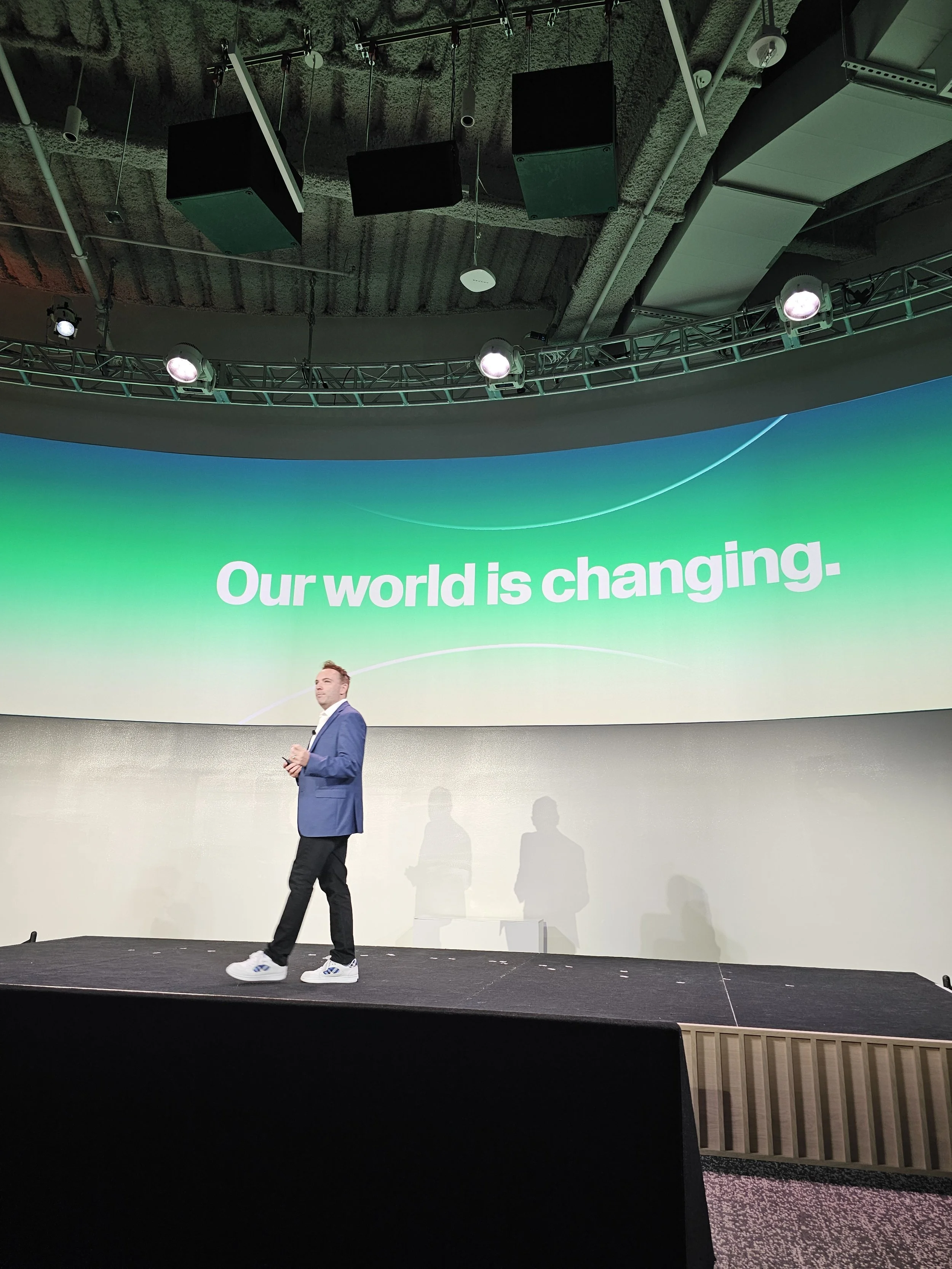
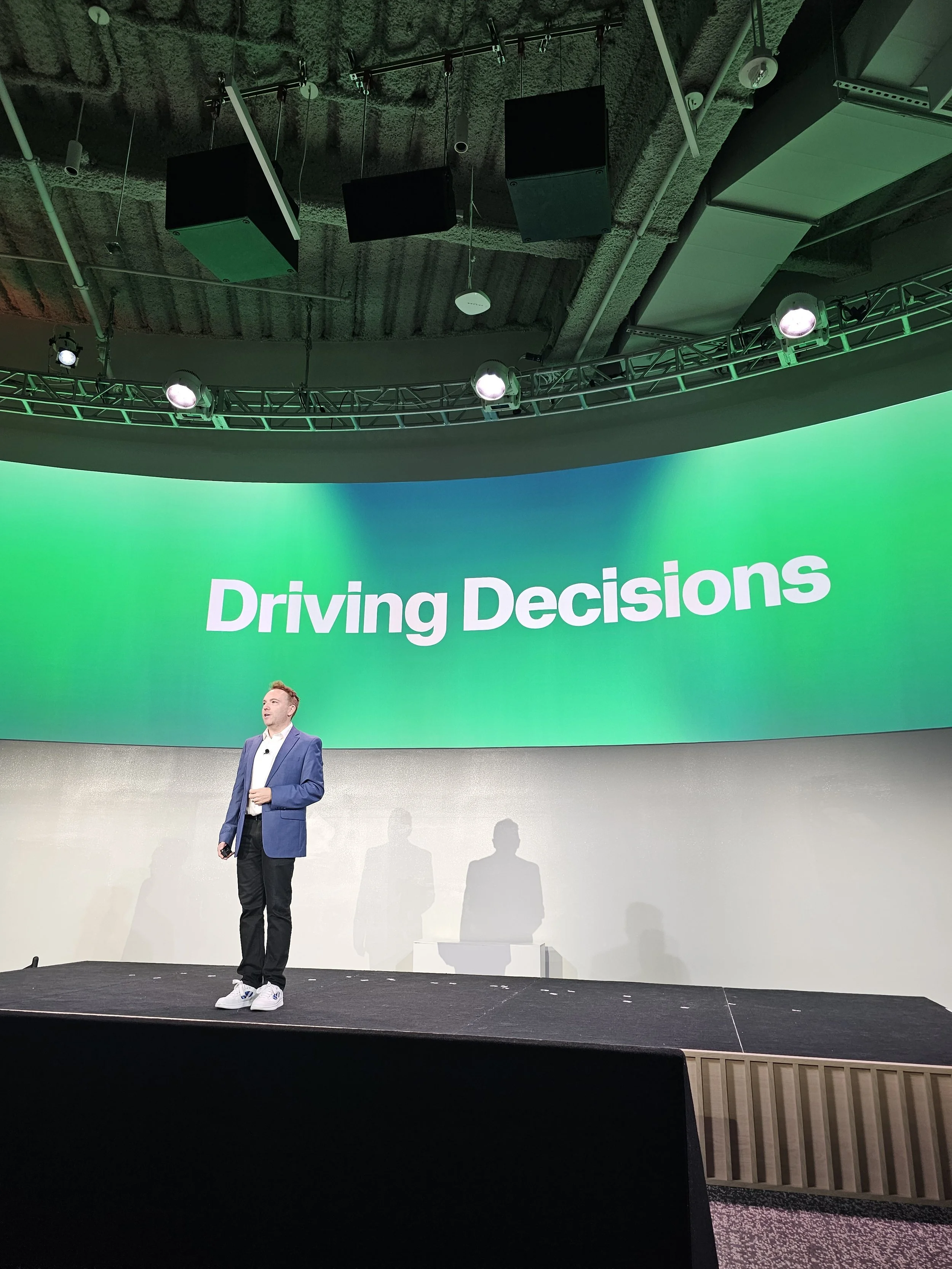
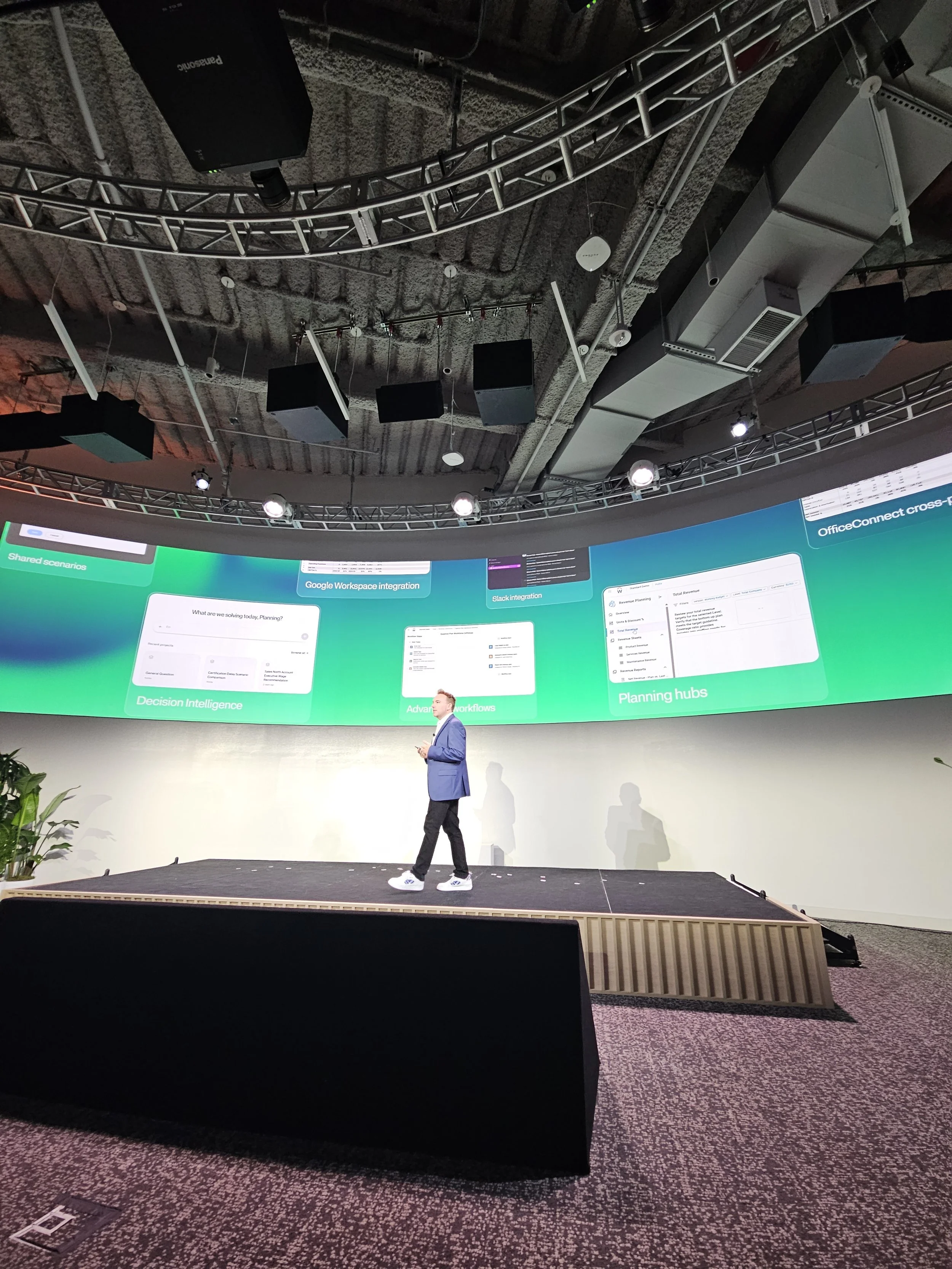
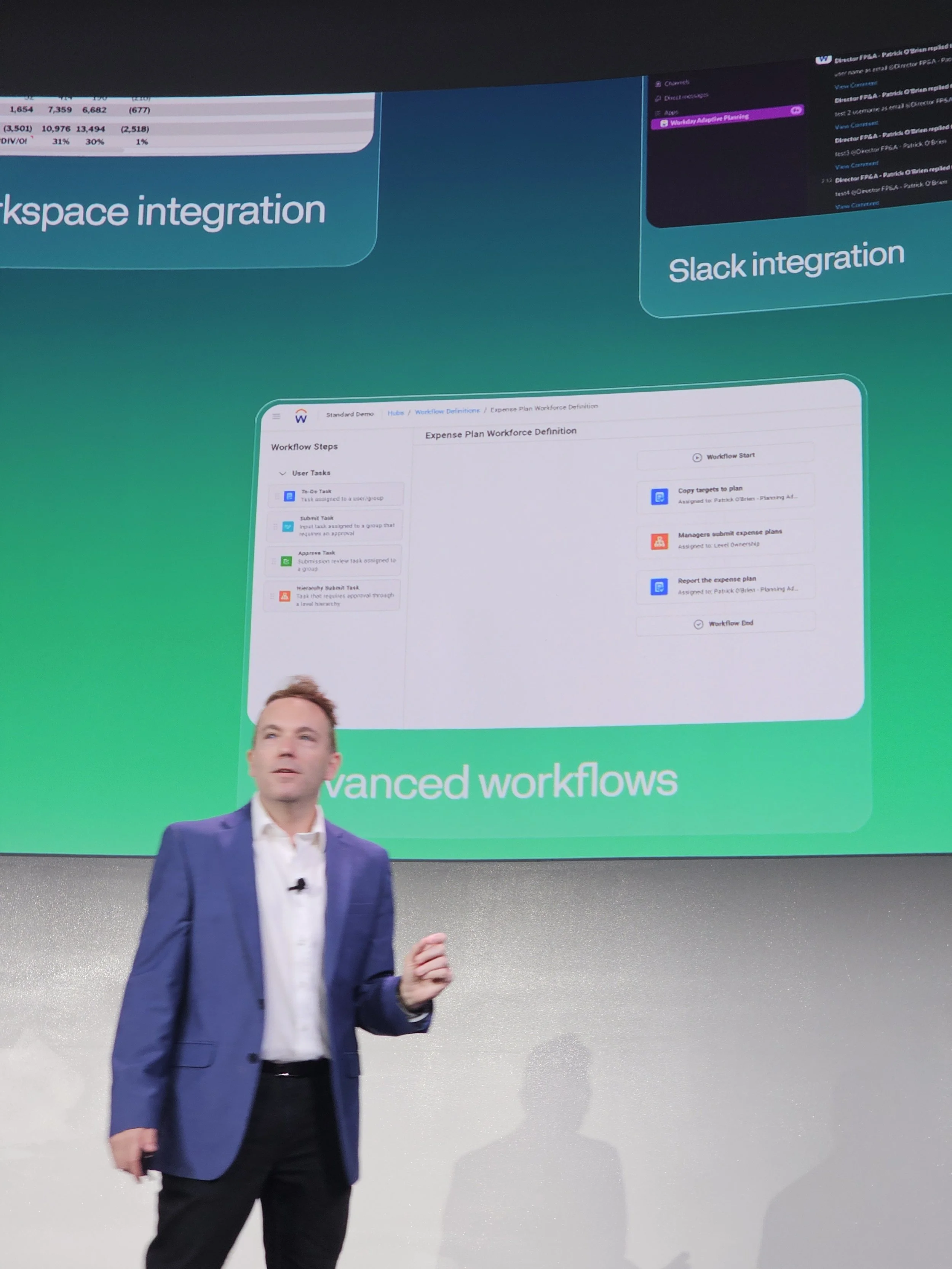
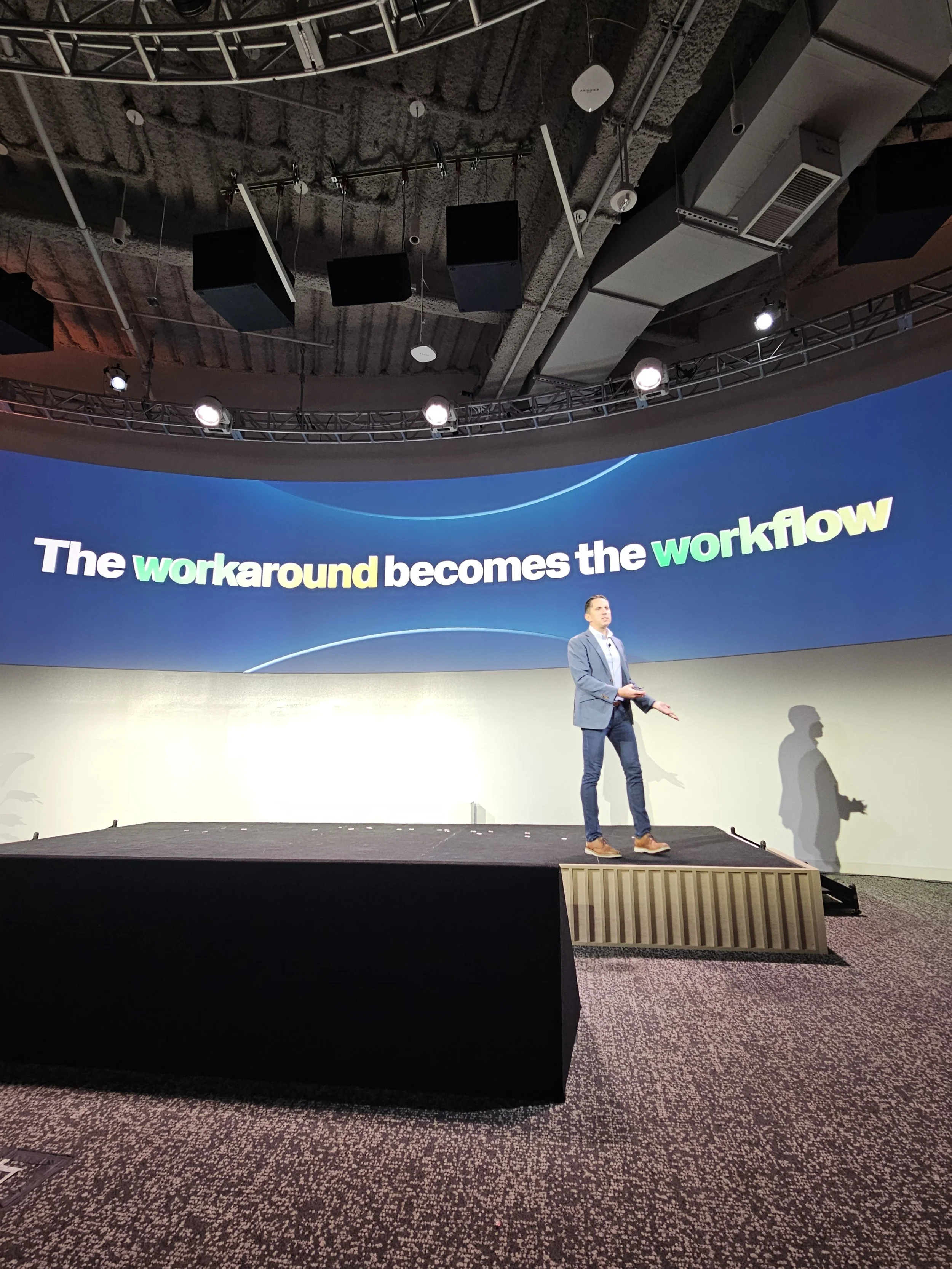
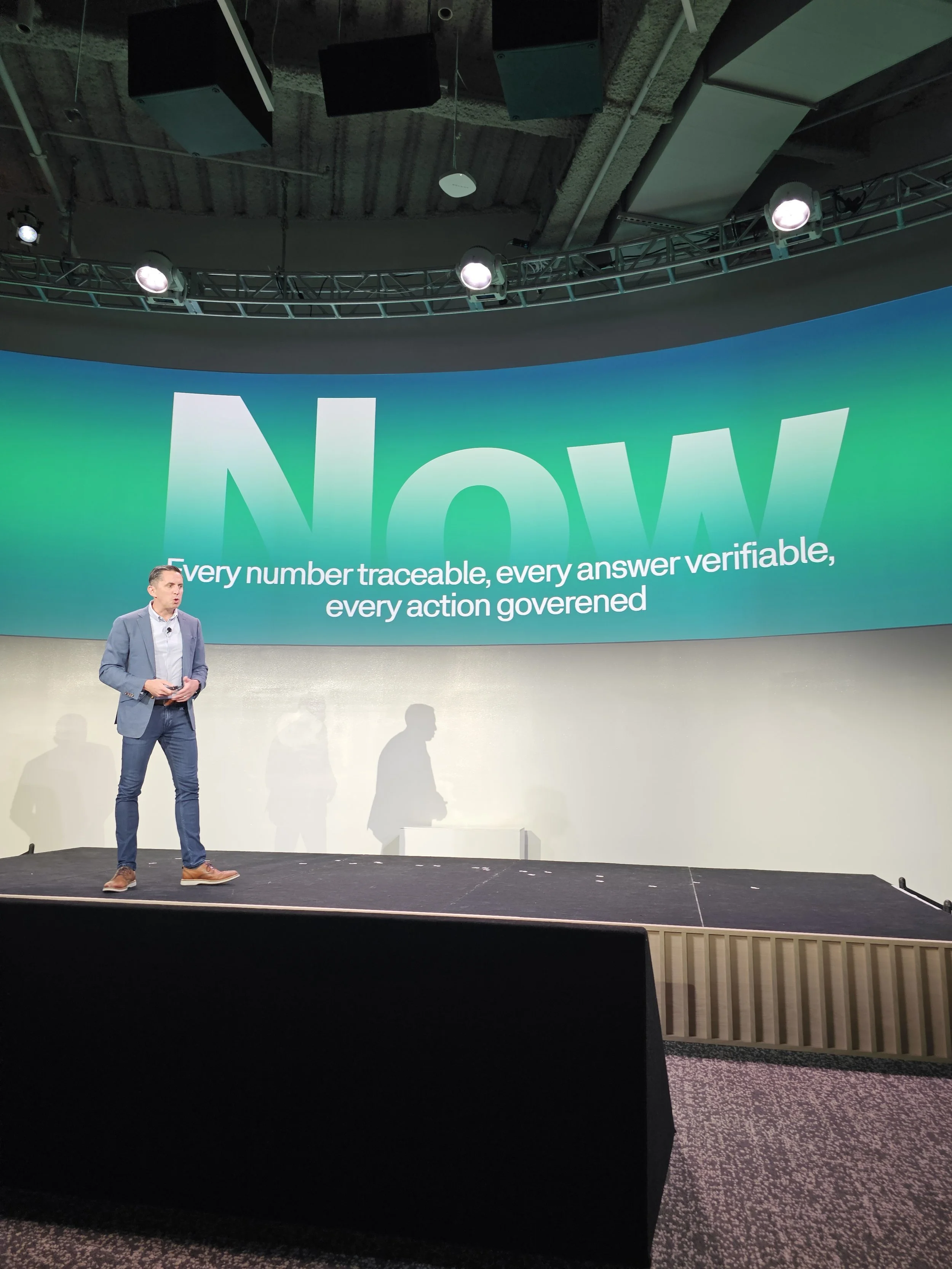
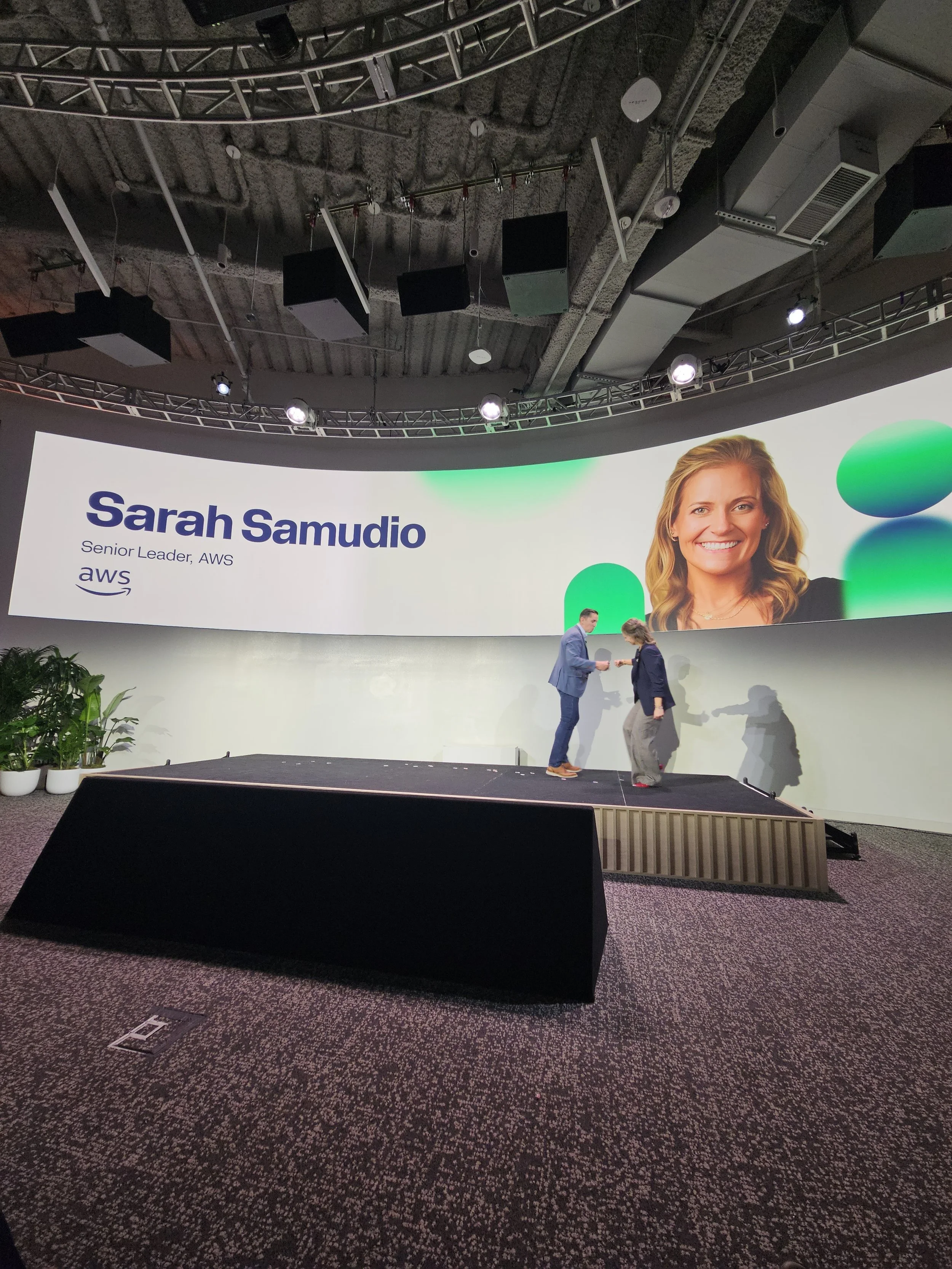
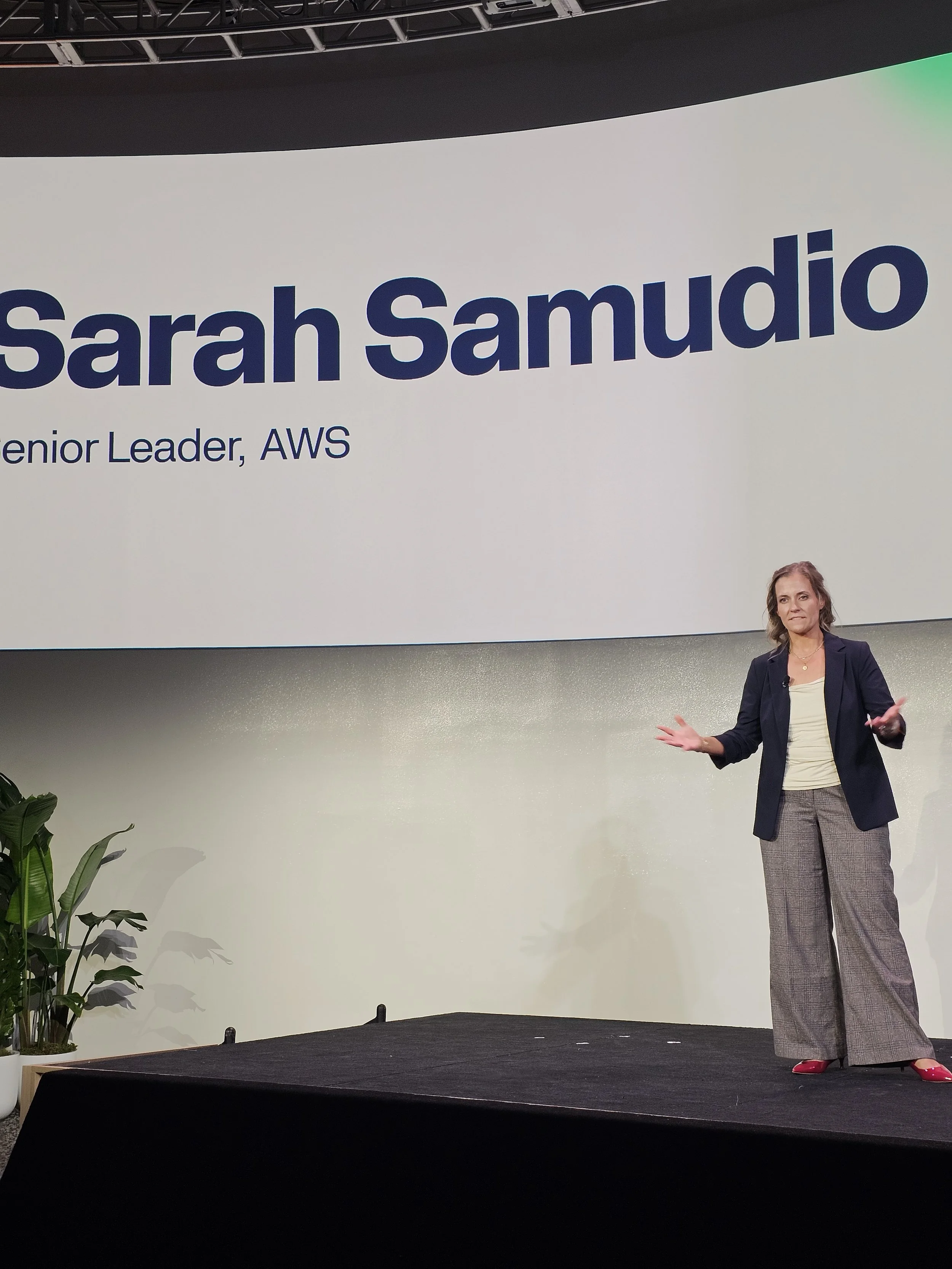
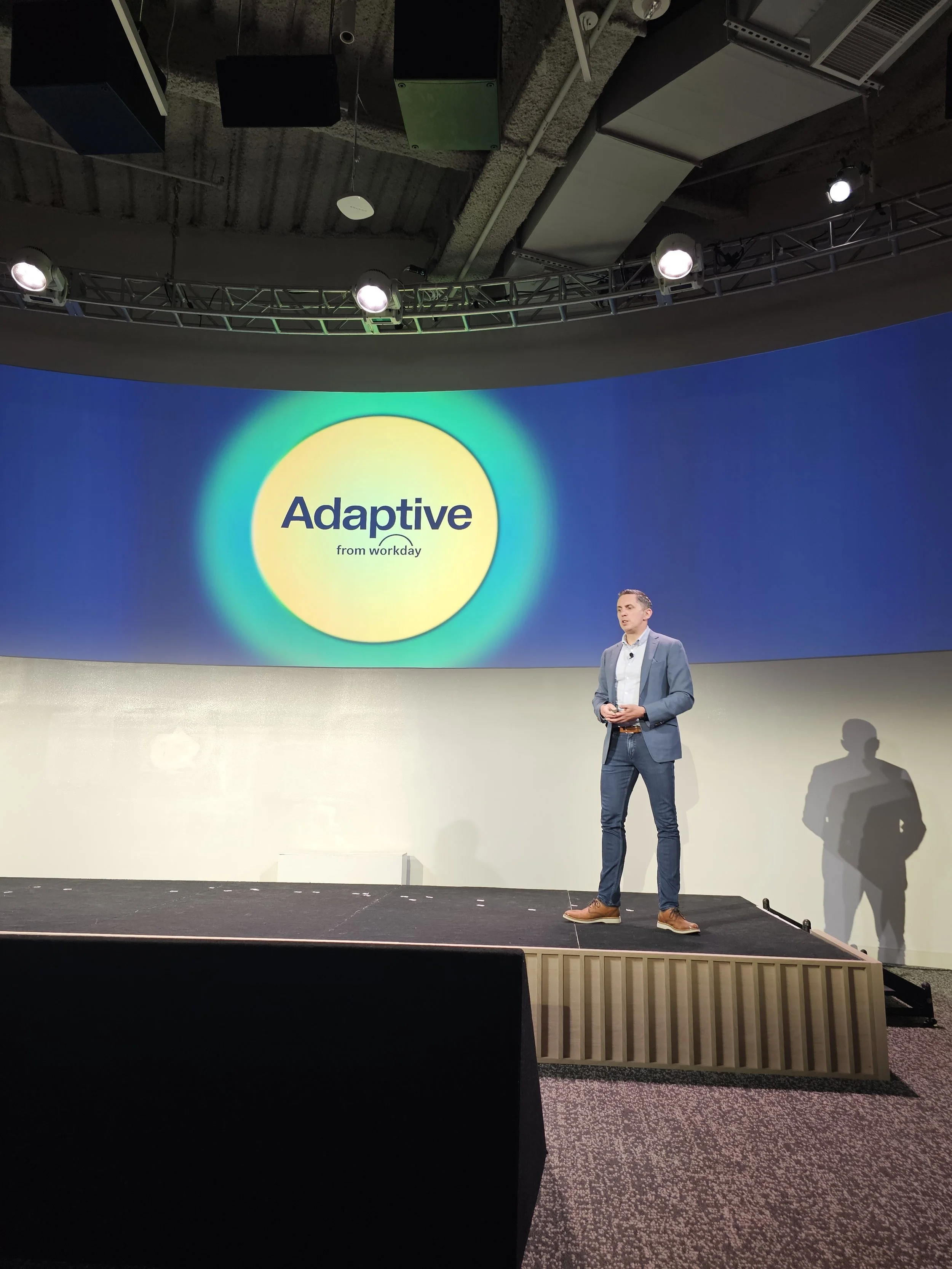
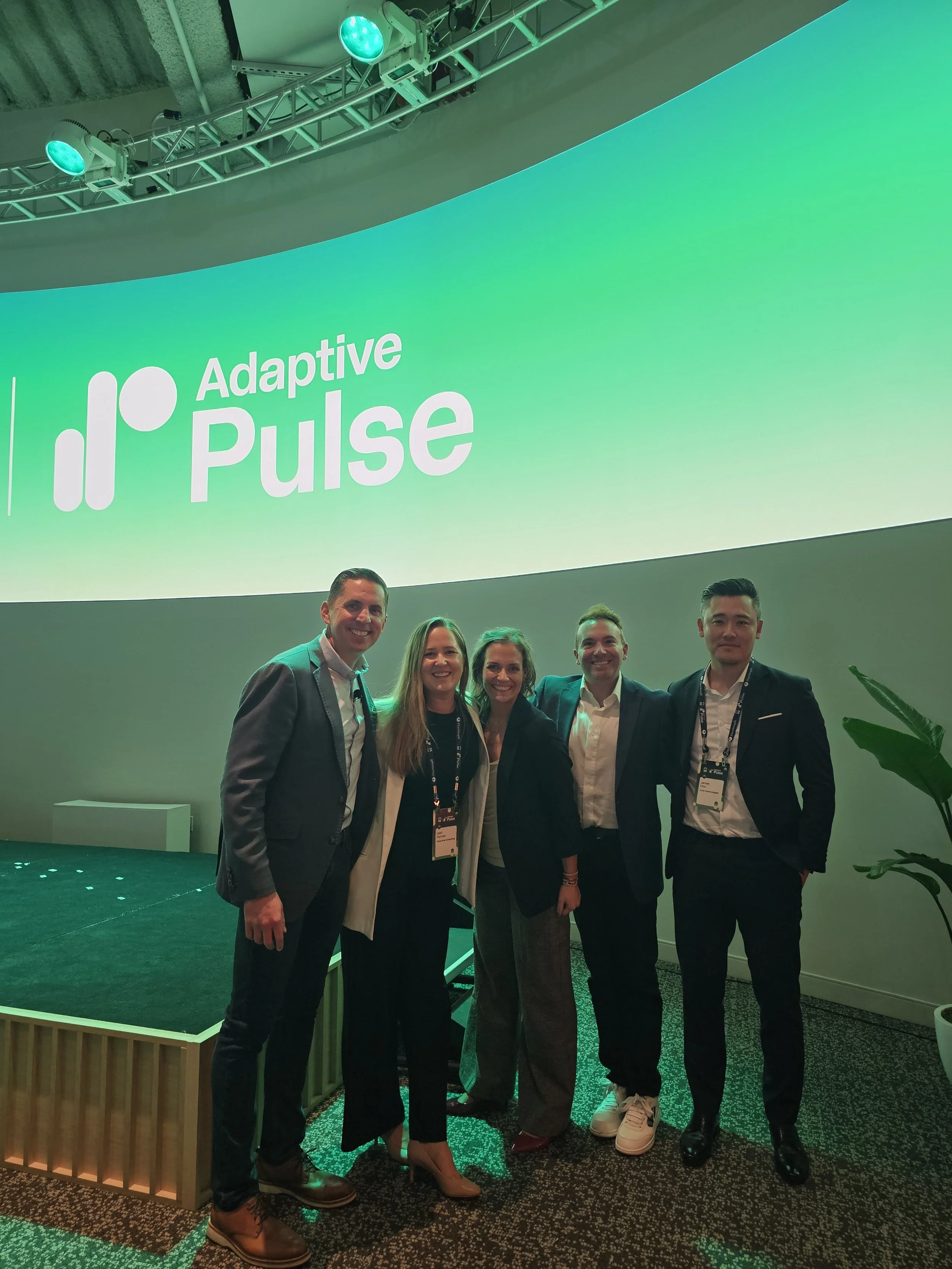
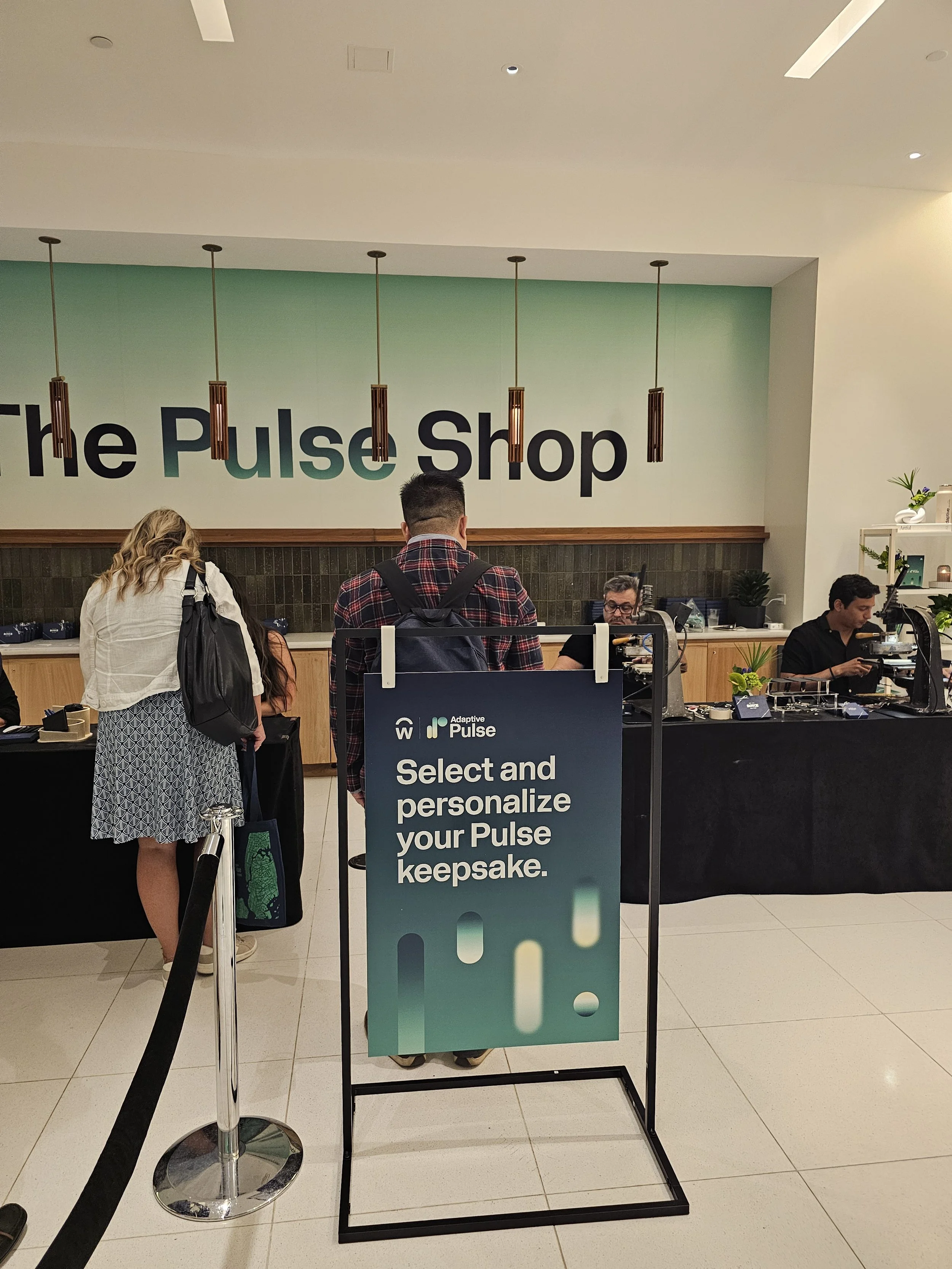

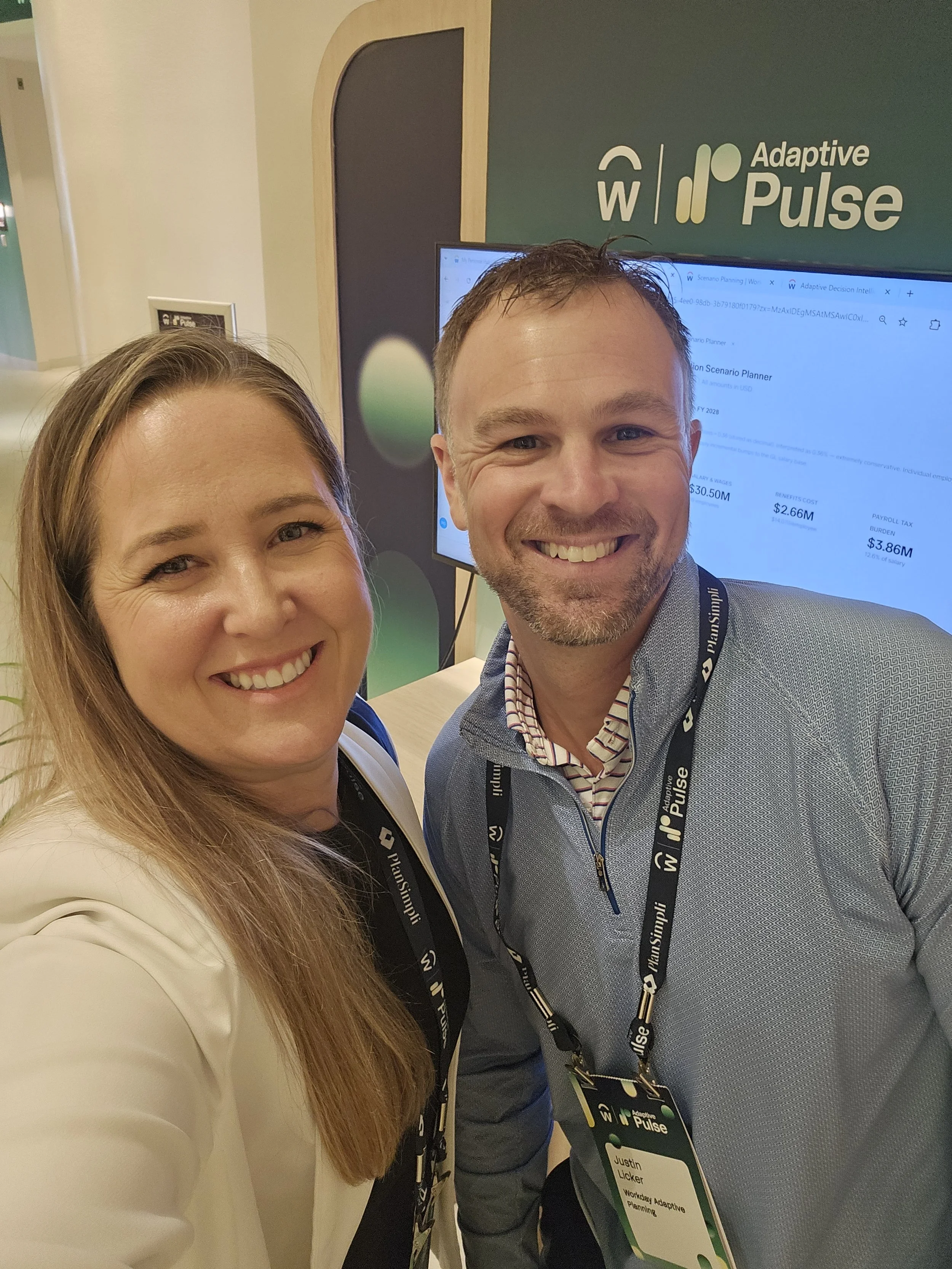
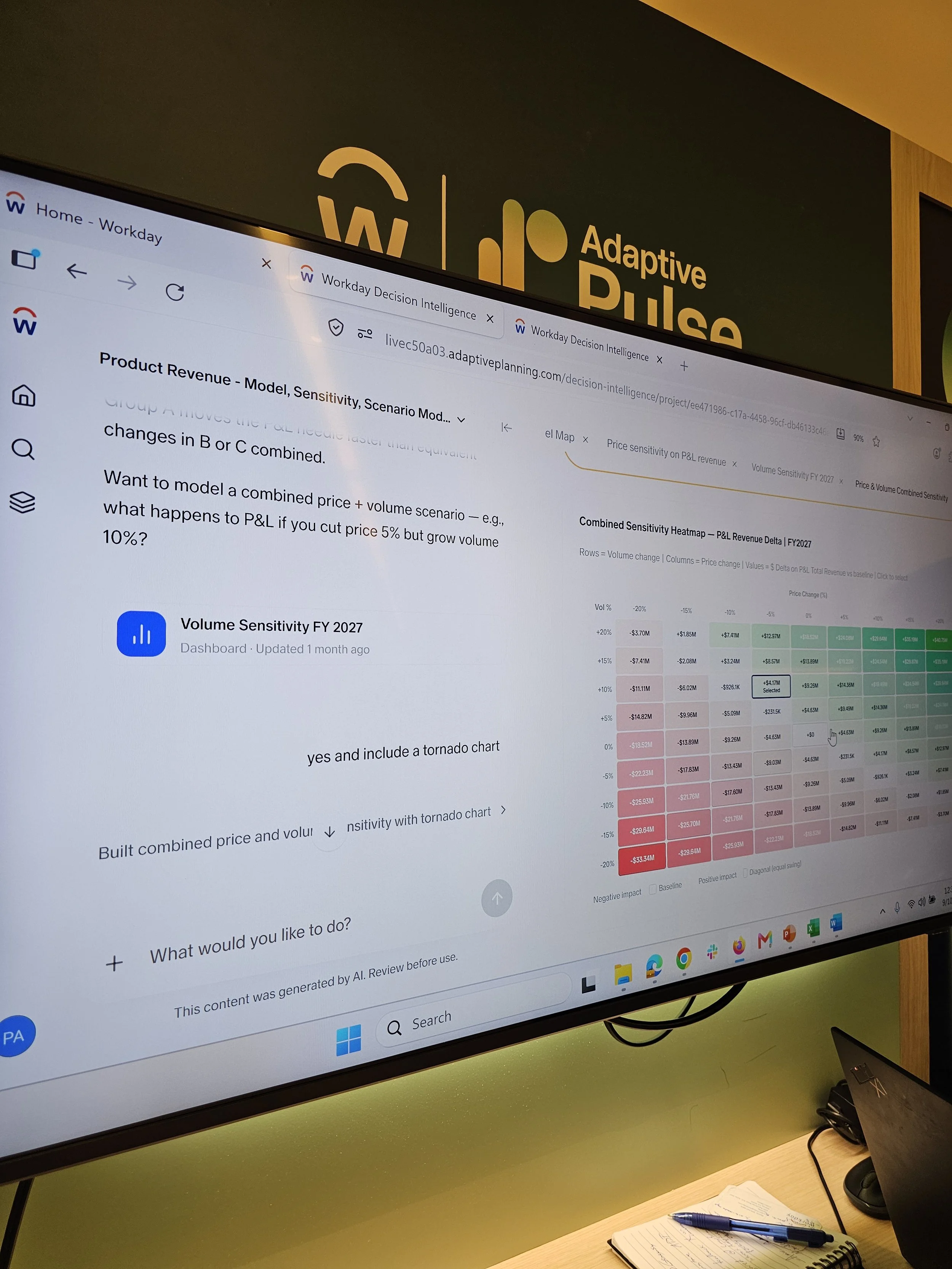
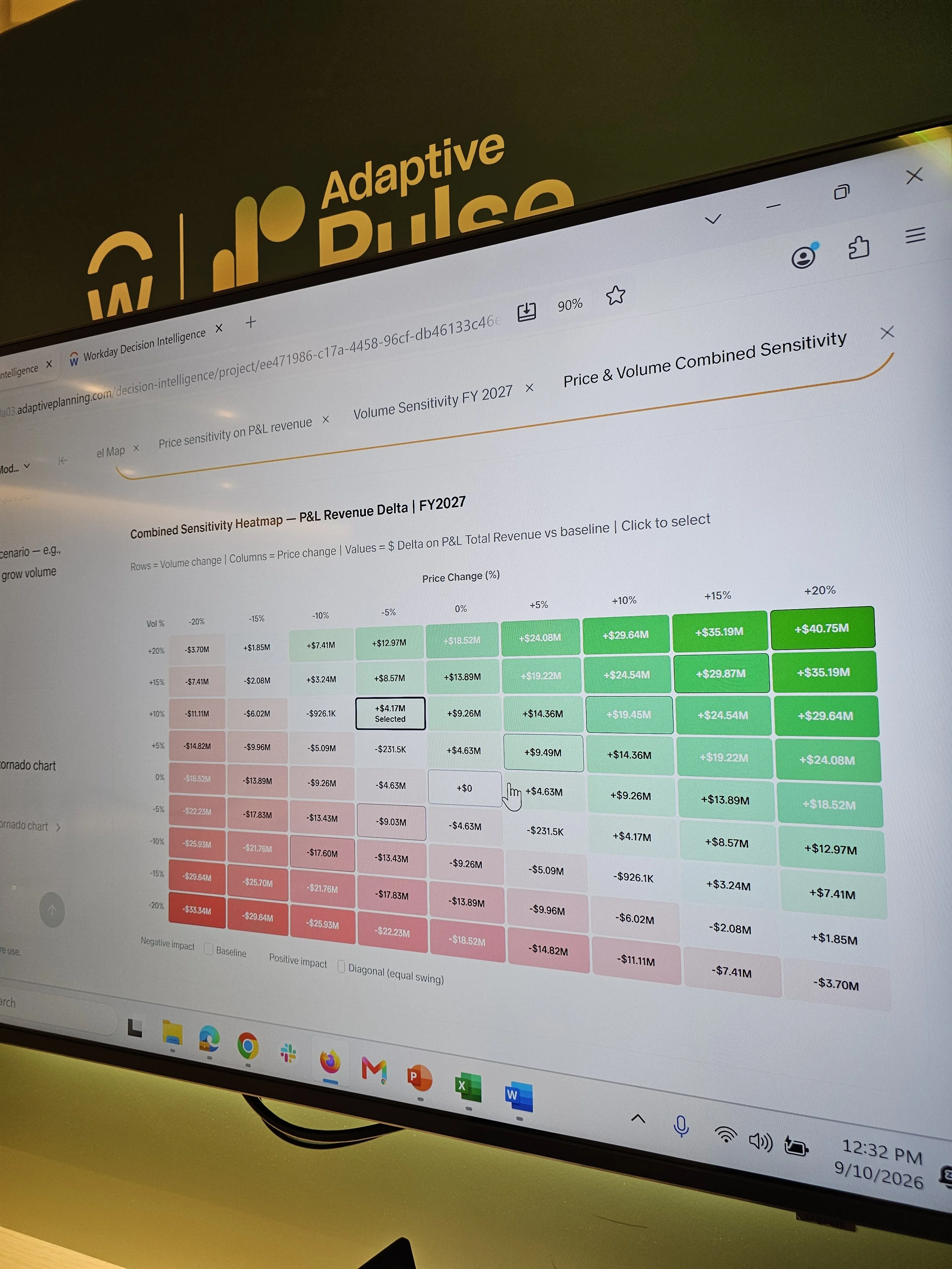
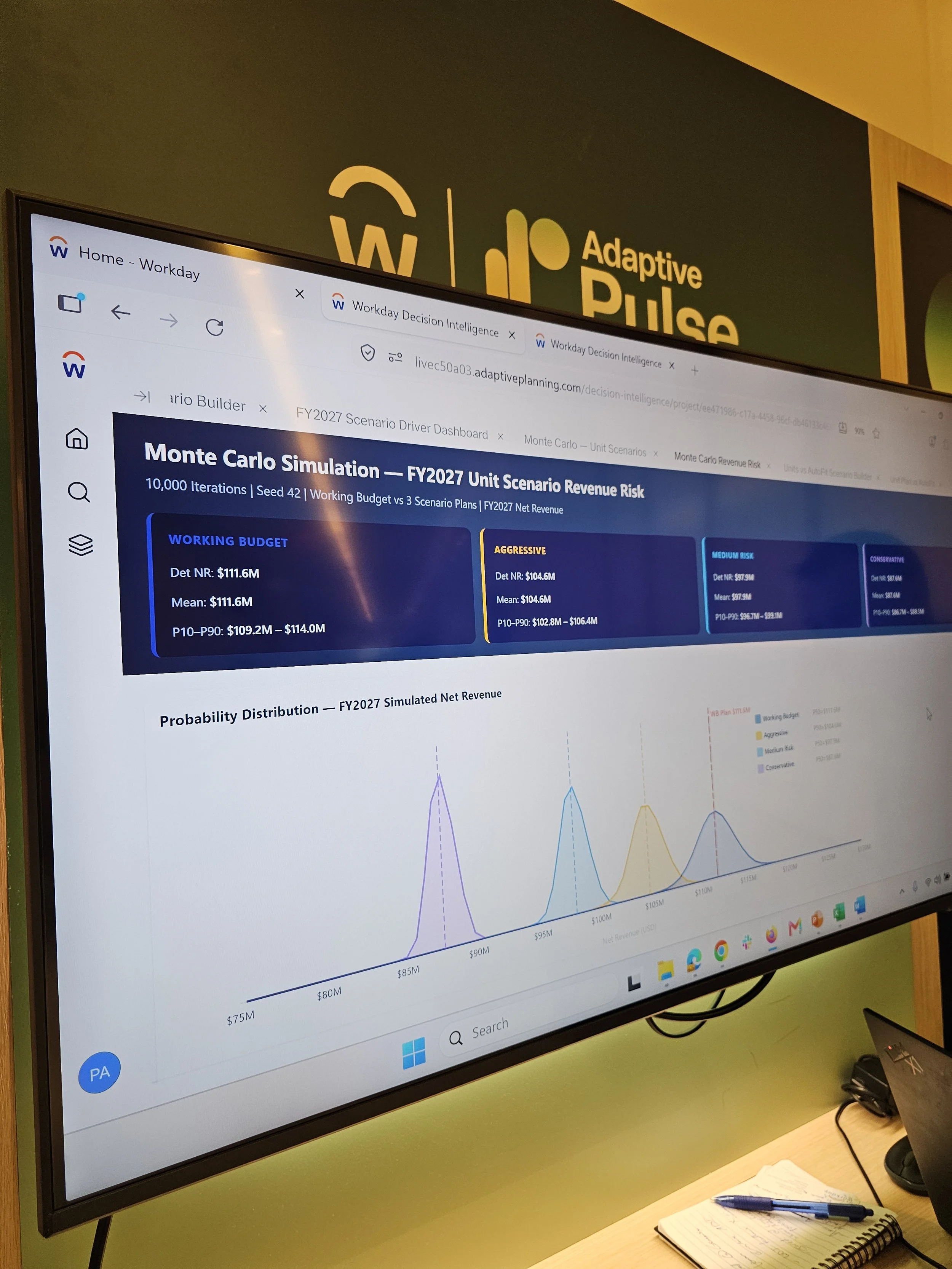
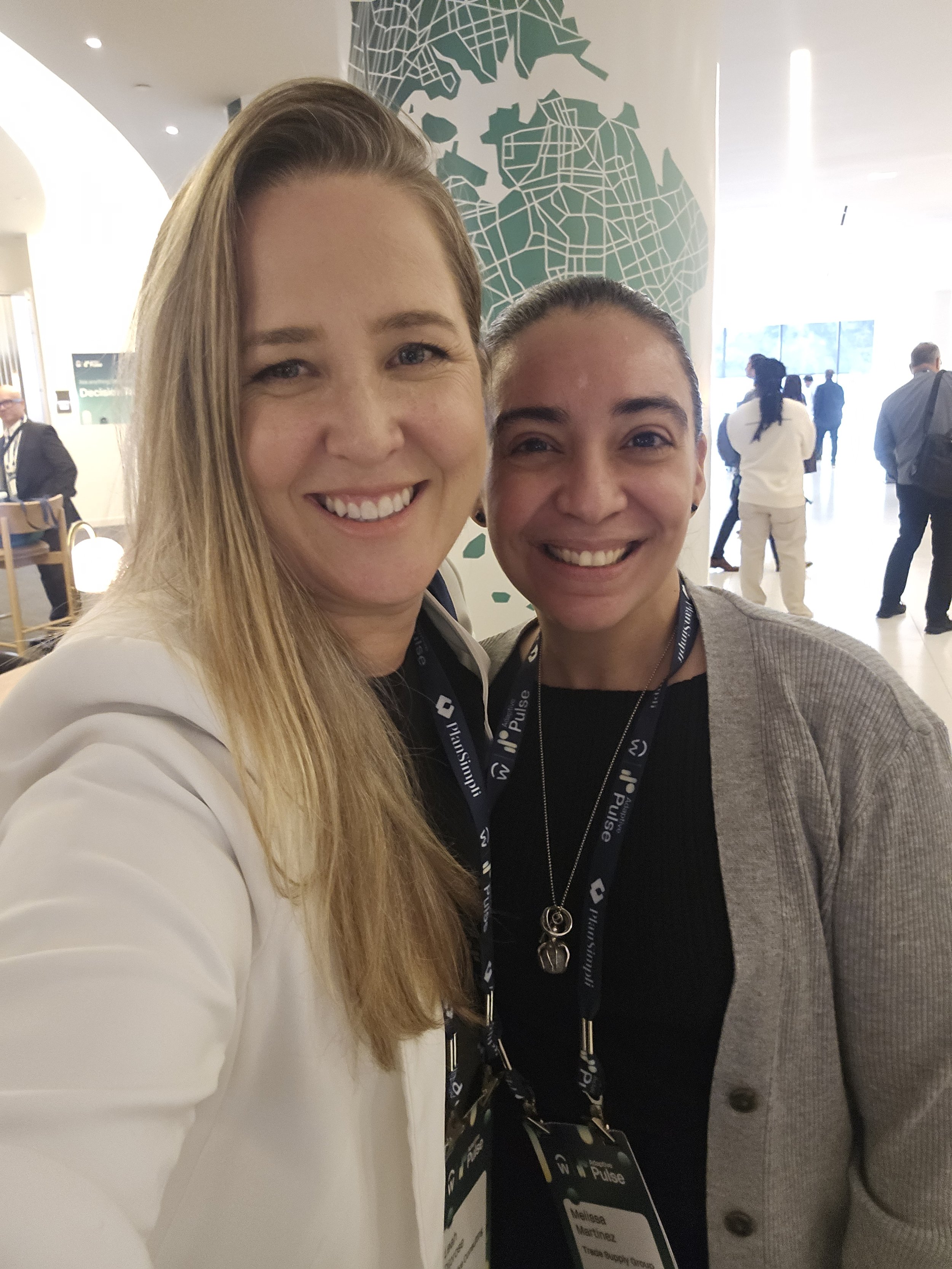
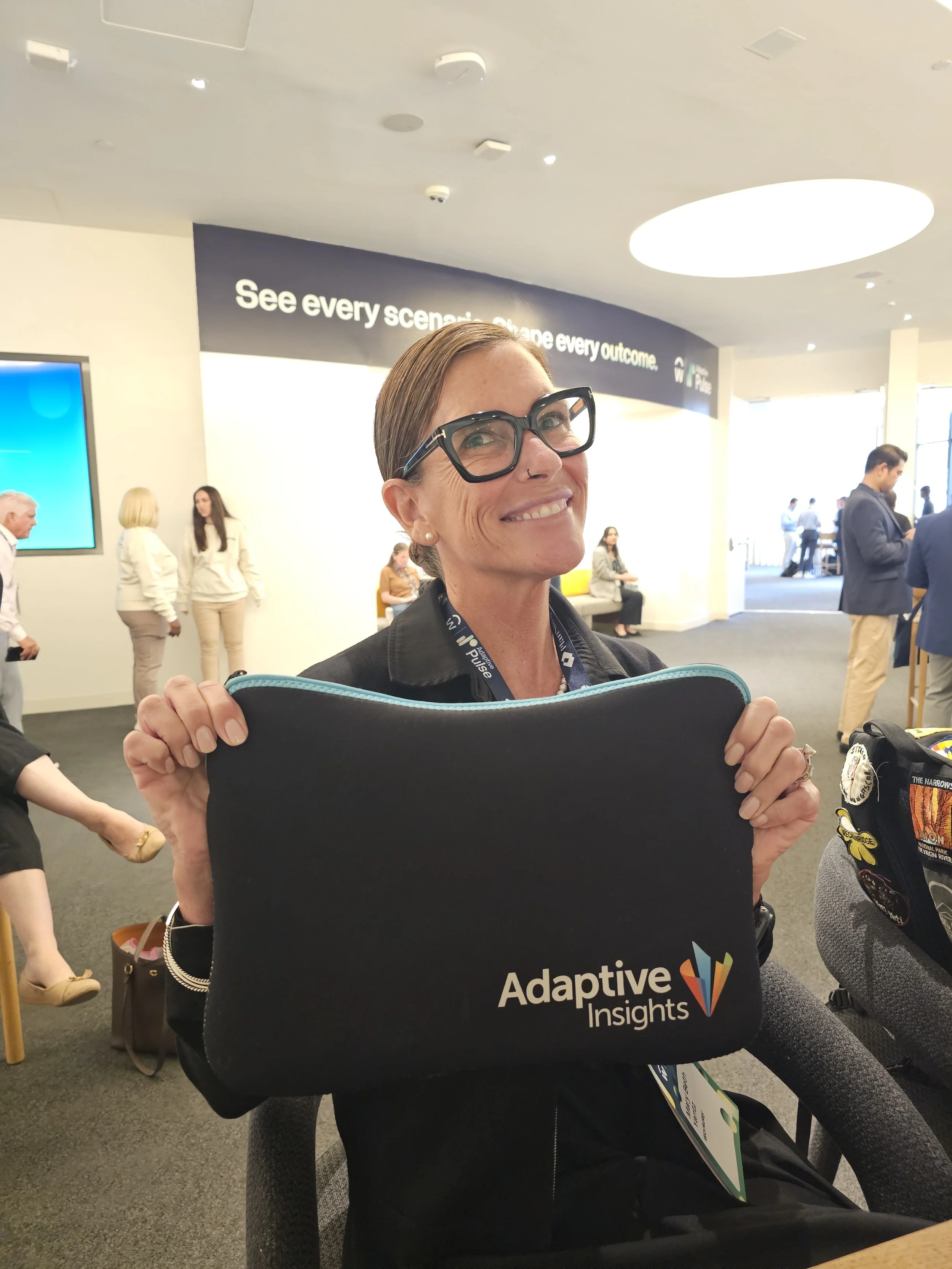
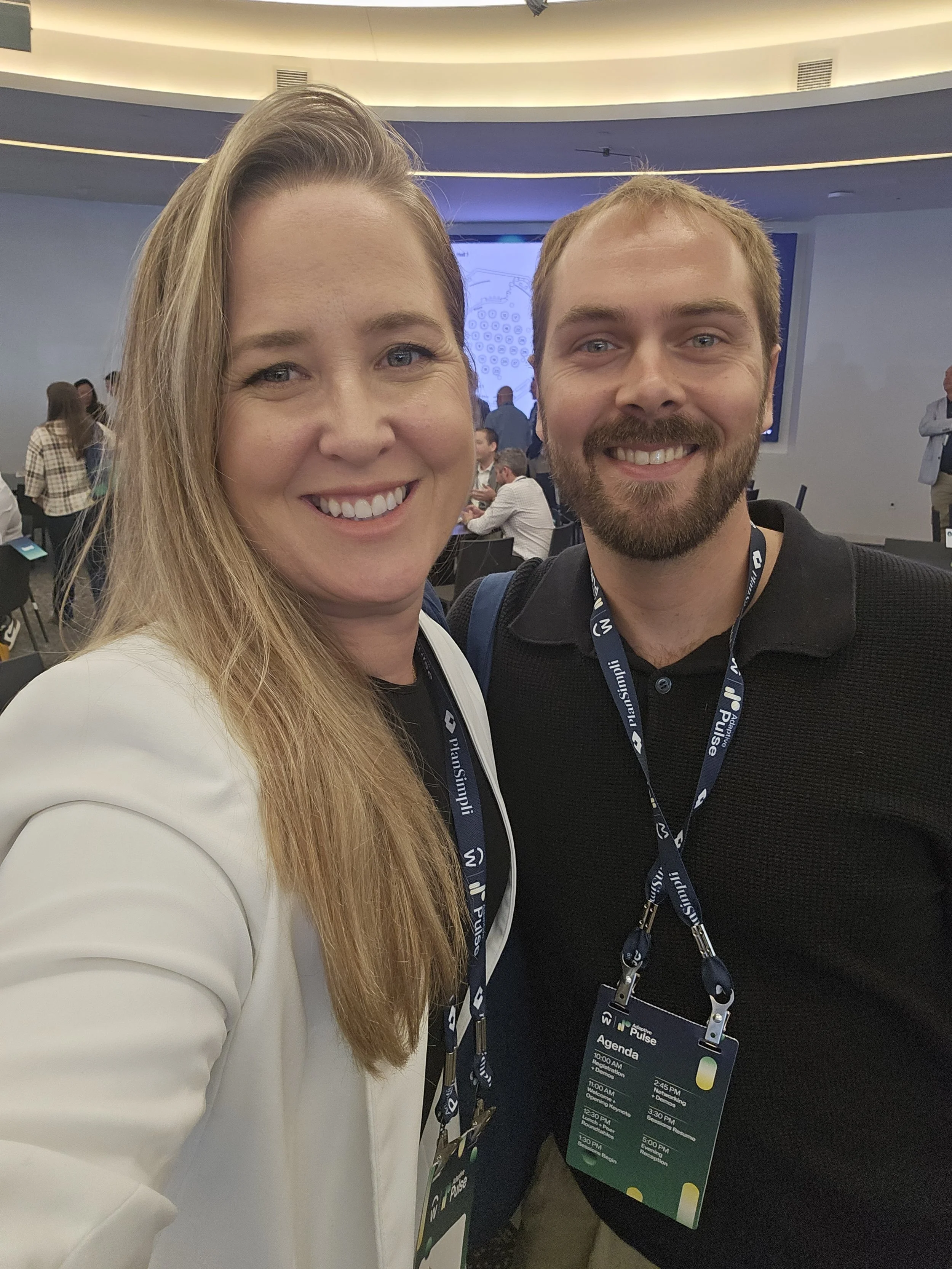
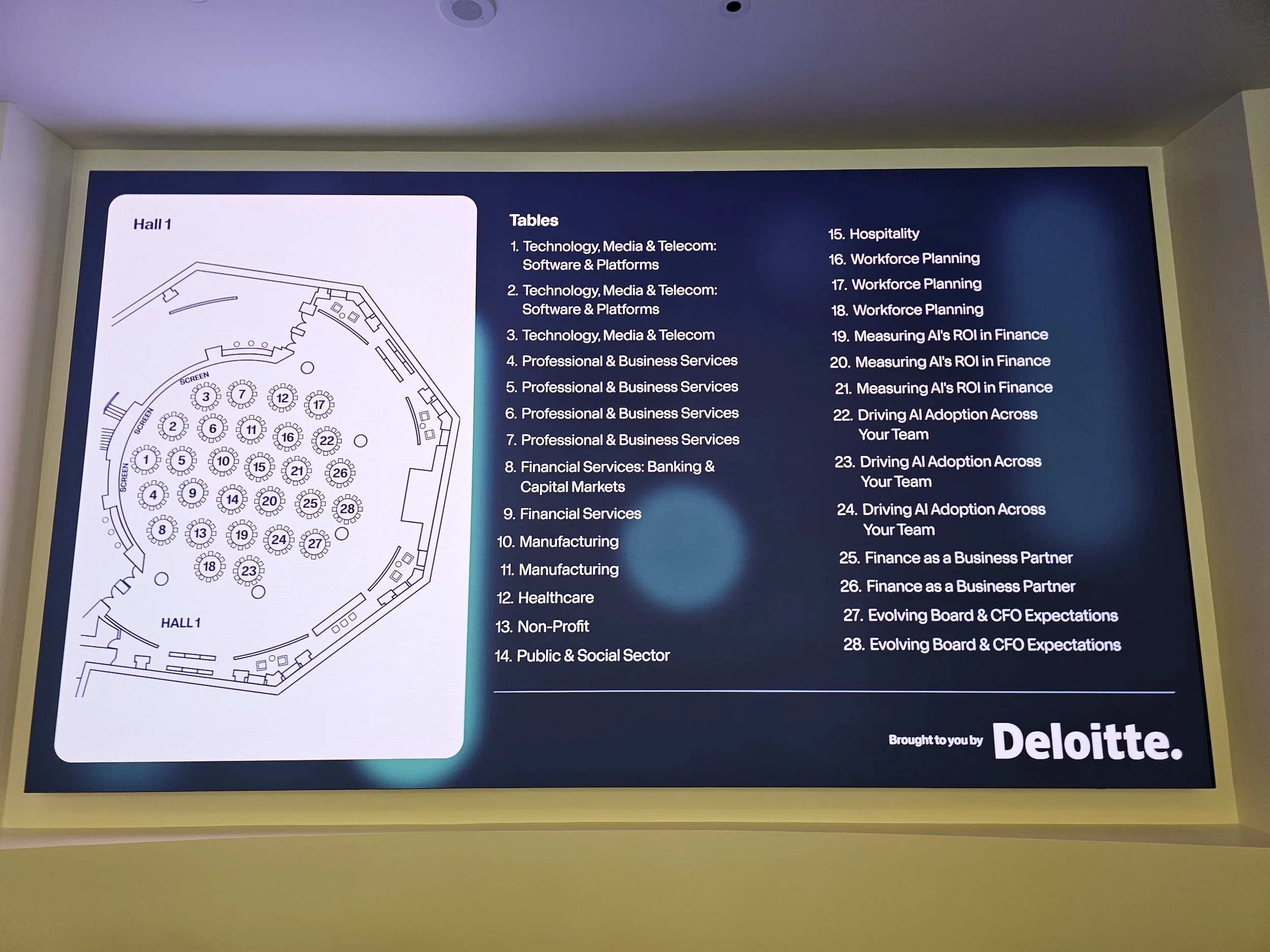
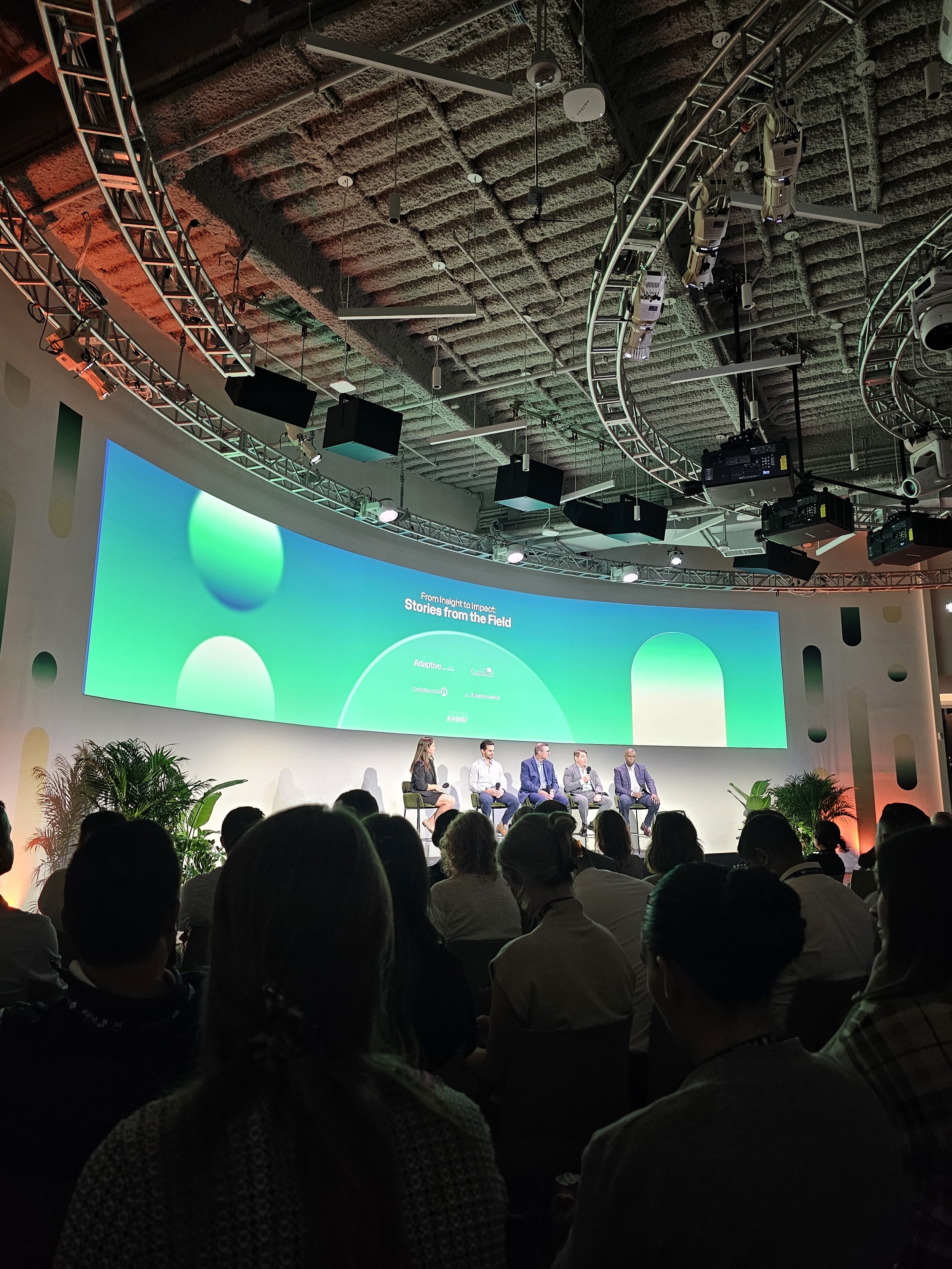
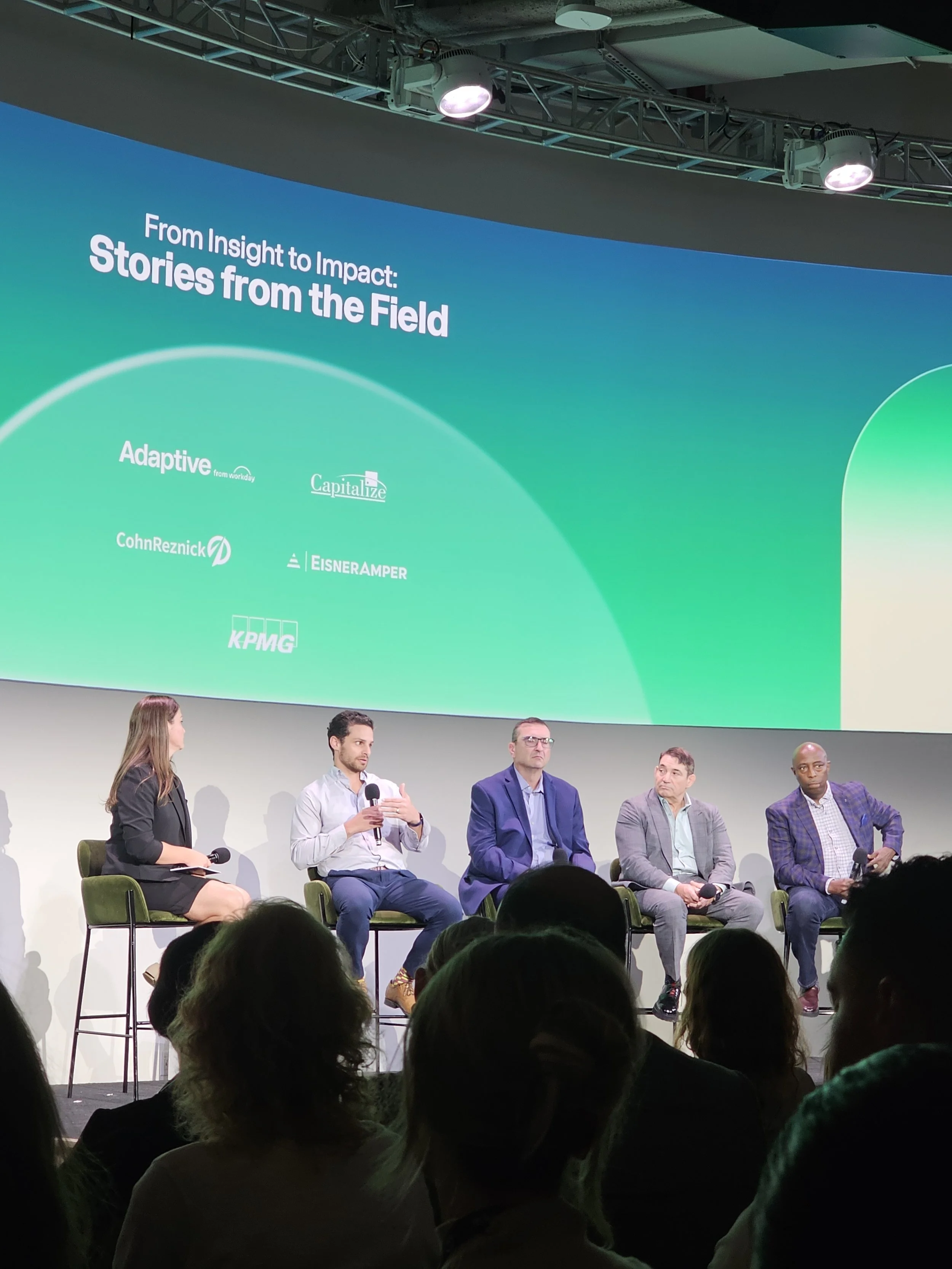

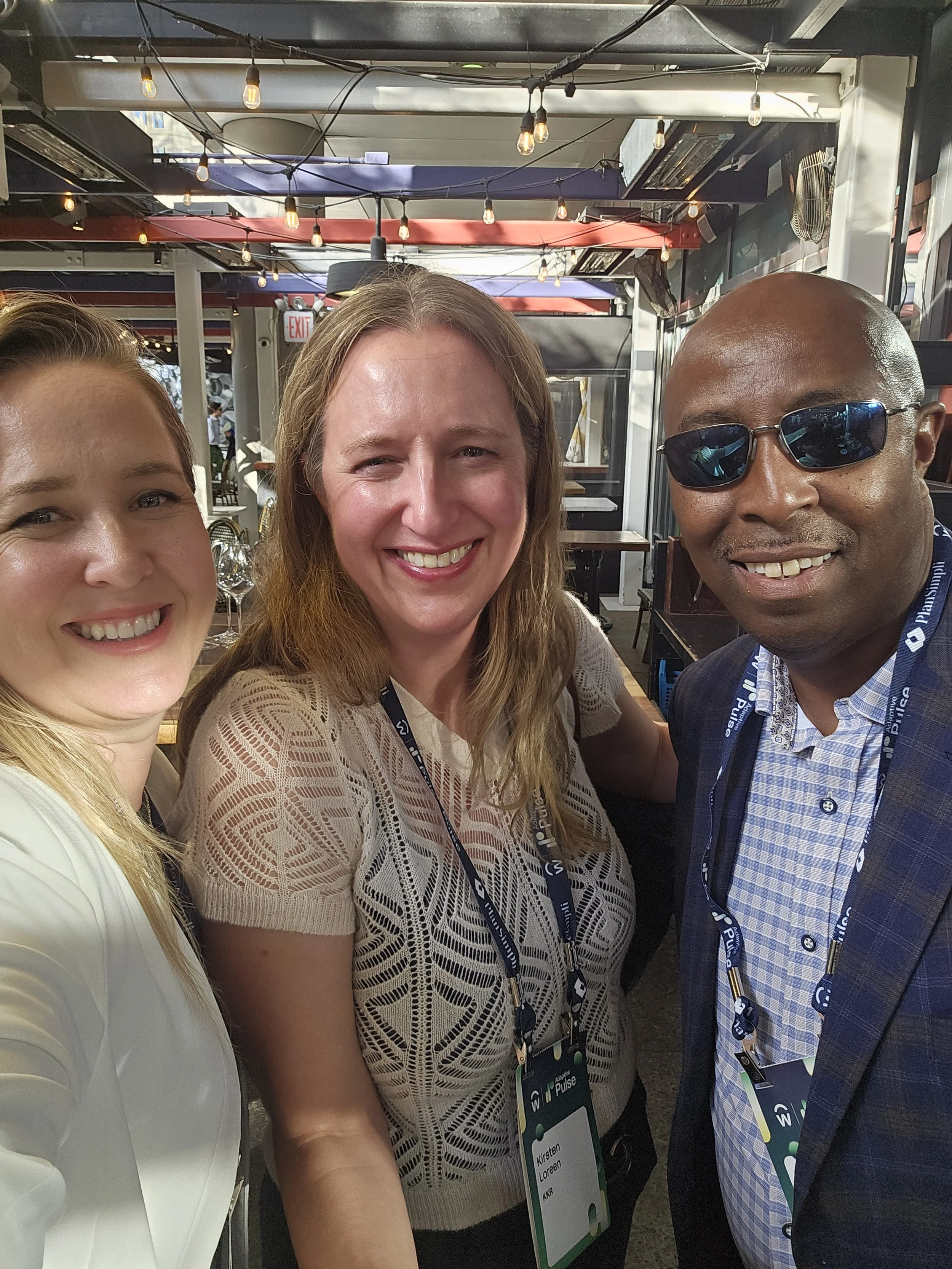

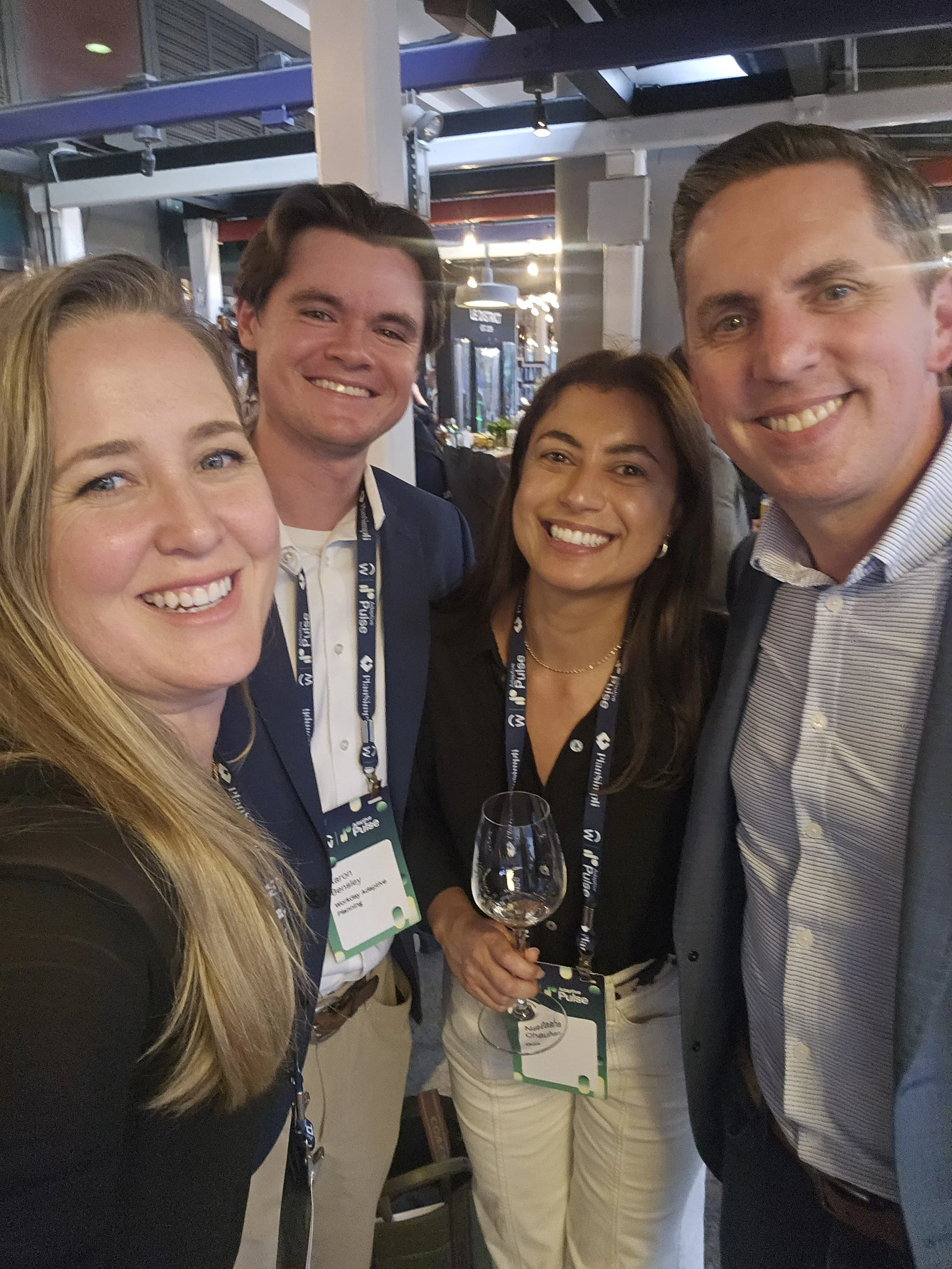
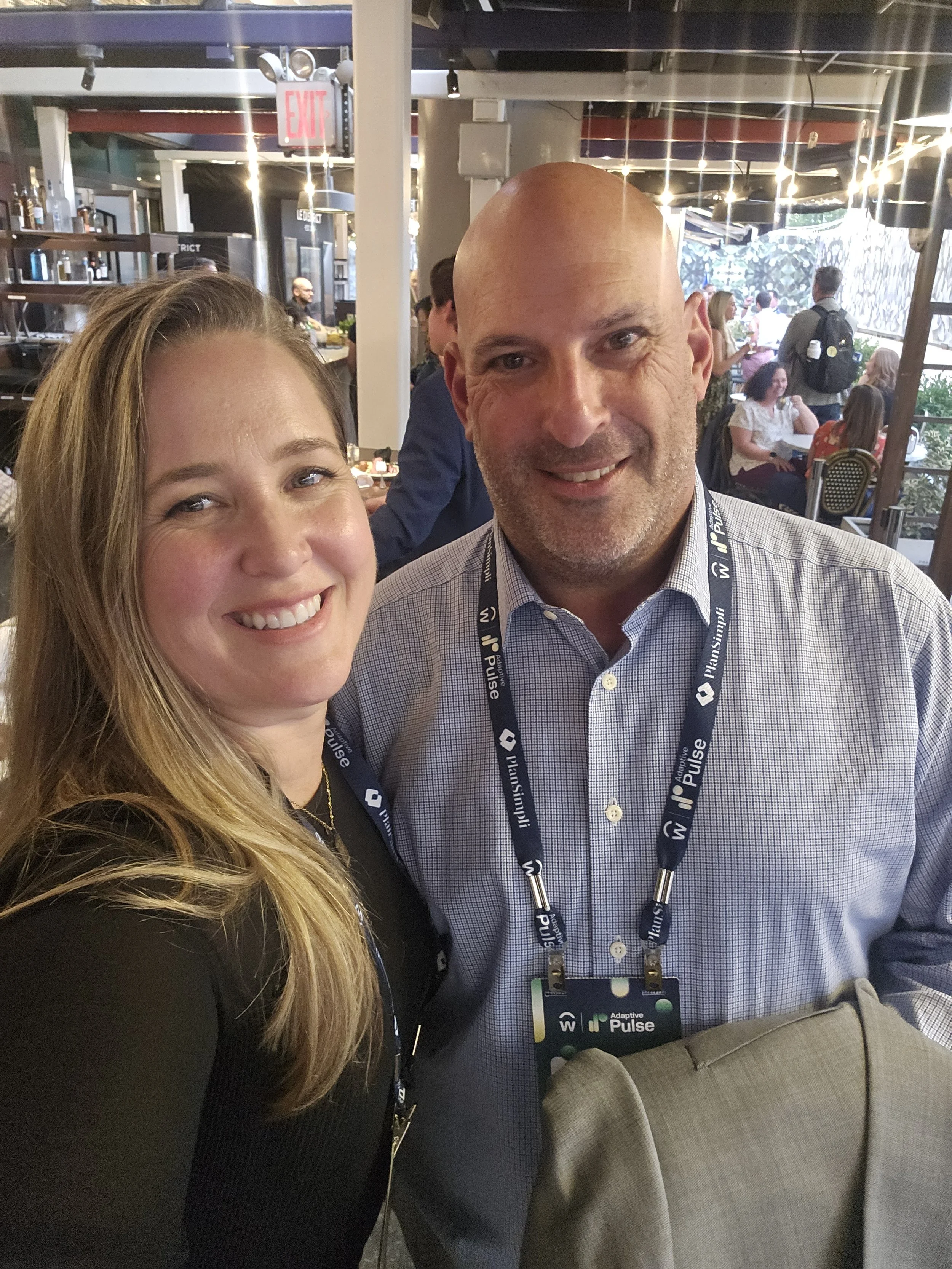
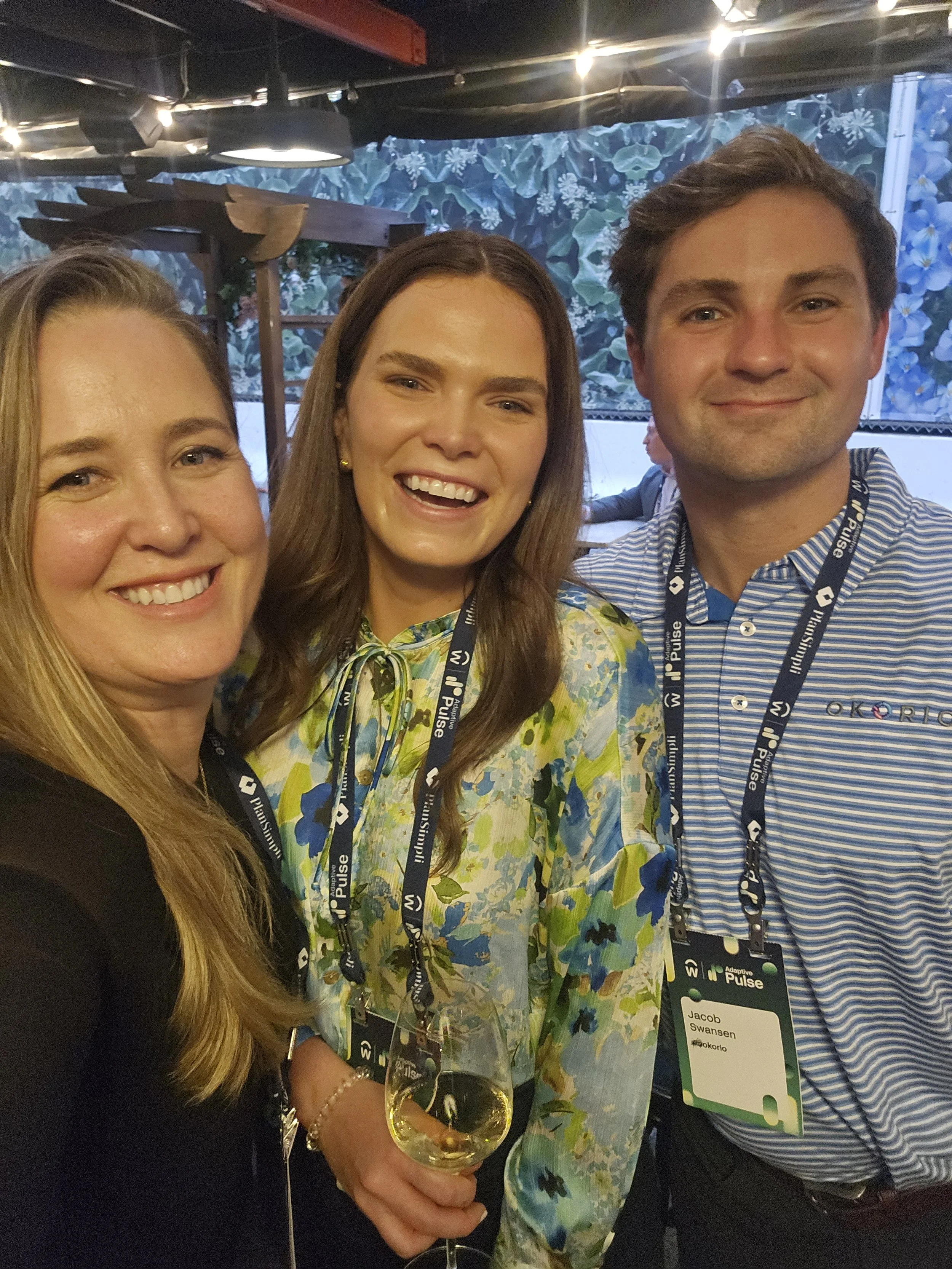
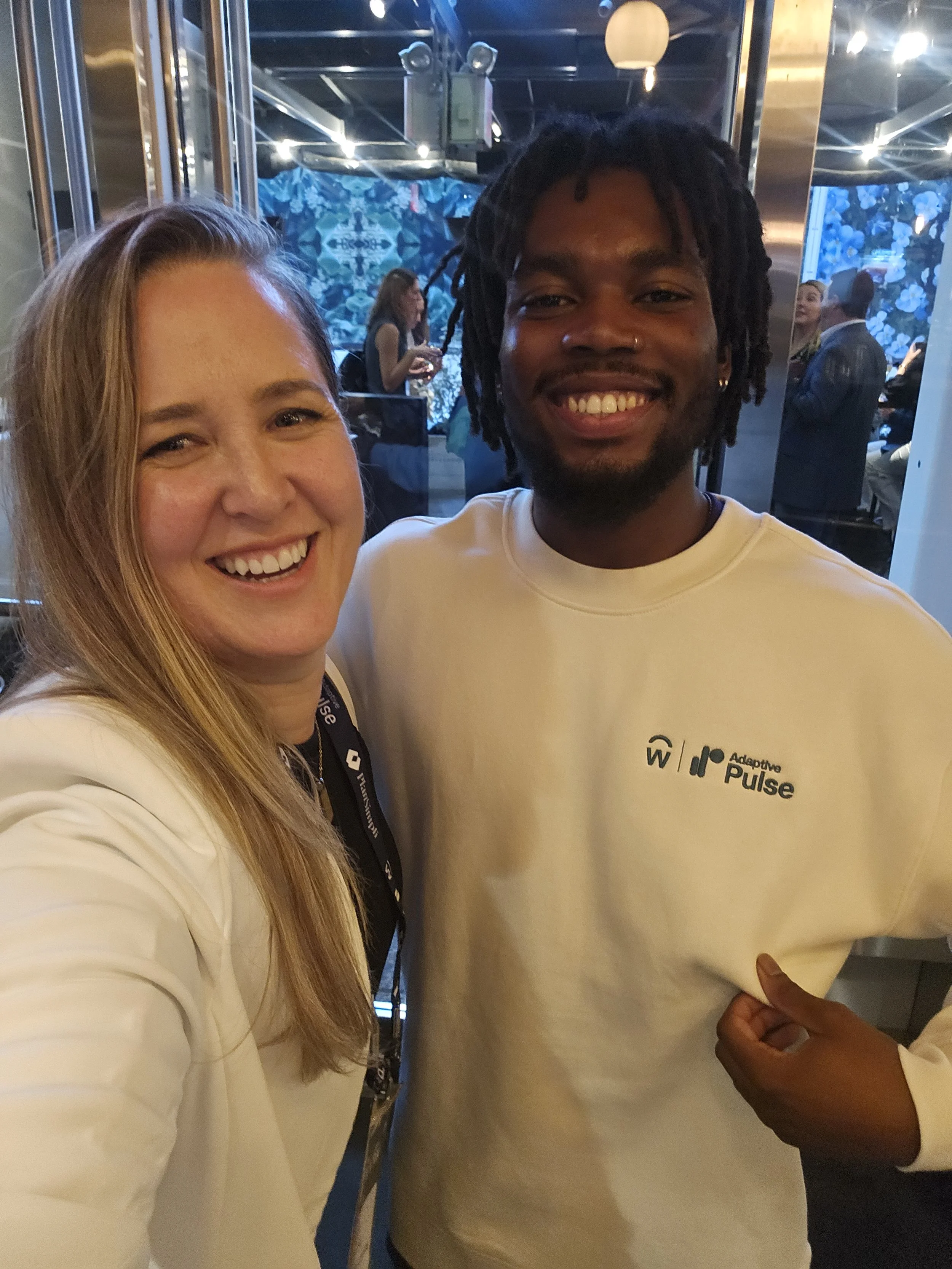
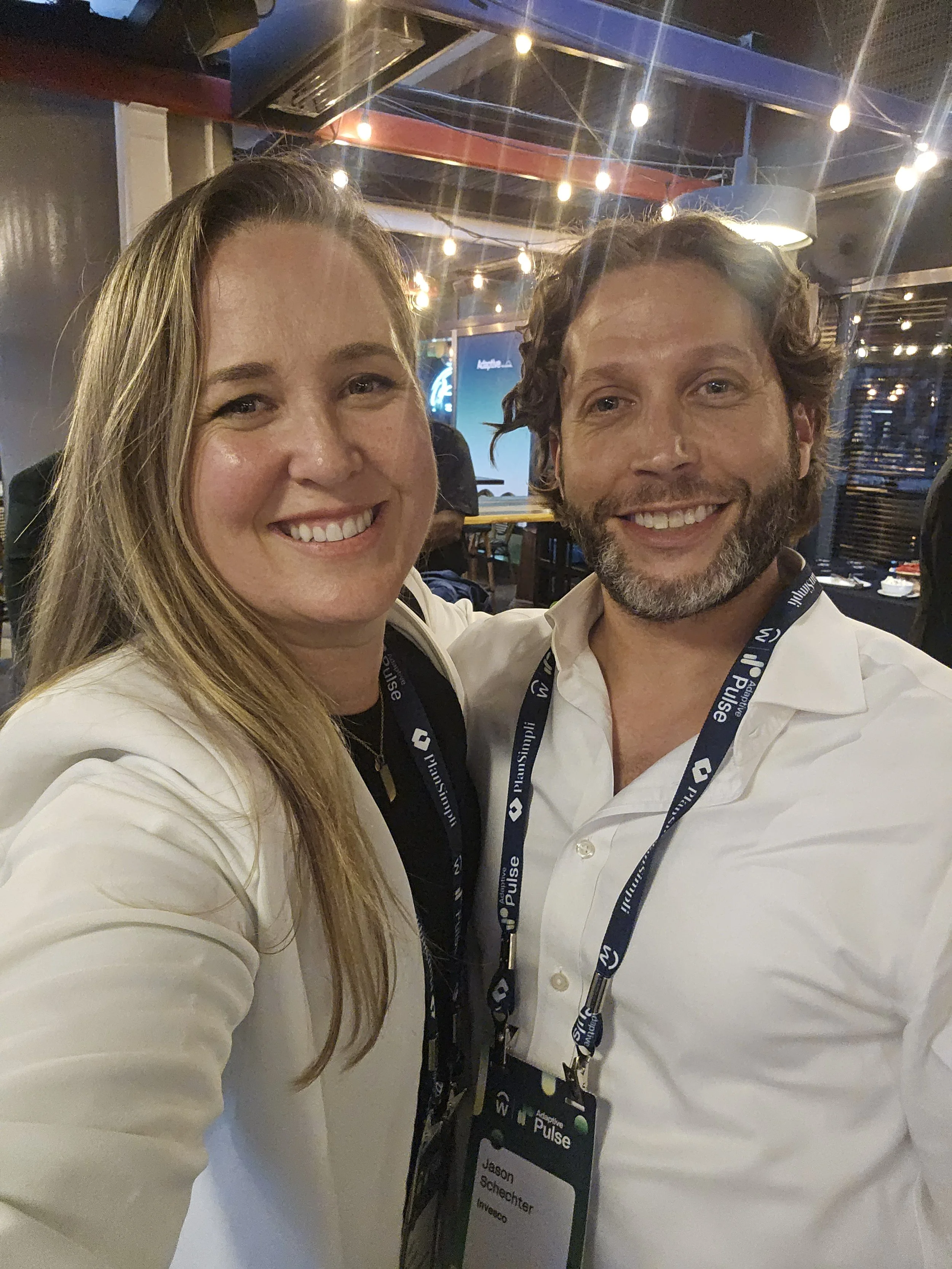
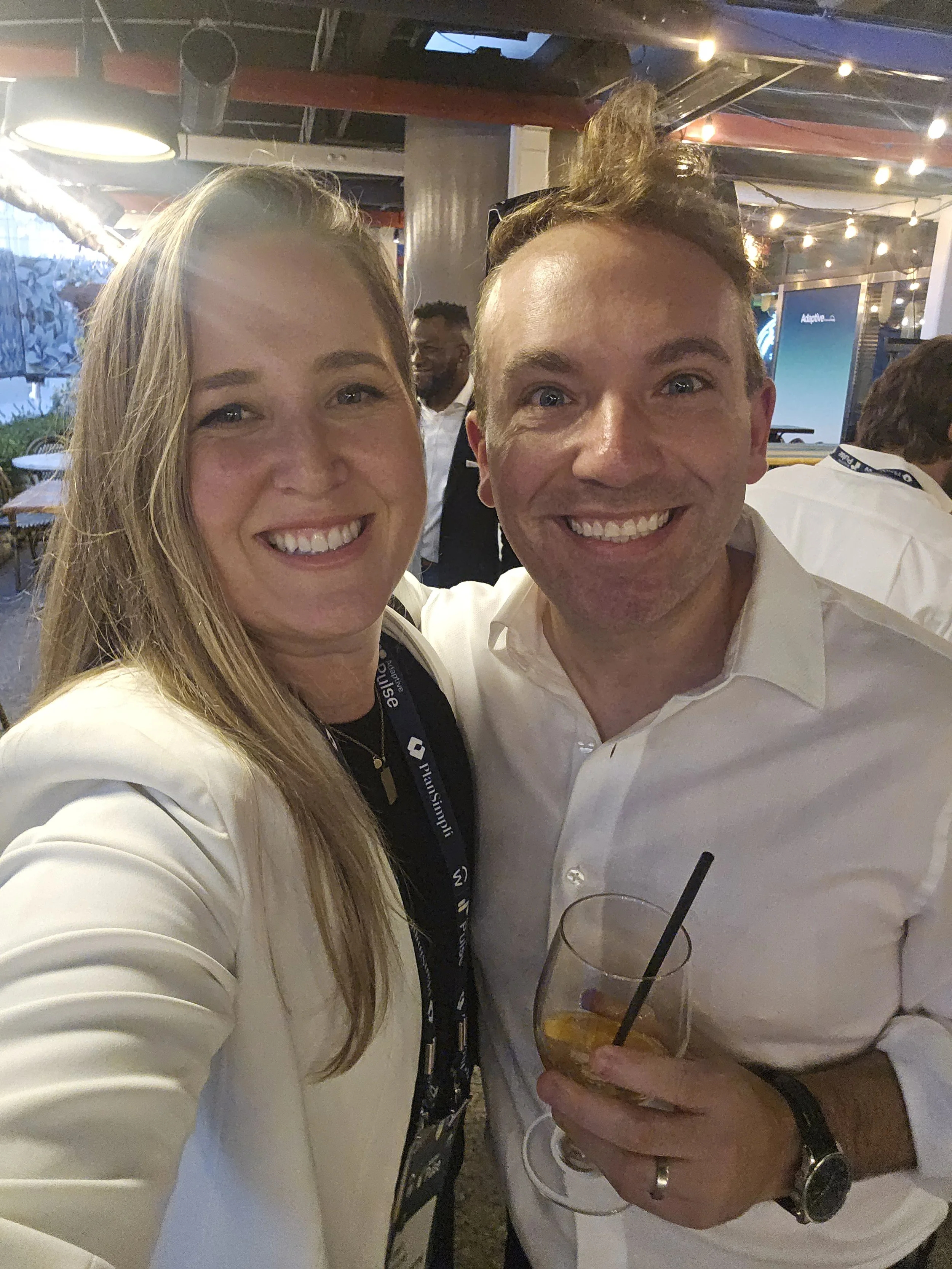
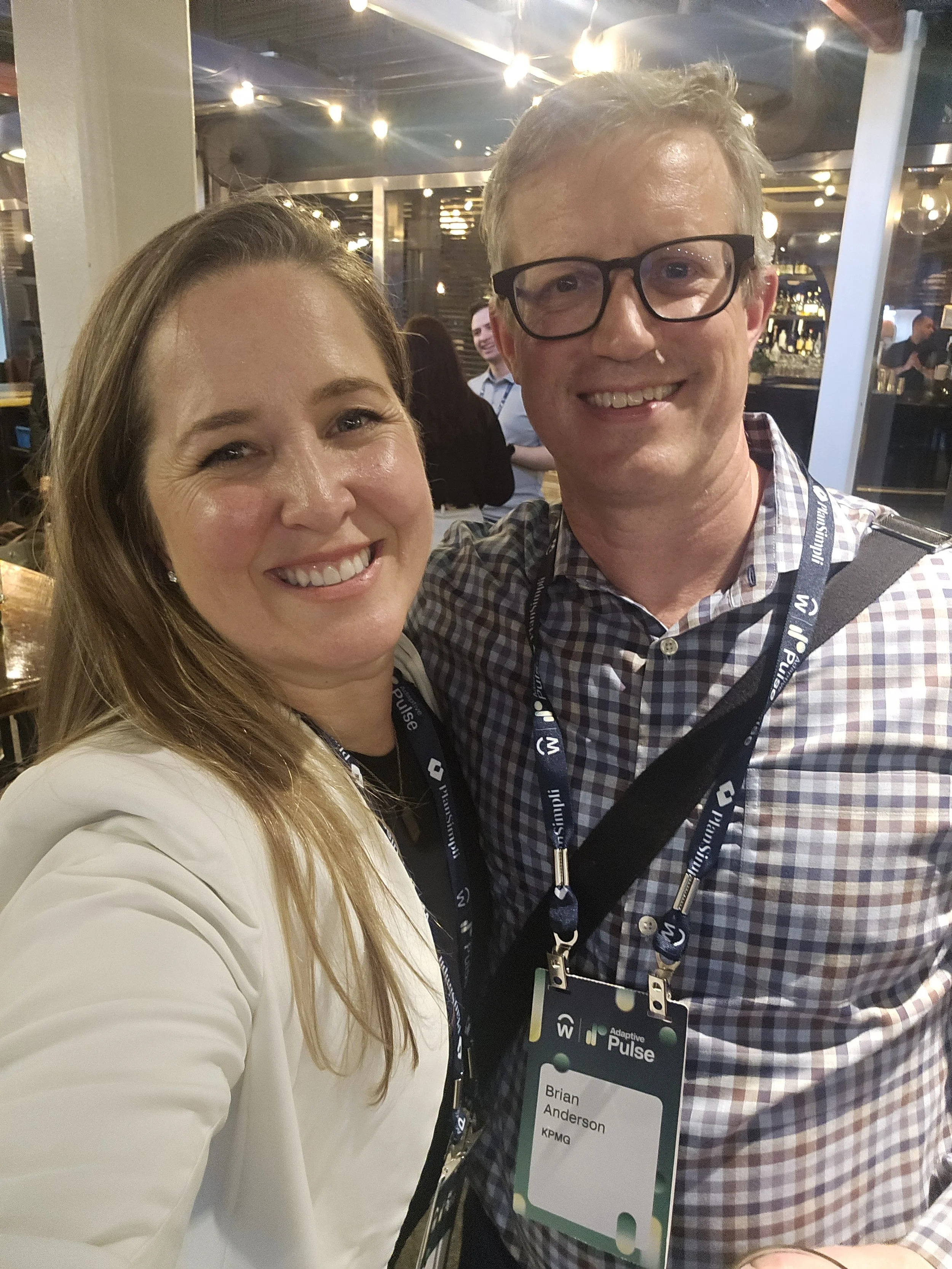
Adaptive Pulse is an annual event for customers of Adaptive and potential future customers, as well as partners in the eco-system - it is dedicated to Adaptive and runs in New York, London, and Melbourne. This event is in addition to the annual Workday Elevate which comes to Australia, at which many Adaptive teams attend the FP&A track, and also in addition to the annual Workday Rising held in the USA and EMEA. You can read our event recap from Elevate Sydney and Pulse Melbourne held in May 2026 here.
Explore more about Adaptive from Workday
Adaptive from Workday (Data Hive Consulting site)
Adaptive from Workday (Workday site)
Watch an Adaptive from Workday quick demo here (3 mins)
Read the Adaptive blog - New Area of Decision Intelligence
Read Forrester’s assessment of Total Economic Impact of Adaptive from Workday
FAQs
How quickly can Adaptive from Workday be deployed?
Adaptive is fast to deploy with rapid return on investment. Average initial deployment time can be a matter of weeks, even for some of the world’s largest companies. At Data Hive Consulting we have delivered foundational implementations in a matter of weeks so that our clients see initial ROI quickly with the highest value items, we continue to development the platform over time.
What size organisations and industries are the best fit for Adaptive?
Adaptive is designed to meet the unique planning requirements of organizations of all sizes, including small and medium-sized businesses (SMBs) and large enterprises. Trusted by customers across diverse industries and geographies, for over 20 years Adaptive has been and is the go-to choice for organisations seeking a comprehensive cloud-based planning and analysis solution, finance owned, with advanced capabilities.
What are the three key elements of enterprise performance management (EPM)?
First, EPM systems provide a centralized data repository for a comprehensive view of an organization’s past performance.
Second, they’re used to create enterprise-wide financial plans, budgets, and forecasts that align to organizational strategic goals.
Finally, EPM systems track key performance indicators and analyze performance against set targets to identify risks and opportunities.
They can be rolled out organisation wide to work with different departments and teams on planning and analysis
About Data Hive Consulting
Data Hive Consulting helps organisations transform financial reporting, budgeting, forecasting, consolidation and performance management through modern EPM solutions, including Adaptive from Workday and OneStream. We work with finance leaders across Australia and New Zealand to simplify processes, connect data, reduce spreadsheet dependency and improve decision-making.
Interested in what a platform-based, data-connected, governed driver-based planning model would look like for your business? Already have a platform which you would like reviewed, improved, or extended?
Get in touch to talk the art of the possible for your reporting, planning, and insight generation with EPM.
If you would like to get on the list for future events and updates, or want to speak about how Adaptive could work in your organisation, get in touch with our team.
Author: Leah Diprose - Commercial Director, Clients & Growth - Data Hive Consulting
